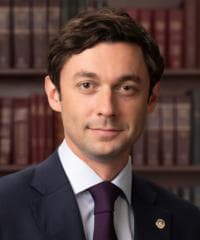
Bill Maher Confirms Mark Twain Prize After White House Denied the Award
Bill Maher confirmed the Mark Twain Prize live on HBO Max after Karoline Leavitt flatly denied it, with the Kennedy Center's June 28 ceremony now formally on the books.

Karoline Leavitt stood at the White House podium and said it plainly: Bill Maher would not be receiving the Mark Twain Prize for American Humor. Hours later, the Kennedy Center announced he would.
Maher confirmed the contradiction himself on Friday night's episode of "Real Time With Bill Maher" on HBO Max, telling viewers there had been "a lot of back and forth" before a compromise left everyone, in his telling, "happy." The Kennedy Center formally confirmed he will receive the 27th Mark Twain Prize at a ceremony on June 28, making him the first Twain Prize recipient chosen under President Donald Trump's leadership of the institution.
The dispute began when The Atlantic reported Maher had been selected for the award, which the Kennedy Center presents annually to artists whose social commentary recalls the legacy of 19th-century novelist Samuel Clemens. Leavitt responded from the briefing room podium: "This is fake news. Bill Maher will NOT be getting this award." White House communications director Steven Cheung amplified the denial, calling the reporting "literally FAKE NEWS." Neither offered an alternative name nor explained how the selection process had been conducted.
The Kennedy Center confirmed Maher's selection the same day, collapsing the White House's messaging publicly. On air Friday, Maher addressed the reversal with characteristic deflection, saying he "respected the move" and joking that after accepting the award he would "give it to" Trump. The joke landed differently depending on your politics, but its subtext was plain: Maher understood exactly how unusual the episode had become.
The June 28 ceremony carries weight beyond the prize itself. It will be the final Mark Twain Prize gala before the Kennedy Center closes for a two-year renovation starting July 4, making Maher's night the last of its kind for years. The program will stream exclusively on Netflix. The event will take place inside a hall that, like the center itself, now bears Trump's name: the institution was rechristened "The Donald J. Trump and John F. Kennedy Memorial Center for the Performing Arts" last December, a renaming that prompted multiple artists to cancel engagements there in subsequent months.
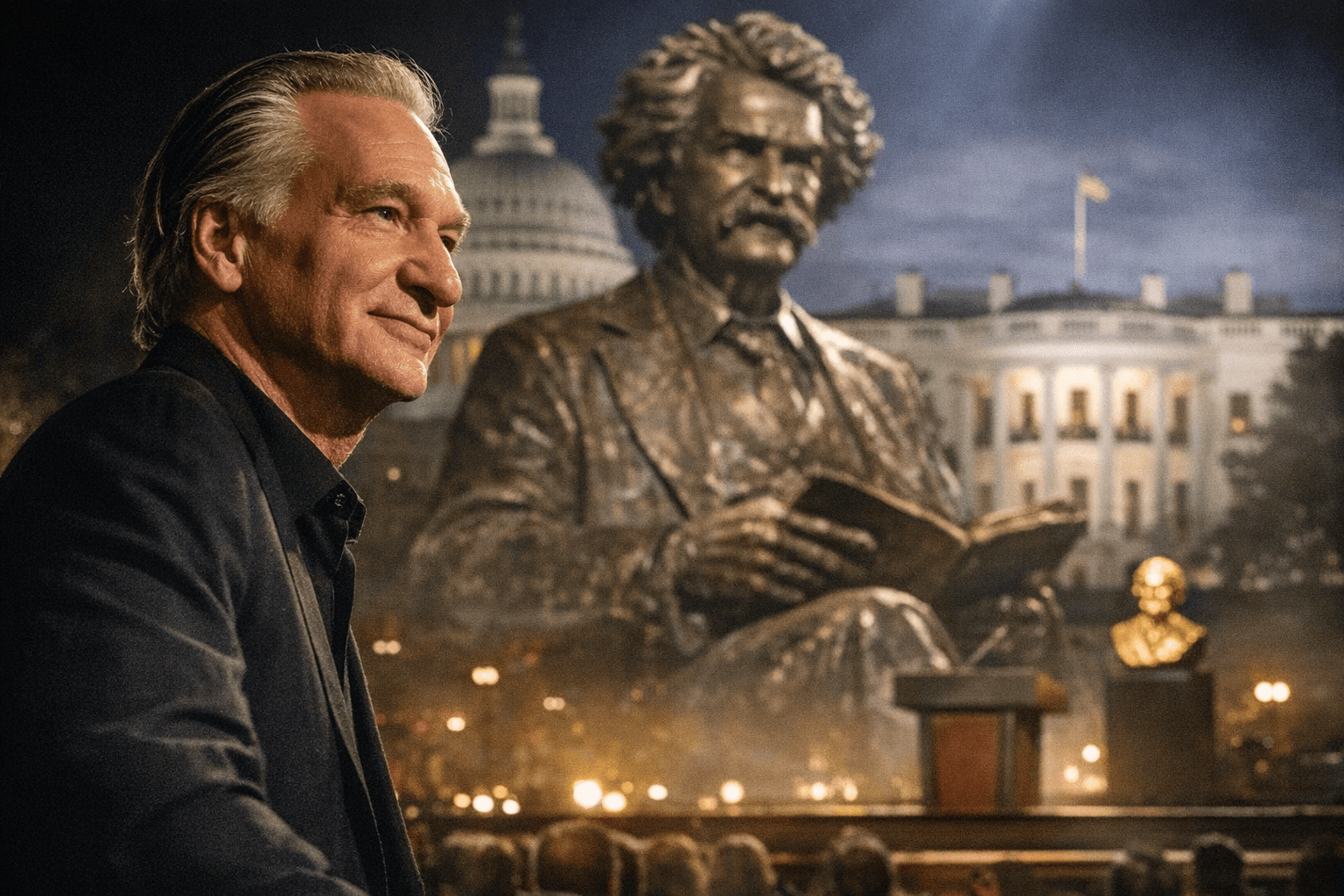
That context matters for understanding the stakes of the public dispute. When the White House issues categorical denials about a prize that a federally funded arts institution then confirms hours later, the question of who controls cultural recognition stops being ceremonial. The Kennedy Center operates under federal authority, and Trump has moved aggressively to reshape its leadership and programming since taking office. The public back-and-forth over Maher's award exposed the fault lines of that arrangement in unusually visible terms.
Maher has long occupied a complicated position in this landscape. A persistent critic of Trump's policies on "Real Time," he has also maintained relationships across the political spectrum and met with Trump personally in recent years. That duality may explain why the prize was considered at all and why it briefly became a flashpoint: in a sufficiently polarized environment, a comedy honor becomes a statement.
What changed in this case is that the contradiction became a matter of public record. Named officials were on record within hours of each other saying opposite things, and a television host turned the whole sequence into a monologue. Whether the June 28 ceremony proceeds with the same drama or quiet ceremony, the administration's brief attempt to override a cultural institution's own announcement will remain part of the Twain Prize's history regardless.
Know something we missed? Have a correction or additional information?
Submit a Tip