House lawmakers propose annual EV fee to fund highways
A $130 annual EV fee would outstrip what many gasoline drivers pay in federal fuel taxes. House lawmakers say it is a road-funding reset.

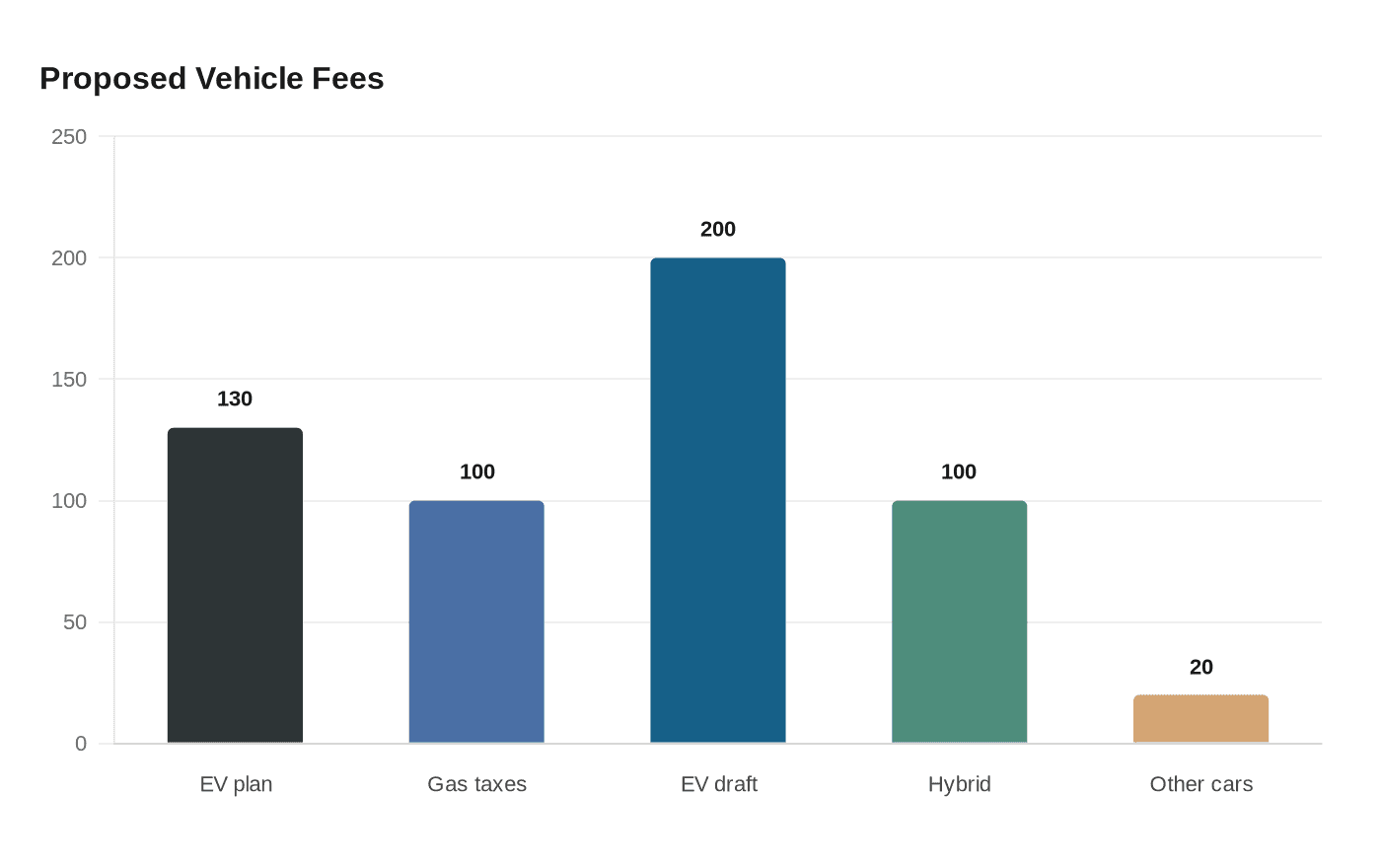
Electric drivers would pay $130 a year under a bipartisan House plan, more than the roughly $100 many gasoline drivers send to Washington in federal fuel taxes. That is the fairness question at the center of the debate: a flat fee would overcharge low-mileage and fuel-efficient drivers, while high-mileage gasoline users would still pay more through the pump.
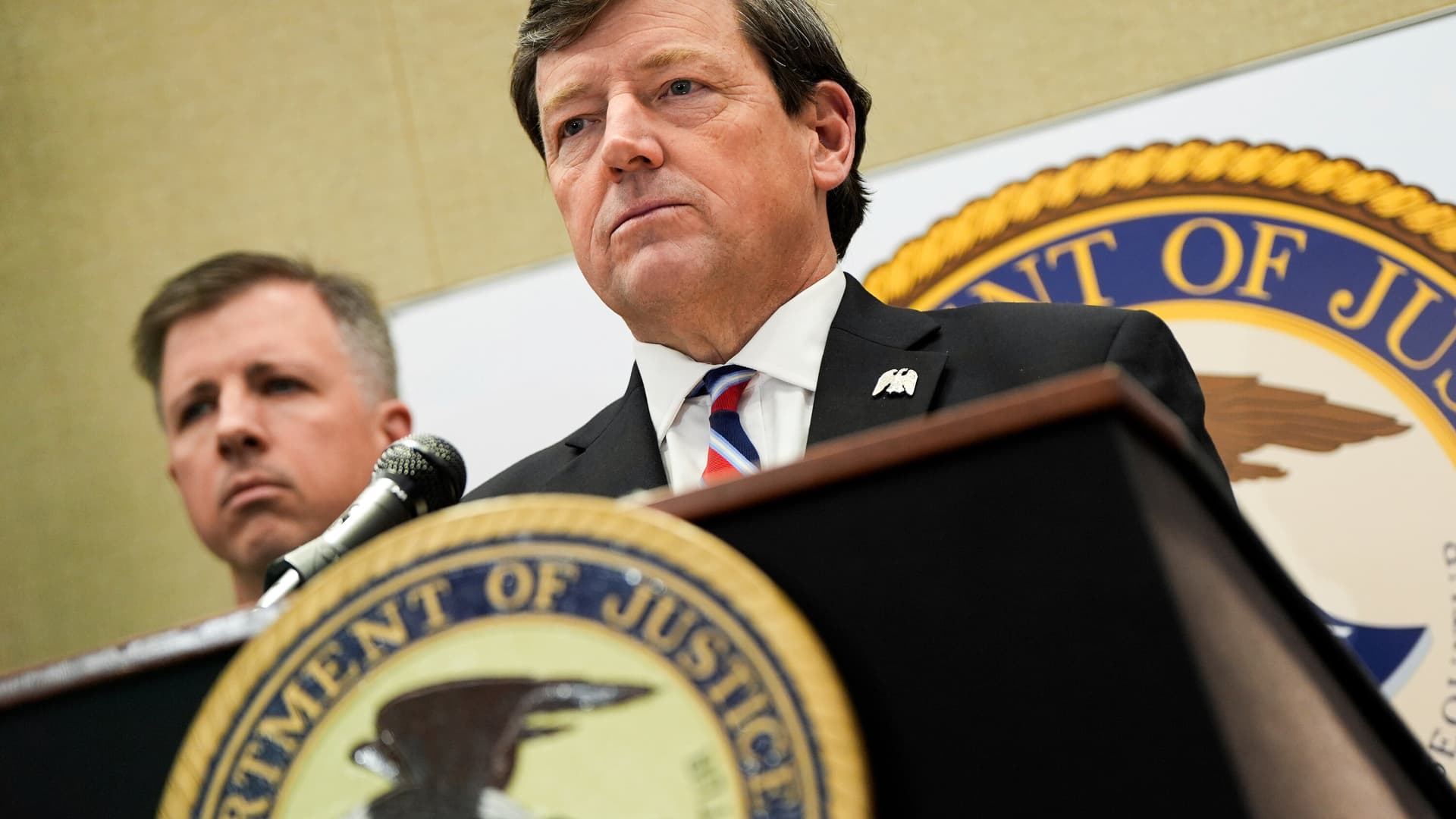
House Transportation and Infrastructure Committee leaders released the text of the BUILD America 250 Act on May 17, and Chairman Sam Graves and ranking member Rick Larsen framed it as a five-year surface transportation bill with the largest-ever investment in bridges. Graves said the measure would strengthen the Highway Trust Fund and create its first new revenue stream in more than three decades. Earlier committee materials had gone further, outlining a $200 annual fee on EVs, a $100 fee on hybrids and a $20 fee on most other passenger vehicles.
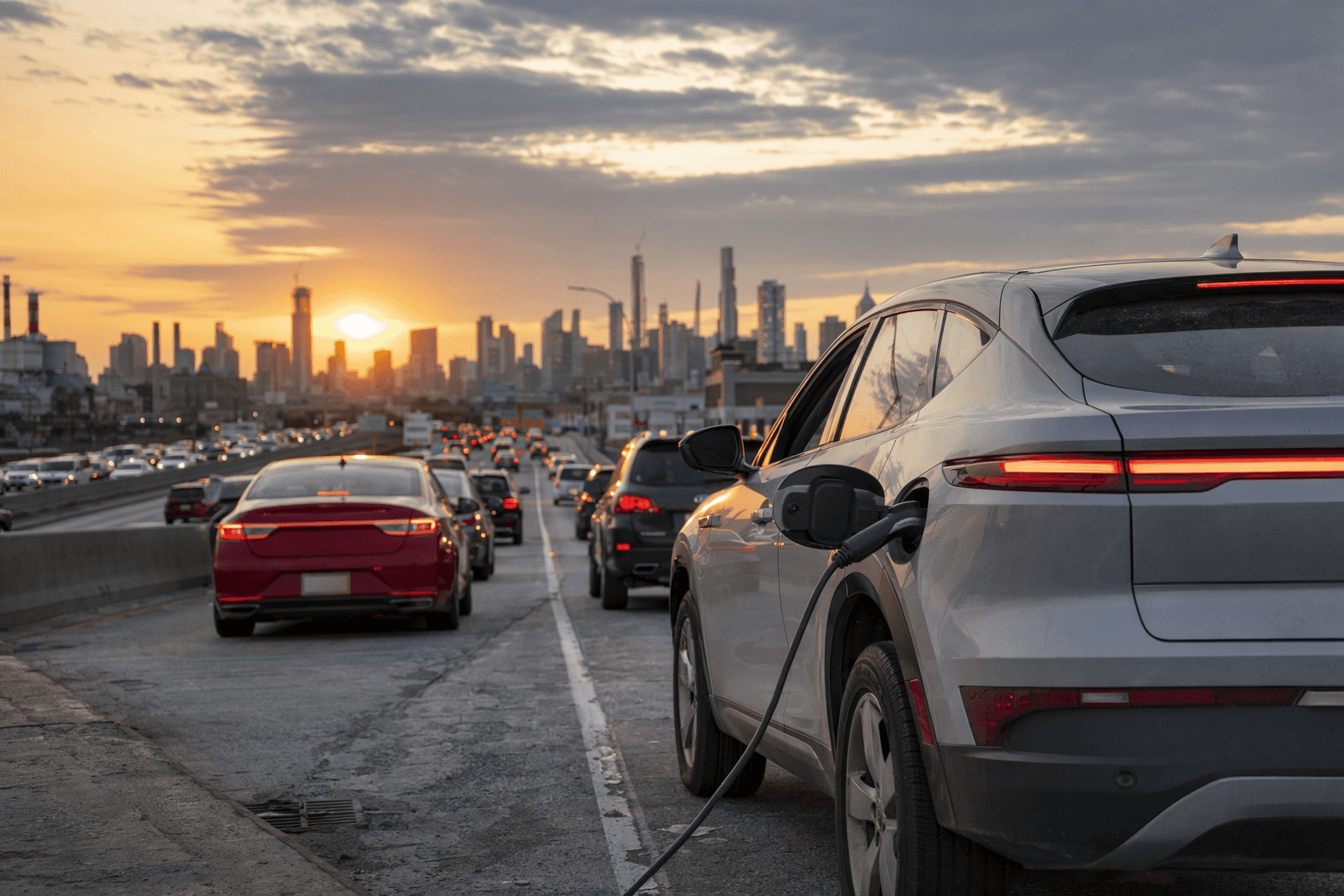
The timing is tight. The current surface transportation authorization expires Sept. 30, 2026, and Congress is trying to avoid another scramble to keep highways funded. The Congressional Research Service says highway-account spending has exceeded revenue every year since fiscal 2001, while about 85 percent of annual highway-account revenue still comes from fuel taxes that have not been raised since 1993. Congress has repeatedly filled the gap with general-fund transfers, including $51.9 billion in 2015 and $90 billion in 2021.

The Congressional Budget Office’s February 2026 baseline shows the highway account shrinking to a $1.2 billion end-of-year balance in 2028 before turning negative in the projection period. The transit account also moves into a negative cumulative shortfall. Against that backdrop, the House committee is betting that user fees are easier to defend than another bailout from general revenues.
The politics are broader than a standard partisan fight. The committee said more than 130 stakeholder organizations had backed the user-fee approach. The Owner-Operator Independent Drivers Association, which represents 150,000 small-business truckers and professional drivers, endorsed an annual fee on electric and hybrid vehicles, arguing that EVs should help maintain the roads they use. The U.S. Chamber of Commerce also backed consideration of new user fees for EVs, hybrids and all passenger vehicles.
State governments have already moved in that direction. Nearly 40 states now charge special EV registration fees, a sign that the federal debate is catching up to a shift already under way as electric and hybrid vehicles take a larger share of the fleet. For House lawmakers, the unresolved question is whether Washington can modernize road funding without putting the brakes on electric adoption.
Know something we missed? Have a correction or additional information?
Submit a Tip