Supreme Court leaves Medicare drug-price negotiation program intact
The Supreme Court let Medicare’s drug-negotiation program stand, clearing the way for lower prices on 10 drugs and a wider second wave of negotiations.

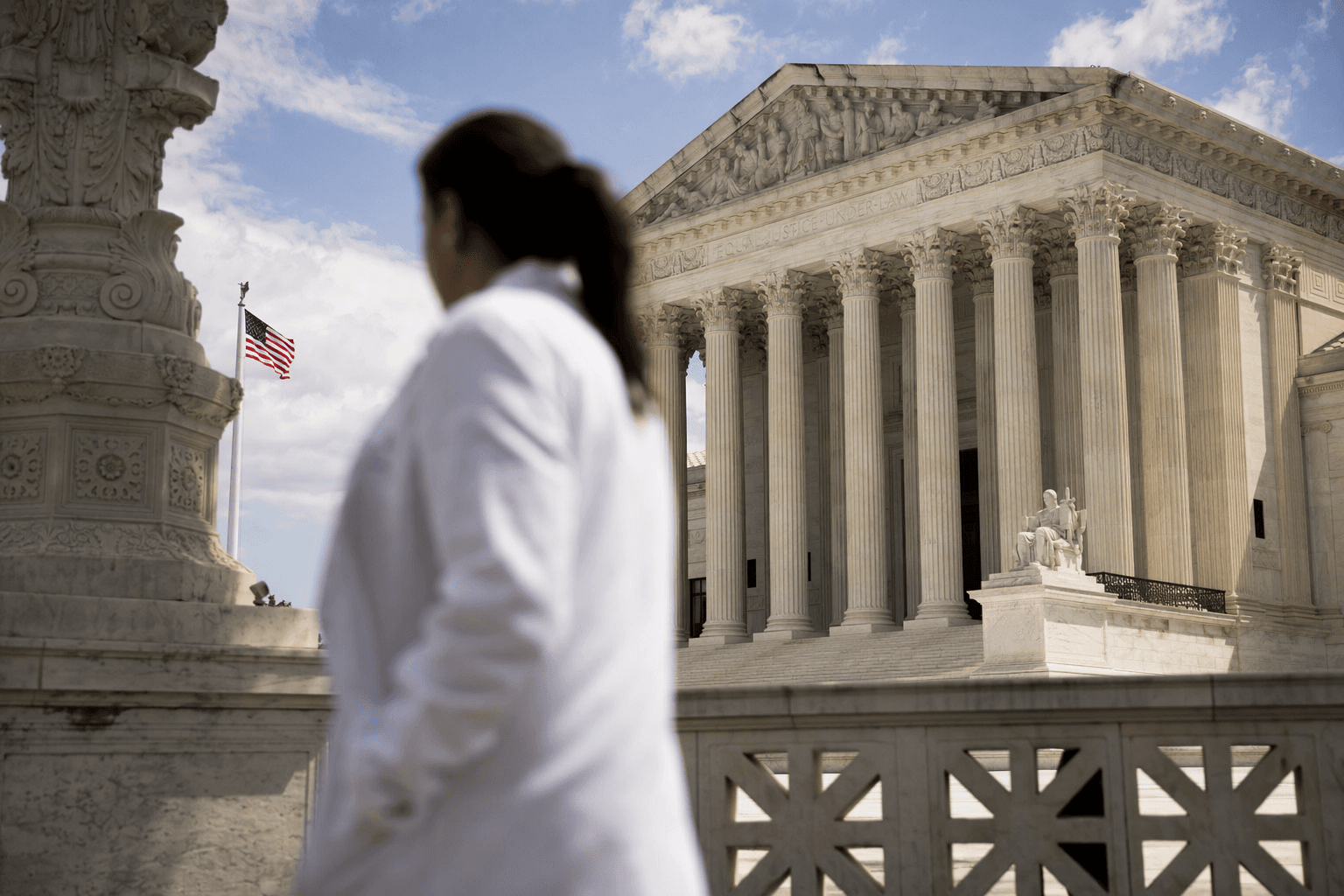
The Supreme Court refused to hear the pharmaceutical industry’s latest challenge to Medicare’s drug-price negotiation program, keeping intact a federal policy that has already delivered its first lower prices for 10 high-cost medicines and is now moving into the next round.
The justices turned away appeals from Novo Nordisk, AstraZeneca, Janssen Pharmaceuticals, Bristol Myers Squibb, Novartis and Boehringer Ingelheim, leaving lower-court rulings in place that upheld the law created under former President Joe Biden’s Inflation Reduction Act. For older Americans and other Medicare beneficiaries, the decision means the negotiation program stays on track instead of facing another round of uncertainty in the courts.
The first negotiated prices for 10 Medicare Part D drugs took effect January 1, 2026. Those medicines were Eliquis, Jardiance, Xarelto, Januvia, Farxiga, Entresto, Enbrel, Imbruvica, Stelara and NovoLog/Fiasp, all selected by the Centers for Medicare & Medicaid Services on August 29, 2023. The Department of Health and Human Services said the negotiated prices were expected to cut list prices by 38% to 79%, while the White House said Medicare beneficiaries would save about $1.5 billion in out-of-pocket costs in 2026 and taxpayers would save about $6 billion in prescription-drug costs that year.
The stakes are especially large because Medicare covers more than 67 million Americans, including about 54 million Part D enrollees. CMS-related materials cited by the National Community Pharmacists Association showed gross Part D spending for the 10 selected drugs rising from about $20 billion in 2018 to about $46 billion in 2022, a reminder of how quickly some brand-name medicines have come to dominate the program’s costs.
The law gives drugmakers a stark choice: accept a maximum price for certain high-cost medicines or pull all of their products out of Medicare and Medicaid. If companies fail to reach agreement, steep excise taxes can follow. That pressure has made the negotiation program one of the most consequential federal efforts in years to rein in prescription-drug prices, and the court’s refusal to intervene now strengthens regulators’ hand as the pricing regime expands.
The next phase is already underway. CMS said on March 13, 2026, that manufacturers of all 15 drugs selected for the third negotiation cycle had chosen to participate, showing that the program is moving forward under the same framework even as the industry loses in court. With another legal route closed, drugmakers are left to fight in Washington through lobbying, political pressure and pricing strategy, rather than through the Supreme Court.
Know something we missed? Have a correction or additional information?
Submit a Tip