Bill would boost protections for pregnant women in local jails
At least 54 pregnant women or their families alleged severe neglect in county jails, pushing a new bill to track pregnancies and tighten safeguards.
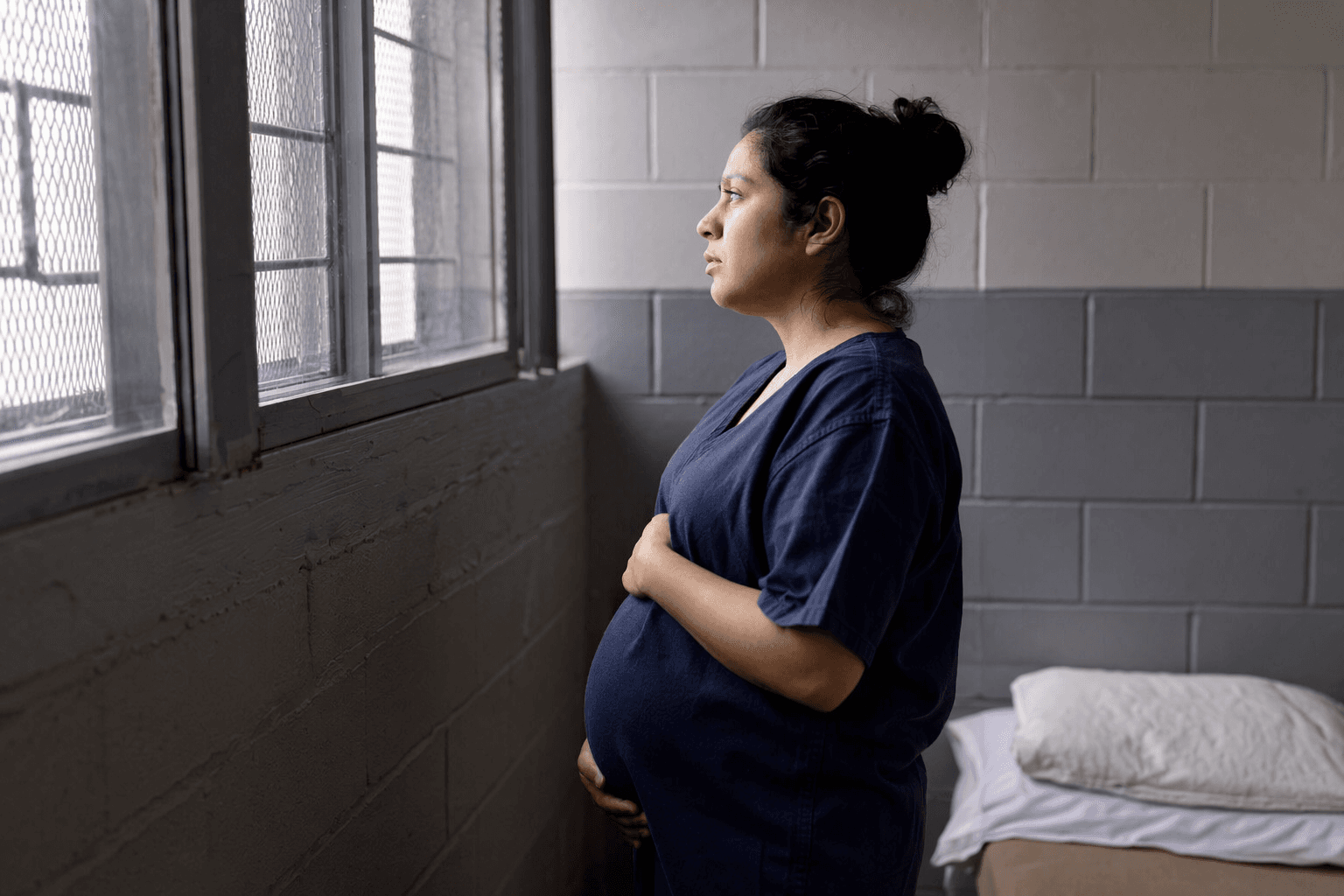
Pregnant women in county jails have been left to the mercy of uneven local practices, with some delivering in cell toilets, some losing pregnancies, and some held for minor offenses while the government failed to track what happened to them.
A new federal bill led by Rep. Sydney Kamlager-Dove, a California Democrat, seeks to close that accountability gap by mandating stronger protections for pregnant women and requiring tracking of pregnancies behind bars. The measure is an updated version of legislation Kamlager-Dove first introduced in 2023, and it comes after a run of reporting that exposed how little is known about pregnancy in local custody.
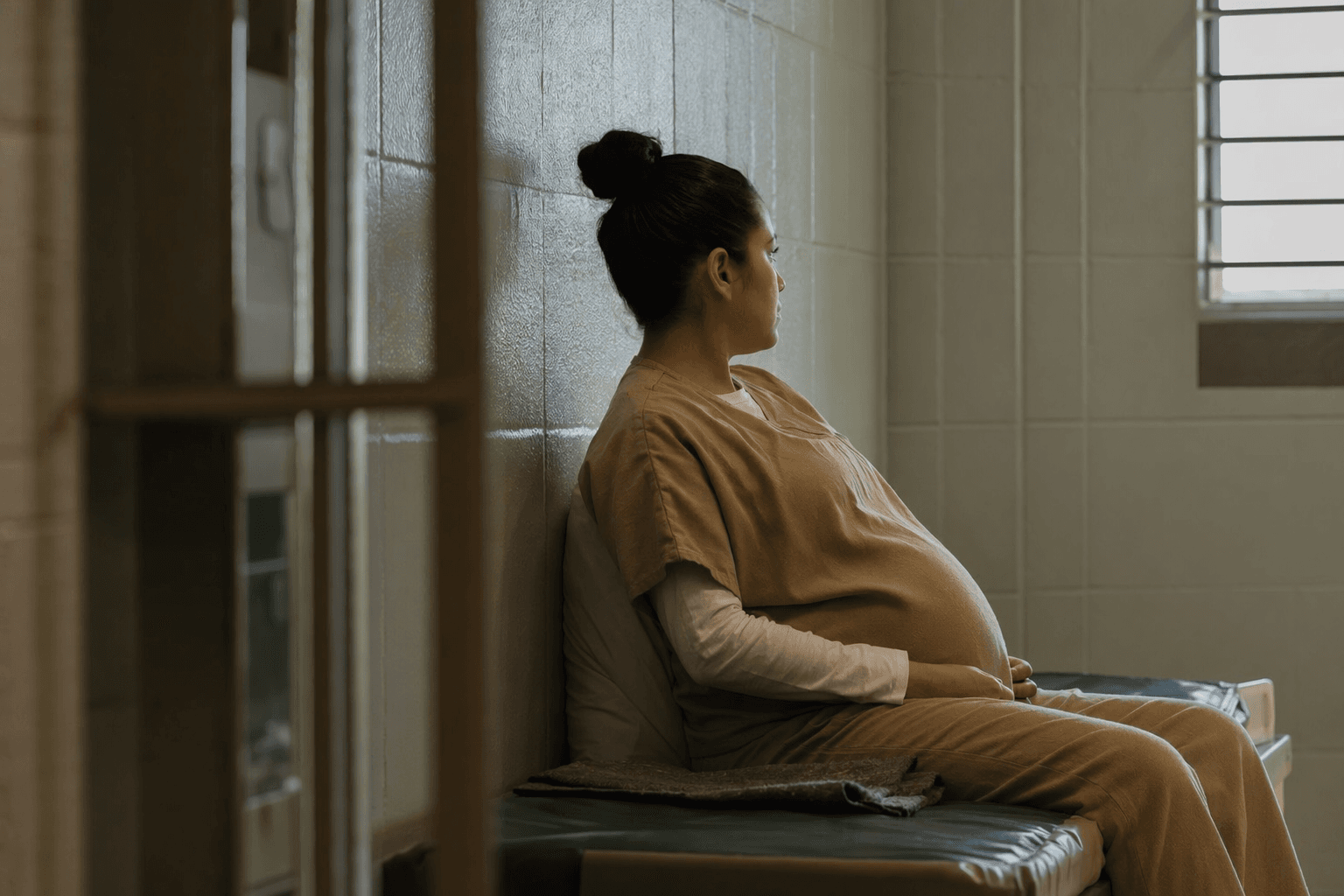
Bloomberg Law and NBC News found at least 54 pregnant women or their families alleged severe mistreatment or medical neglect in county jails from 2017 to 2024. The cases included miscarriages, stillbirths and births in jail cells, often after women were booked on low-level, nonviolent charges such as probation violations, theft and drug possession. Some were jailed because they could not pay bail fees as low as $125.
The scale of the problem remains uncertain because the United States does not comprehensively track pregnancies in local jails. At least 22 states do not track pregnancy outcomes in jail, leaving lawmakers and advocates without a full picture of how often women are denied care, restrained in dangerous conditions or forced to give birth without proper medical supervision. The reporting also described women who experienced dangerous pregnancy complications, deliveries on jail floors or in cell toilets, and, in some cases, deaths of mothers and babies.
The new proposal builds on earlier congressional efforts. In the 117th Congress, the Pregnant Women in Custody Act, also known as H.R. 6878 and S. 5027, would have required data collection on pregnancies and pregnancy-related health needs in federal, state, tribal and local custody. According to the House report on that measure, the Bureau of Prisons would have collected data on the health care needs of pregnant women in custody, while the Government Accountability Office would have studied practices in state and local jails and prisons. Congress.gov says the newer bill would require the Bureau of Justice Statistics to collect data on the health needs of incarcerated pregnant women across federal, state, tribal and local systems.
The bill arrives as lawmakers and advocates describe current conditions as dehumanizing and push for standards that do not depend on geography. Some state lawmakers have already said the reporting spurred them to consider related state legislation, a sign that the federal push may shape how jails handle pregnancy well beyond Washington.
This article was produced by Prism’s automated news system from verified source data, official records, and press releases, then run through automated quality and moderation checks before publishing. The system is built and supervised by the people who set the standards it runs under. Read our full AI policy.
Did this article answer your question?

