Millions to vote in Scotland, Wales and England elections on May 7 2026
Millions voted across England, Scotland and Wales as new Welsh rules and England’s photo ID deadline reshaped the contests.
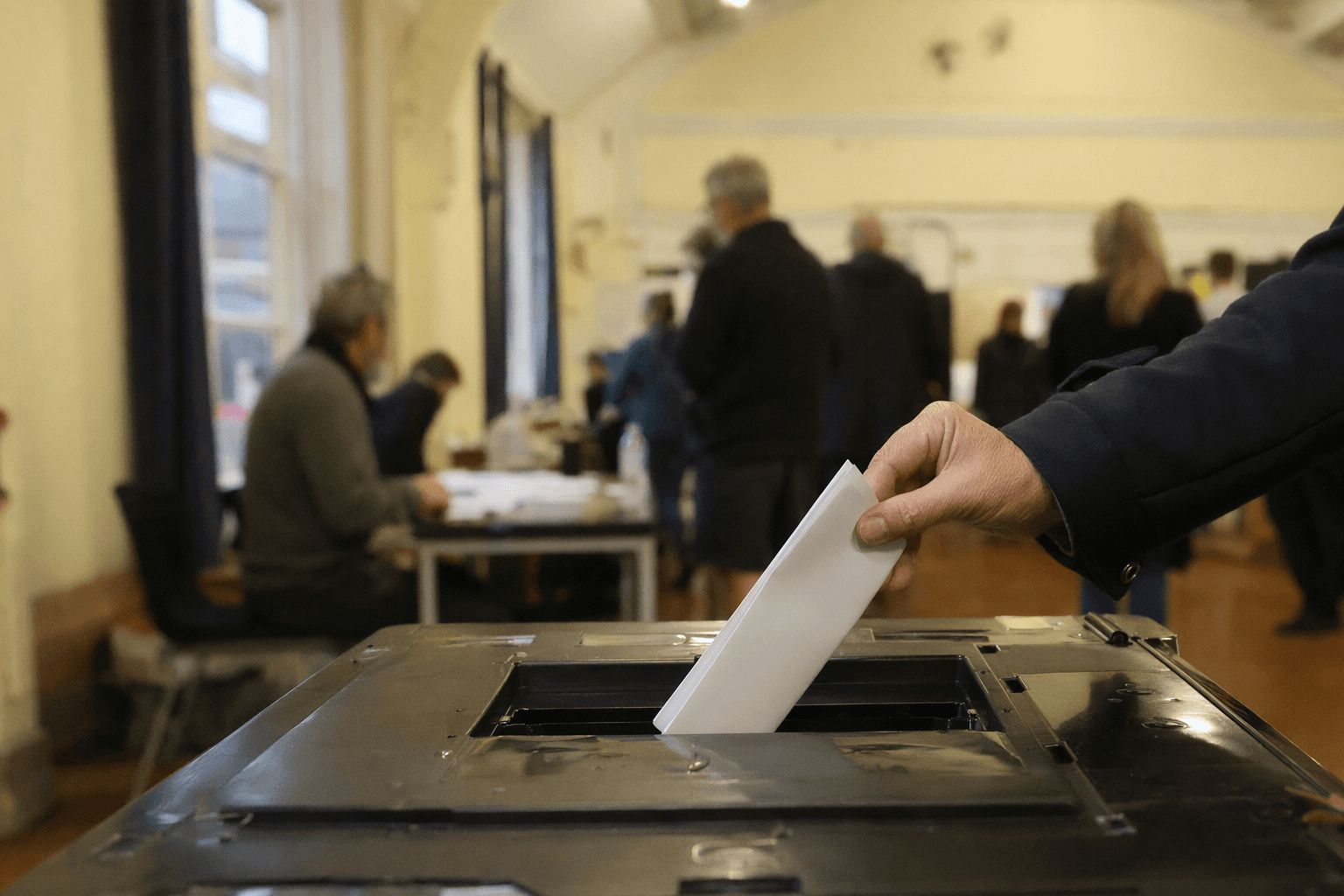
Ballot boxes opened across England, Scotland and Wales on Thursday 7 May 2026 in a set of elections that reached far beyond town halls. The day covered local government contests in England, Scottish Parliament elections, Senedd Cymru elections and mayoral races in England, making it the broadest test of political strength across the three nations in years.
The clearest pressure point was Wales, where the Senedd election shifted to a new 96-member chamber from 60 seats. Every voter aged 16 and over had one vote, and Wales was divided into 16 new constituencies, each electing six Members. That change made the election more than a routine handover; it was a first reading of how the new system would reshape representation and the balance of power in Cardiff Bay.
Scotland also faced a structural test. The Scottish Parliament kept its 129 Members, made up of 73 constituency MSPs and 56 regional MSPs, with each voter receiving two ballot papers under the Additional Member System. Each person in Scotland is represented by eight MSPs, one constituency MSP and seven regional MSPs, a setup that rewards parties that can compete both locally and across regions. The last Scottish Parliament election was held on 6 May 2021, and the next one was expected in May 2026 after the current parliament was dissolved ahead of the contest.
In England, the elections were bound up with administration as much as politics. The Electoral Commission said voters needed photo ID to cast a ballot at a polling station, and the deadline to apply for free voter ID for the 7 May elections was 5pm on Tuesday 28 April. The deadline to register to vote was Monday 20 April 2026, leaving a tight window for anyone still trying to get onto the roll before polling day.
The English contests also carried a local power test after the UK government withdrew an earlier decision to postpone 30 council elections following legal advice. Those contests went ahead as scheduled, alongside parish council elections, principal area elections, local authority mayoral elections and combined authority mayoral elections. For the main parties, a good night meant more than winning headline seats: it meant holding ground in the English local map, coping with the new Welsh electoral rules, and avoiding losses in Scotland that would harden the view that the political centre of gravity is shifting unevenly across the United Kingdom.
What mattered most was not the colour of the campaign but the shape of power after the count. Wales’s expanded Senedd, Scotland’s mixed-member system and England’s delayed council elections together formed a sharp test of whether the old political order could still command support in every part of the country.
This article was produced by Prism’s automated news system from verified source data, official records, and press releases, then run through automated quality and moderation checks before publishing. The system is built and supervised by the people who set the standards it runs under. Read our full AI policy.
Did this article answer your question?

