City Council Pushes to Expand Fair Fares for Low-Income Riders
City officials said Fair Fares reaches only 40% of eligible riders, while a proposed expansion could cover 2 million New Yorkers for far less than free buses.
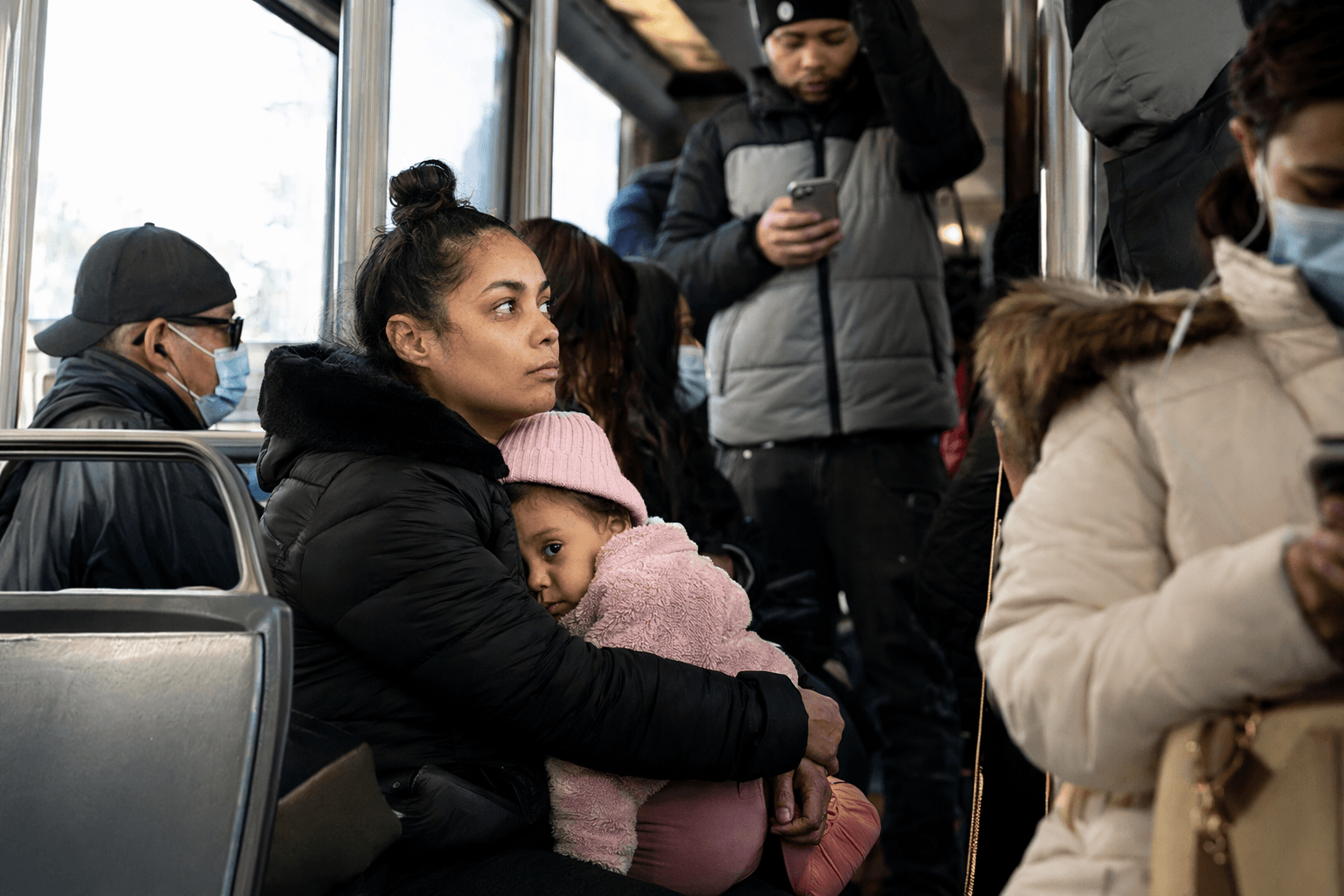
New York City’s fight over transit equity is sharpening around a basic question: should the city make buses free for everyone, or pour limited money into a program that steers aid toward riders who need it most? At City Hall, the answer increasingly centered on Fair Fares, the city’s half-price transit program for low-income New Yorkers, as officials and advocates argued that the better bargain is to expand the benefit rather than wipe out fares altogether.
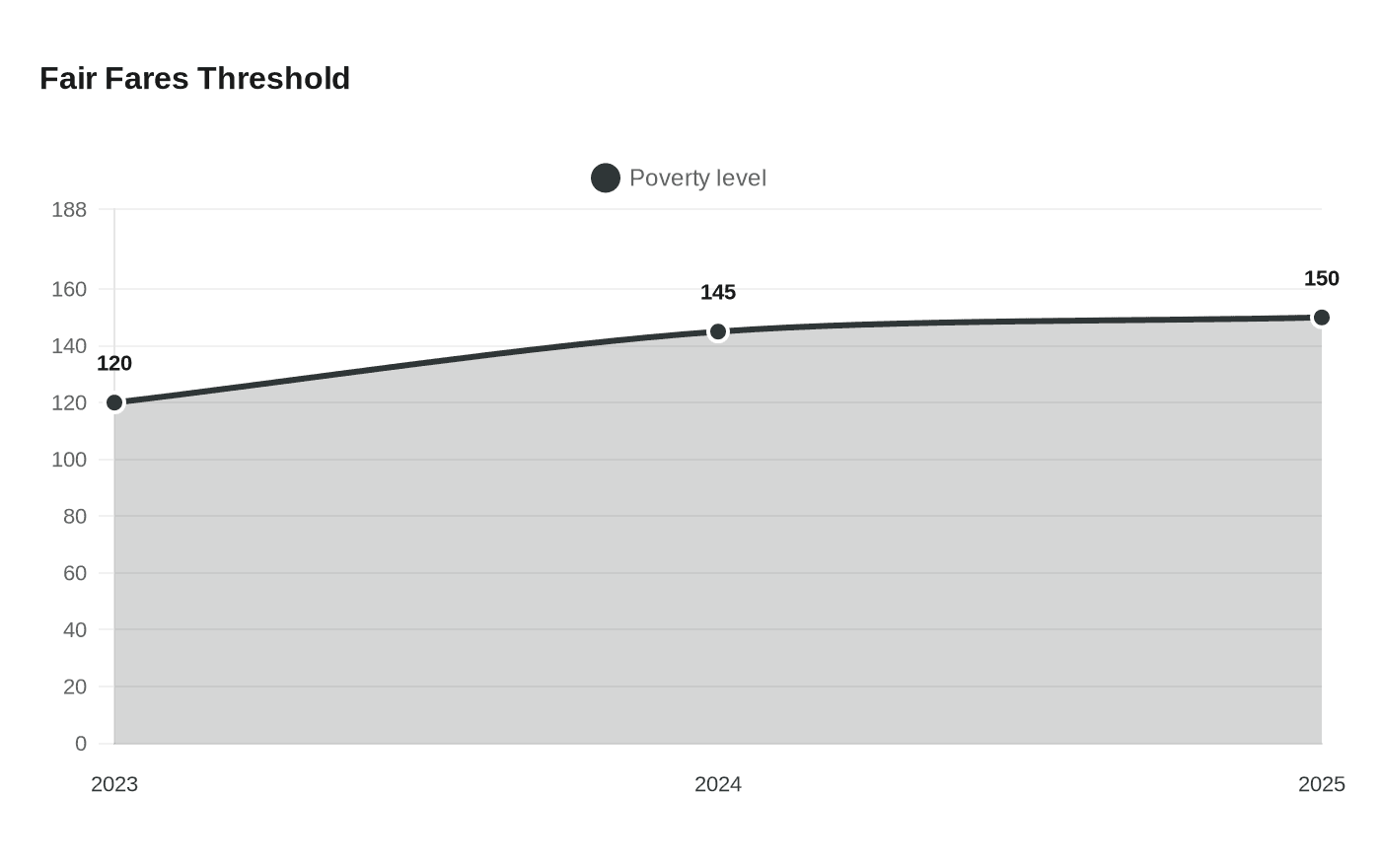
Fair Fares was created by the New York City Council in 2019 and now gives eligible residents ages 18 to 64 a 50% discount on subway and non-express bus rides, with Access-A-Ride paratransit trips also covered. The program has grown in stages, starting at 100% of the federal poverty level before rising to 120% in 2023, 145% in 2024 and 150% in 2025. Even with that expansion, enrollment remains just under 400,000 out of about 1.2 million eligible New Yorkers, meaning roughly 40% of people who qualify are actually signed up.
That underuse was at the center of the City Council’s first-ever Fair Fares hearing on May 6, 2026. Council Speaker Julie Menin and other members said the system needs to be fixed by expanding enrollment and making access automatic for people already receiving other public benefits. Advocates from groups including the Community Service Society, Riders Alliance and the Permanent Citizens Advisory Committee to the MTA have long said the same thing: the barriers are too high, the application process is too cumbersome, and too many riders do not know the program exists.
The policy split became clearer as the Citizens Budget Commission urged the city to scale up Fair Fares instead of pursuing universal free buses. The watchdog said raising eligibility to 250% of the federal poverty level would add more than 700,000 enrollees, bringing the total to about 2 million people, at an annual cost of $146 million. By the group’s estimate, free buses would cost about $900 million a year. The commission also said nearly three-quarters of commuters below 250% of poverty use the subway rather than buses to get to work, a sign that a targeted subsidy could match how low-income riders actually travel.
Zohran Mamdani, who campaigned on free buses, has not taken a formal position on the council’s Fair Fares expansion proposal, though his administration is reviewing it. The MTA has publicly backed expanding Fair Fares and has advocated for a 200% poverty threshold. With New York City facing a large budget gap, the political case for universal free buses is harder to make, while the case for a bigger, easier-to-use Fair Fares program is becoming the city’s most plausible route to transit relief.
This article was produced by Prism’s automated news system from verified source data, official records, and press releases, then run through automated quality and moderation checks before publishing. The system is built and supervised by the people who set the standards it runs under. Read our full AI policy.
Did this article answer your question?

