Billions Flow Into Brain Supplements as Science Lags Behind Hype
Americans are pouring billions into brain supplements, but even Harvard says the evidence is thin and FDA oversight mostly begins after products hit shelves.
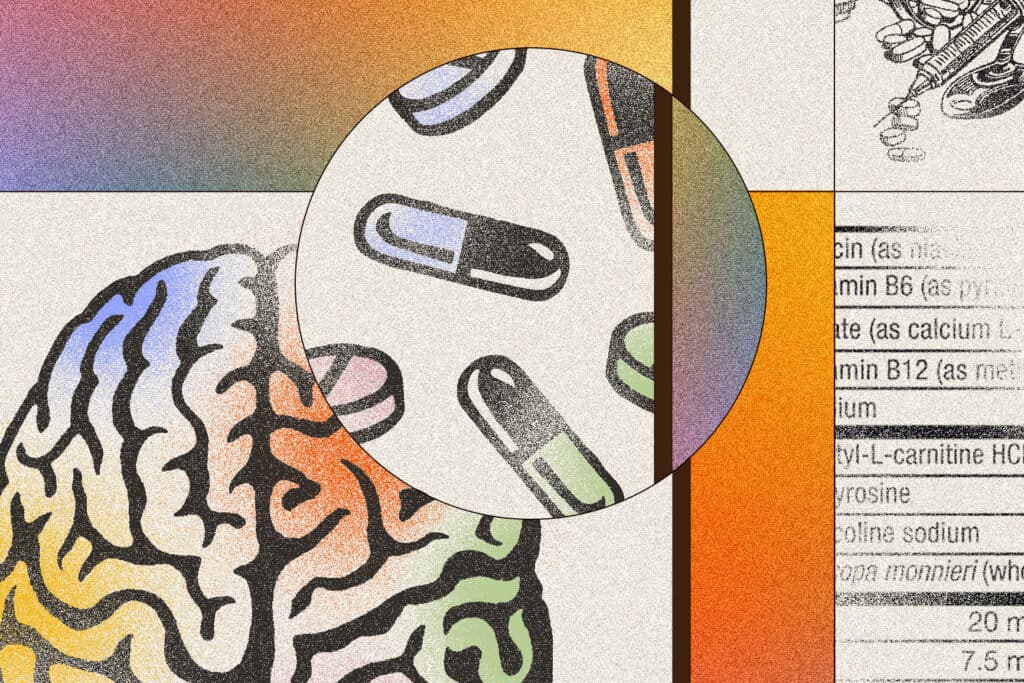
Brain-health supplements have become a booming business by selling a simple promise: sharper memory, better focus and slower mental decline. The money is real, but the science behind many of those claims is far less certain, leaving consumers to navigate a market built on anxiety, clever branding and weak guardrails.
The category now reaches deep into the wellness economy, where products are packaged to sound clinical even when the evidence is not. Harvard Health reported that about one in four adults over 50 take at least one supplement to improve brain health, a sign of how large the audience has become. That same analysis said there is no solid proof that the ingredients are working the way the labels suggest.
The scale of the business helps explain the pressure to market aggressively. Harvard has said Americans were projected to spend $35.6 billion on dietary supplements in 2022, a figure that includes everything from multivitamins to products aimed at cognition. Brian-health brands often lean on phrases such as enhanced memory or sharper attention and focus, but those claims frequently stretch beyond what the data can support. Research on inflammation, stress and neurodegeneration may point to real biological pathways, yet studies in animals, petri dishes or people with disease do not prove that a healthy adult will think more clearly after taking a capsule.

That gap matters because the regulatory system is built to allow products onto shelves before the strongest scrutiny arrives. Under the Dietary Supplement Health and Education Act of 1994, manufacturers and distributors are responsible for evaluating safety and labeling before marketing. The Food and Drug Administration’s role is largely post-market, focused on adverse-event reporting and enforcement against adulterated or misbranded products. In practice, that means consumers often rely on company labels and marketing language far more than they realize.
There are some encouraging findings in the broader nutrition literature, but they are narrower than the supplement aisle suggests. In June 2023, the National Institutes of Health reported that a large clinical trial found daily multivitamins led to modest memory improvements over three years in older adults, with the strongest effects in participants with cardiovascular disease. NIH said the results were still preliminary, underscoring that one positive trial does not validate an entire category.

The safety picture is also uneven. FDA’s MedWatch program accepts reports of serious adverse events, product quality problems and therapeutic failures involving dietary supplements, a reminder that oversight is still largely reactive. A PubMed-indexed review has also noted that products marketed for cognitive enhancement have been misbranded and, in some cases, have contained prohibited ingredients or drugs. In a market that trades on neuroscience, the most important consumer skill may be separating evidence from aspiration.
This article was produced by Prism’s automated news system from verified source data, official records, and press releases, then run through automated quality and moderation checks before publishing. The system is built and supervised by the people who set the standards it runs under. Read our full AI policy.
Did this article answer your question?