Pew finds half of adults under 50 get wellness advice from influencers
Half of adults under 50 now turn to influencers for wellness advice, but Pew found only 10% trust most of it and 61% see money behind it.

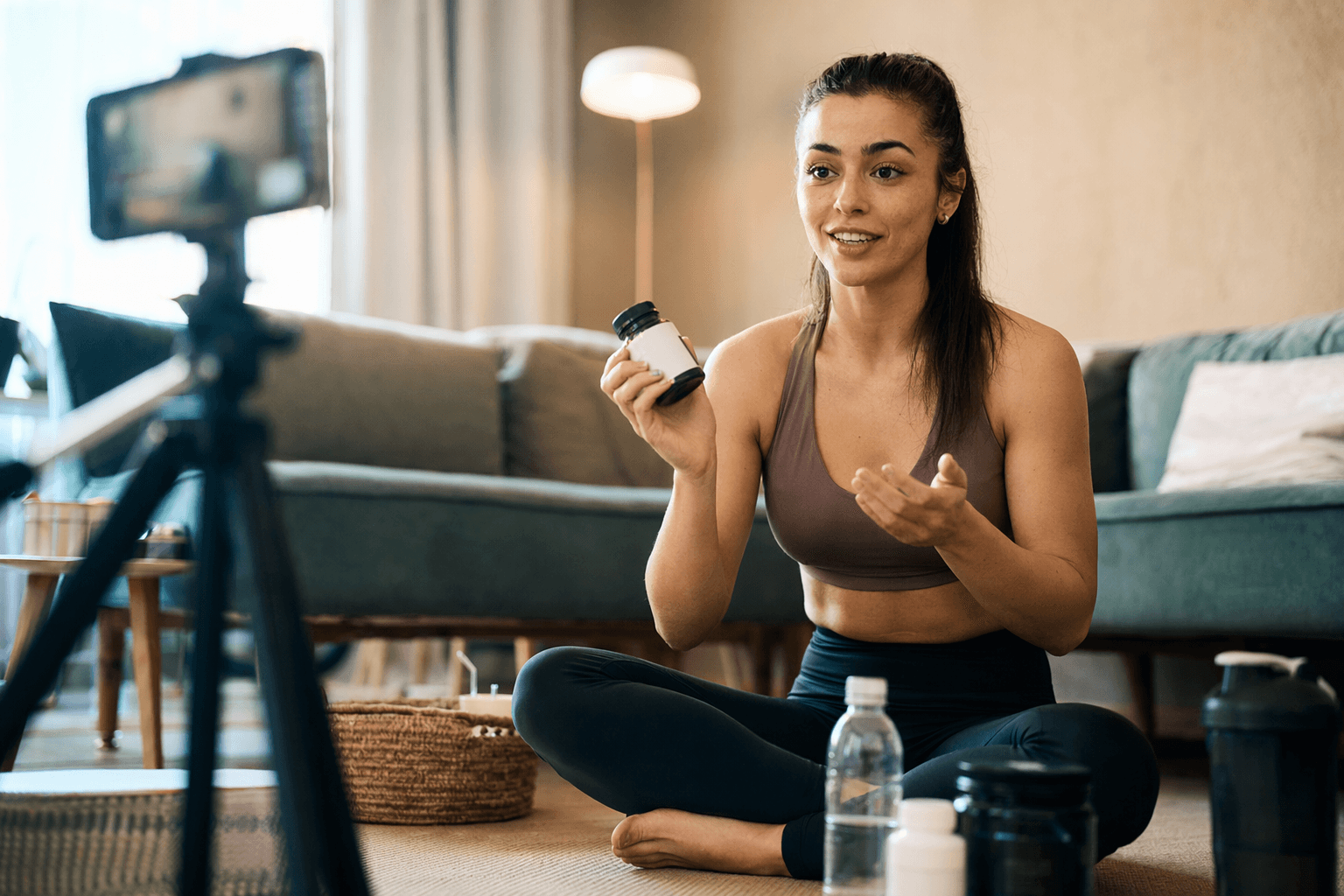
Wellness advice is no longer confined to clinics, books, or official public-health pages. Pew Research Center found that 40% of U.S. adults now say they ever get health information from social media influencers or podcasts, and among adults under 50 the share rises to about half, a sign of how deeply the creator economy has entered everyday health decisions.
The new Pew analysis examined 12,800 social media accounts tied to 6,828 prominent health and wellness influencers with at least one account above 100,000 followers on YouTube, Instagram, or TikTok. It also drew on American Trends Panel surveys fielded in June 2025 and October 2025. Among the influencers Pew studied, about 4 in 10 described themselves as health care professionals, while coaches and entrepreneurs were nearly as common, a mix that blurs the line between credentialed guidance and personal branding.
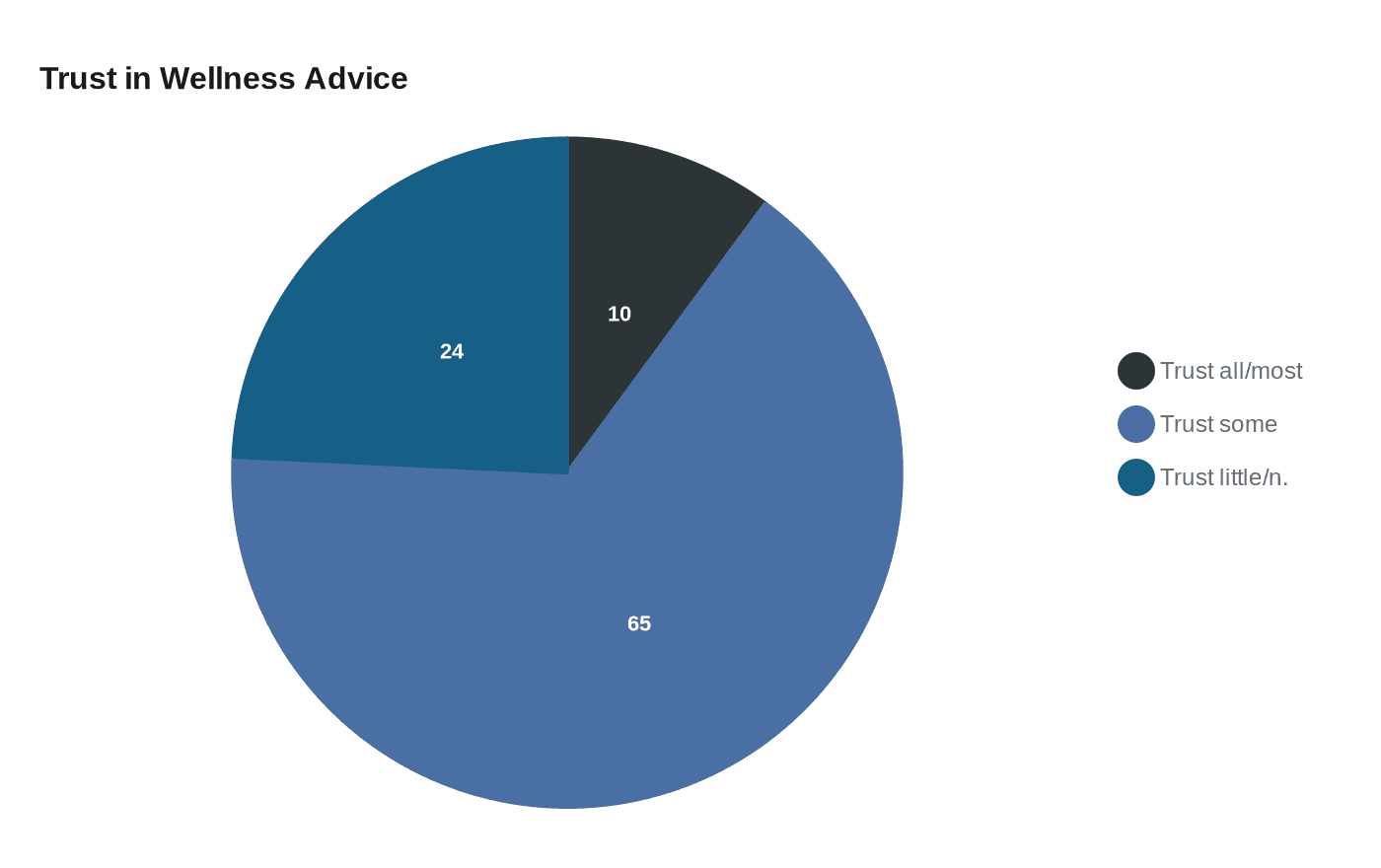
That distinction matters because trust is thin. Among people who get health and wellness information from influencers, only 10% said they trust all or most of it, 65% said they trust some of it, and 24% said they trust not too much or none of it. Even more striking, 61% of regular users said these influencers are mostly motivated by their own financial interests, compared with 39% who saw them as serving the public interest.
The subject matter is not trivial. Pew found that around a third or more of these users often hear about fitness, weight loss and personal appearance, with younger adults ages 18 to 29 especially likely to hear about fitness or mental health. Women more often said they encountered beauty and personal appearance content. KFF reported similar patterns in August 2025, finding that 55% of adults use social media at least occasionally for health information and advice, and that 15% of social media users regularly get health information and advice from influencers. The most common topics were weight loss, diet, nutrition and mental health.
Public-health officials have warned that misinformation spreads especially easily on social media. The Office of the U.S. Surgeon General has said health misinformation moves fast online, and the Food and Drug Administration updated draft guidance on July 8, 2024, for addressing misinformation about prescription drugs and medical devices shared by independent third parties online, including influencers. The policy challenge is now clear: social platforms can widen access to health guidance, but without transparent credentials, disclosed incentives and evidence-based claims, they can also turn wellness into a marketplace of persuasive but unreliable advice.
This article was produced by Prism’s automated news system from verified source data, official records, and press releases, then run through automated quality and moderation checks before publishing. The system is built and supervised by the people who set the standards it runs under. Read our full AI policy.
Did this article answer your question?