Expert Answers Key Questions on Hantavirus Spread, Treatment, Pandemic Risk
Hantavirus is rare, but it can turn serious fast after rodent exposure. The real risk is lung disease, not a looming person-to-person pandemic.
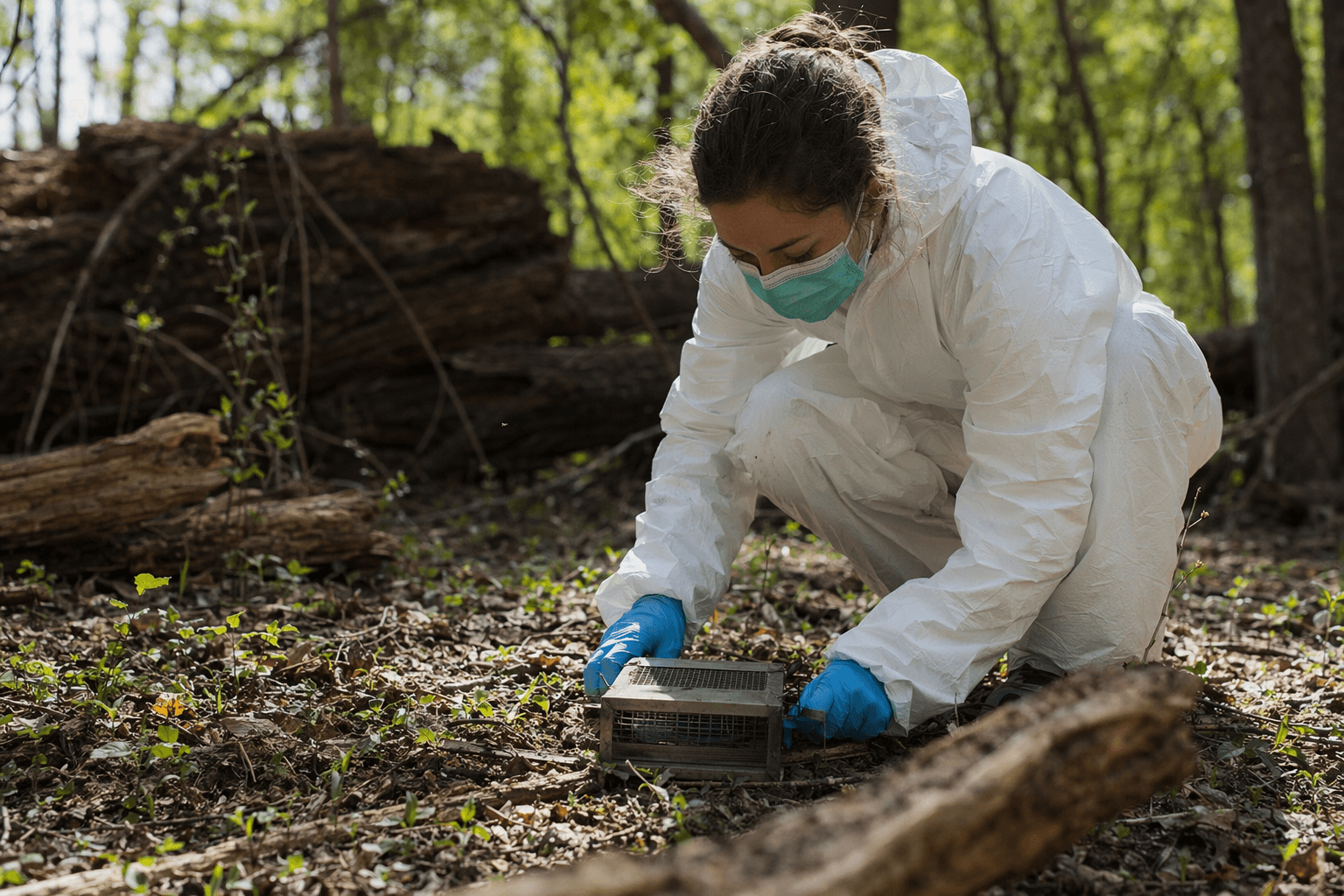
What hantavirus is, and why it still matters
Hantavirus is a family of viruses spread mainly by rodents, and it can cause hantavirus pulmonary syndrome, a severe and potentially deadly disease that affects the lungs. John Brownstein, an epidemiologist, professor at Harvard Medical School and senior leader at Boston Children’s Hospital, is one of the public voices helping explain why the disease deserves attention without panic.
The core public-health point is simple: hantavirus is dangerous, but it behaves very differently from the viruses that drive global respiratory pandemics. In the United States, most hantaviruses are not transmitted person to person, which sharply changes the risk calculation for households, clinics and communities.
How hantavirus spreads
The usual route of infection in the United States is inhalation. CDC says people are typically exposed by breathing in virus particles from rodent urine, droppings or saliva, which can become aerosolized when contaminated spaces are swept, disturbed or cleaned the wrong way. That is why rodent control is the primary strategy for preventing hantavirus pulmonary syndrome.
This is not a disease you catch casually from passing contact in everyday settings. The risk rises when rodents have invaded homes, cabins, sheds or storage areas, and when contaminated material is handled without proper precautions. CDC advises avoiding contact with rodents and safely cleaning areas contaminated by rodents, because the virus is tied to the environment they leave behind.
There is an important geographic and biological nuance. CDC notes that person-to-person transmission has been reported with Andes virus in South America, but not with the hantaviruses typically found in the United States. That distinction matters because it shows hantavirus can behave differently depending on the strain, while also underscoring that the U.S. pattern is still overwhelmingly rodent-borne.
Symptoms that should get your attention
Hantavirus pulmonary syndrome usually begins one to eight weeks after contact with an infected rodent. That delay can make the exposure easy to forget, which is one reason clinicians are urged to ask about rodent contact when people show up with compatible symptoms.
The early phase often looks vague and flu-like. CDC says the first signs can include fatigue, fever and muscle aches, symptoms that can resemble many other infections and delay recognition.
The illness can then worsen quickly. Later symptoms can include coughing and shortness of breath, which signal that the lungs are becoming involved and that the situation may be urgent. Because HPS is severe and potentially deadly, anyone with those symptoms after rodent exposure needs prompt medical evaluation.
For clinicians, the warning sign is the combination of symptoms plus exposure history. CDC says providers should consider hantavirus in people with compatible symptoms and rodent exposure, a reminder that diagnosis depends on pattern recognition as much as on lab testing.
How treatment works
There is no simple antiviral fix that turns hantavirus into a routine outpatient illness. CDC says treatment is largely supportive, which means care is focused on helping the patient breathe, maintain oxygenation and manage the body’s response as the illness progresses.
That supportive approach makes early recognition especially important. Once cough and shortness of breath begin, the disease can escalate into a serious respiratory emergency, so waiting for symptoms to pass is the wrong move. The practical lesson is that the exposure history is not trivia; it can change how fast a patient is evaluated and treated.
Why health experts do not see this as the next pandemic
The public fear around hantavirus often comes from the word “virus” itself, but spread dynamics matter more than the label. CDC says most hantaviruses are not transmitted person to person, which means the main engine of spread is rodents, not human social contact. That alone makes it unlike influenza or COVID-19, which move efficiently through people.
The historical record also points to a different threat profile. CDC says a newly recognized hantavirus was identified as the cause of a 1993 outbreak of severe respiratory illness in the Southwestern United States, after federal, state, tribal and local health officials investigated a cluster of unexplained cases. That outbreak showed hantavirus can emerge as a serious local event, but it did not demonstrate the kind of sustained human-to-human spread that drives a pandemic.
The numbers reinforce that picture. As of the end of 2023, CDC says 890 cases of hantavirus disease had been reported in the United States since surveillance began in 1993. That is a reminder that the illness is rare, but rarity should not be confused with harmlessness. Hantavirus remains a high-consequence infection with the capacity to cause outbreaks, especially where rodents and people overlap.
What to do if rodent exposure is possible
If you have been in a space with rodent droppings, urine or nesting material, the first priority is not to stir the area up. Safe cleanup and avoidance of direct rodent contact are central because the virus is tied to contaminated particles in the environment.
After that, watch for symptoms during the one-to-eight-week window after exposure. Fever, fatigue and muscle aches are early clues; cough and shortness of breath are later red flags. Those symptoms do not mean hantavirus automatically, but they are serious enough that a clinician should hear about the rodent exposure immediately.
The bottom line
Hantavirus is a dangerous rodent-borne disease, not a likely runaway pandemic. Its real danger lies in the combination of environmental exposure, delayed symptoms and a lung disease that can turn severe quickly, which is exactly why rodent control and early medical attention matter more than speculation.
This article was produced by Prism’s automated news system from verified source data, official records, and press releases, then run through automated quality and moderation checks before publishing. The system is built and supervised by the people who set the standards it runs under. Read our full AI policy.
Did this article answer your question?