Bipartisan lawmakers target states profiting from unclaimed investments, California under scrutiny
California is sitting on about $15 billion in unclaimed property as Congress weighs whether states should profit when dormant investments are turned into cash.
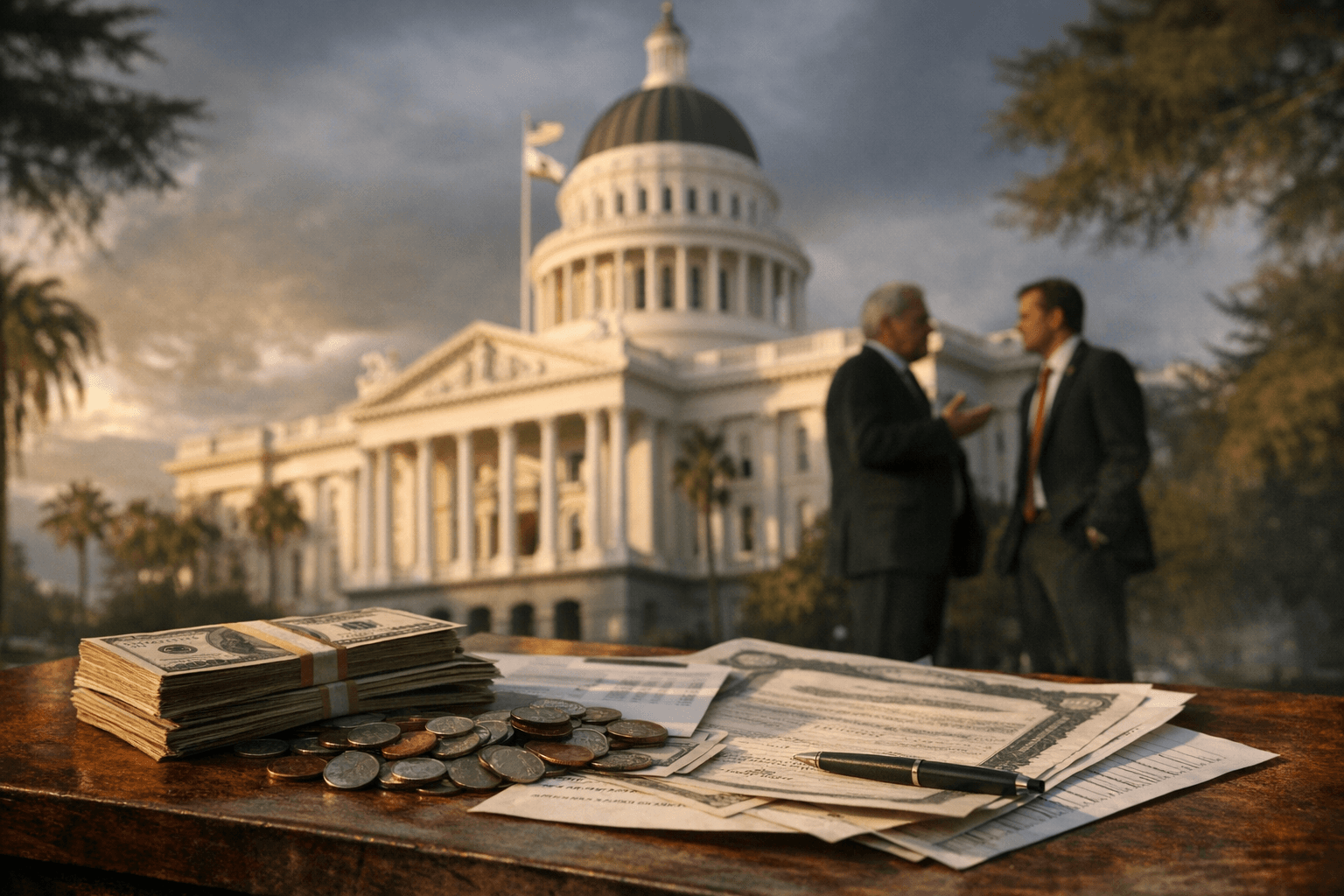
California’s unclaimed property system has become a pocketbook issue with national stakes: the state is holding roughly $15 billion, and federal lawmakers are now moving to curb a practice critics say lets states profit from assets that still belong to residents, nonprofits and retirees.
The pressure intensified after CBS News California found that money owed to food banks, children’s hospitals and the Make-A-Wish Foundation was already sitting in the state system. California food banks were owed at least $95,000, children’s hospitals at least $1.3 million, and Make-A-Wish Foundation more than $46,000. California’s own unclaimed property website says there is no deadline to claim property and that the process is free through the State Controller’s Office, but the debate in Washington has shifted to what happens before owners ever file a claim.
That question matters most for investments. Treasury says inquiries about unclaimed U.S. savings bonds are handled through state unclaimed property programs, and states can access Treasury’s database of unredeemed or matured securities to help locate owners. CBS News California’s reporting has pushed Congress to examine whether states should be allowed to liquidate stocks, bonds and other investments rather than preserve them in kind, especially when long-term assets may rise in value after they are transferred to state custody.
The concern is not theoretical. A California legislative analyst report cited in later coverage said unclaimed property was the state’s fifth-largest source of annual revenue in 2015. That has fueled criticism that the system can function as a revenue stream instead of a simple reunification service, particularly when securities are sold and claimants are later repaid only the cash value.
California lawmakers are also weighing their own fixes. Senate Bill 822, a 2025-2026 measure, would clarify that digital financial assets are subject to the unclaimed property law. Senate Bill 1066 would extend the escheat period to seven years from the last contact with the owner, require the controller to keep property in the form in which it was escheated, and pay interest on claims starting when a claim is filed.
At the federal level, H.R. 5325 would address unclaimed retirement distributions and allow them to be transferred to state unclaimed property programs through a national clearinghouse. With bipartisan attention building around the issue, lawmakers are focusing on a central principle: dormant investments should not become a quiet source of state profit when the money still belongs to someone else.
This article was produced by Prism’s automated news system from verified source data, official records, and press releases, then run through automated quality and moderation checks before publishing. The system is built and supervised by the people who set the standards it runs under. Read our full AI policy.
Did this article answer your question?

