Black police leaders warn racism guidance review is not well thought-out
Black police leaders said the racism guidance review was rushed, as Henry Nowak’s death and body-worn video footage deepened a national policing backlash.
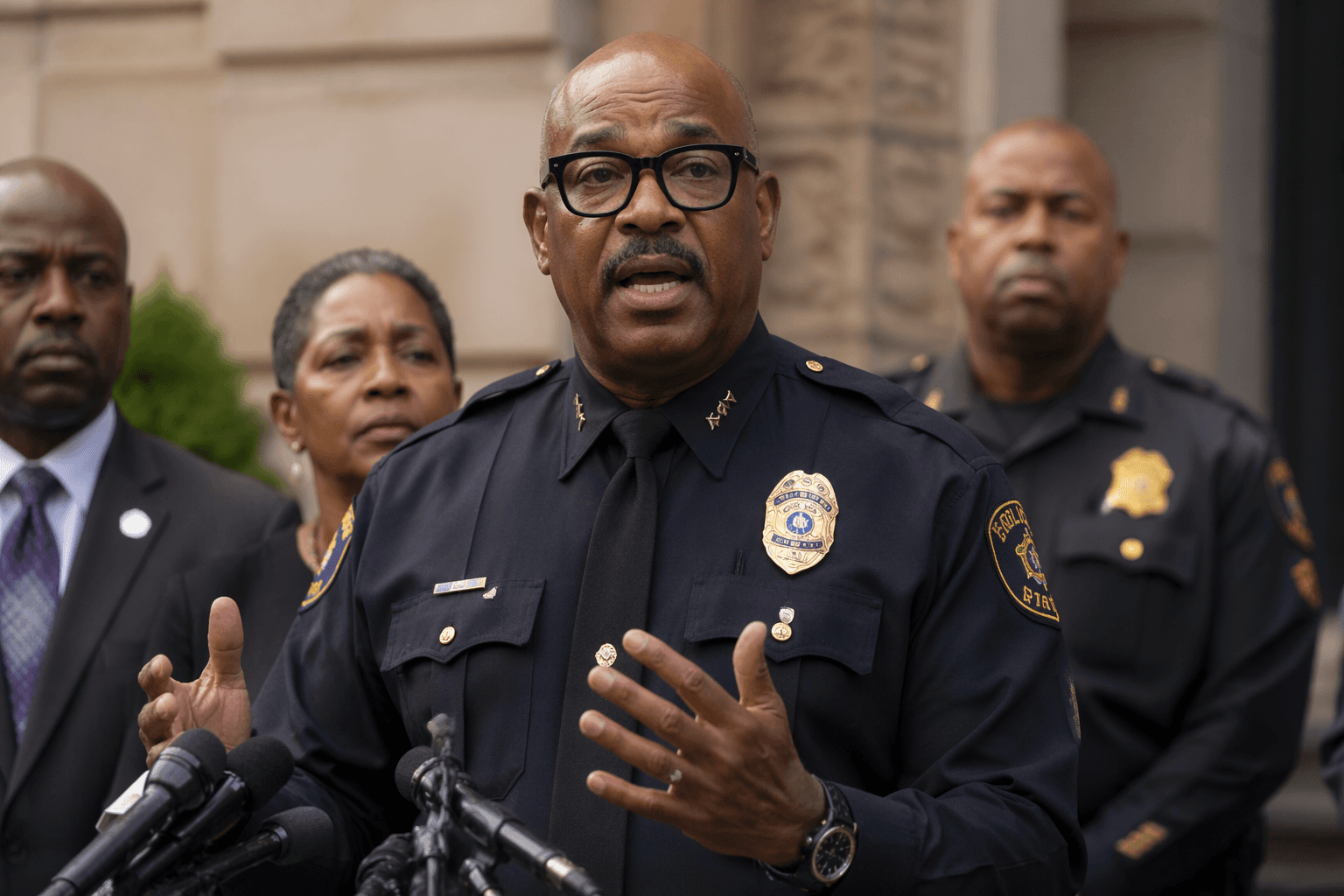
The head of the National Black Police Association said proposed changes to racism guidance were "not well thought-out", warning that police leaders were being pushed into reaction rather than reform. The criticism landed as ministers, opposition figures and senior officers argued over whether anti-racism guidance had shaped police action in the killing of 18-year-old Henry Nowak in Southampton.
Nowak was stabbed and later died after body-worn video reportedly showed officers handcuffing him while he was dying. The Independent Office for Police Conduct was investigating the police response, while senior Hampshire officers had already apologised. A Home Office statement to Parliament on 2 June 2026 confirmed the government was responding formally, and the National Police Chiefs’ Council said the guidance was under review.
The dispute cut to the core of the Police Race Action Plan, launched in May 2022 by the College of Policing and the National Police Chiefs’ Council to address lower trust and confidence among Black communities and race disparities in policing. The plan said policing should become "anti-racist" and was built around four workstreams: culture and inclusion, use of police powers, community relations and engagement, and protection from victimisation. The newer Police Anti-Racism Commitment developed from the original outcomes framework, and the plan had been shaped with input from Black communities and the NBPA.
For Black officers and campaigners, the row revived old arguments about whether police reform changes institutions or simply resets language. The Stephen Lawrence inquiry in 1999 found the Metropolitan Police to be "institutionally racist" and produced 70 recommendations, including major changes to attitudes, scrutiny, recruitment and community relations. The Black Police Association had already warned then about "canteen culture" and racism inside the service, and later NBPA leaders argued that racism had not disappeared but had become less visible, shifting from open behaviour to more hidden forms.
The present backlash has therefore become a test of method as much as motive. In 2020, police chiefs in England and Wales agreed to work together to address race disparities and improve trust and confidence among Black communities, but the Nowak case has put that work under acute political pressure. The danger, Black police leaders say, is that a single horrific death can drive a policy reset that feels decisive but leaves the deeper problem untouched.
This article was produced by Prism’s automated news system from verified source data, official records, and press releases, then run through automated quality and moderation checks before publishing. The system is built and supervised by the people who set the standards it runs under. Read our full AI policy.
Know something we missed? Have a correction or additional information?
Submit a Tip