Blake Lively Vows to Fight On After Key Claims Against Baldoni Dismissed
A federal judge dismissed Blake Lively's sexual harassment and defamation claims against Justin Baldoni, but three retaliation counts head to trial May 18.

A federal judge stripped the sexual harassment and defamation claims from Blake Lively's lawsuit against Justin Baldoni on Thursday, issuing a 152-page ruling that tossed 10 of 13 counts filed against the "It Ends With Us" director, while keeping three surviving claims on a collision course with a May 18 trial date.
U.S. District Judge Lewis J. Liman, sitting in the Southern District of New York, dismissed the harassment counts because Lively's allegations lacked the "substantial connection" to California required to sustain them under both federal and state law. The ruling granted summary judgment on the pleadings for those counts, meaning the allegations, even accepted as true, could not clear the jurisdictional threshold. Also swept away were Lively's defamation and civil conspiracy claims.
The three claims Liman allowed to proceed are retaliation, aiding and abetting retaliation, and breach of contract, and critically, Baldoni himself is not a defendant in any of them. One claim against his production company, Wayfarer Studios, remains, with a public relations firm retained by his team and the LLC for the film as the other remaining defendants.
On the retaliation count, Liman found that Lively had made out a plausible case that she had a good-faith basis for her harassment complaints, meaning a jury will now decide whether she faced unlawful repercussions for raising them. That distinction matters legally: even as the harassment allegations themselves were dismissed, their existence as a subjective foundation for retaliation survives for jurors to weigh.
Baldoni's lead attorney, Bryan Freedman, characterized the ruling as a sweeping vindication, and Wayfarer Studios said it was "very pleased" the court dismissed all sexual harassment claims and all claims against individual defendants. Lively's attorney, Sigrid McCawley, pushed back, saying the case "has always been and will remain focused on the devastating retaliation."
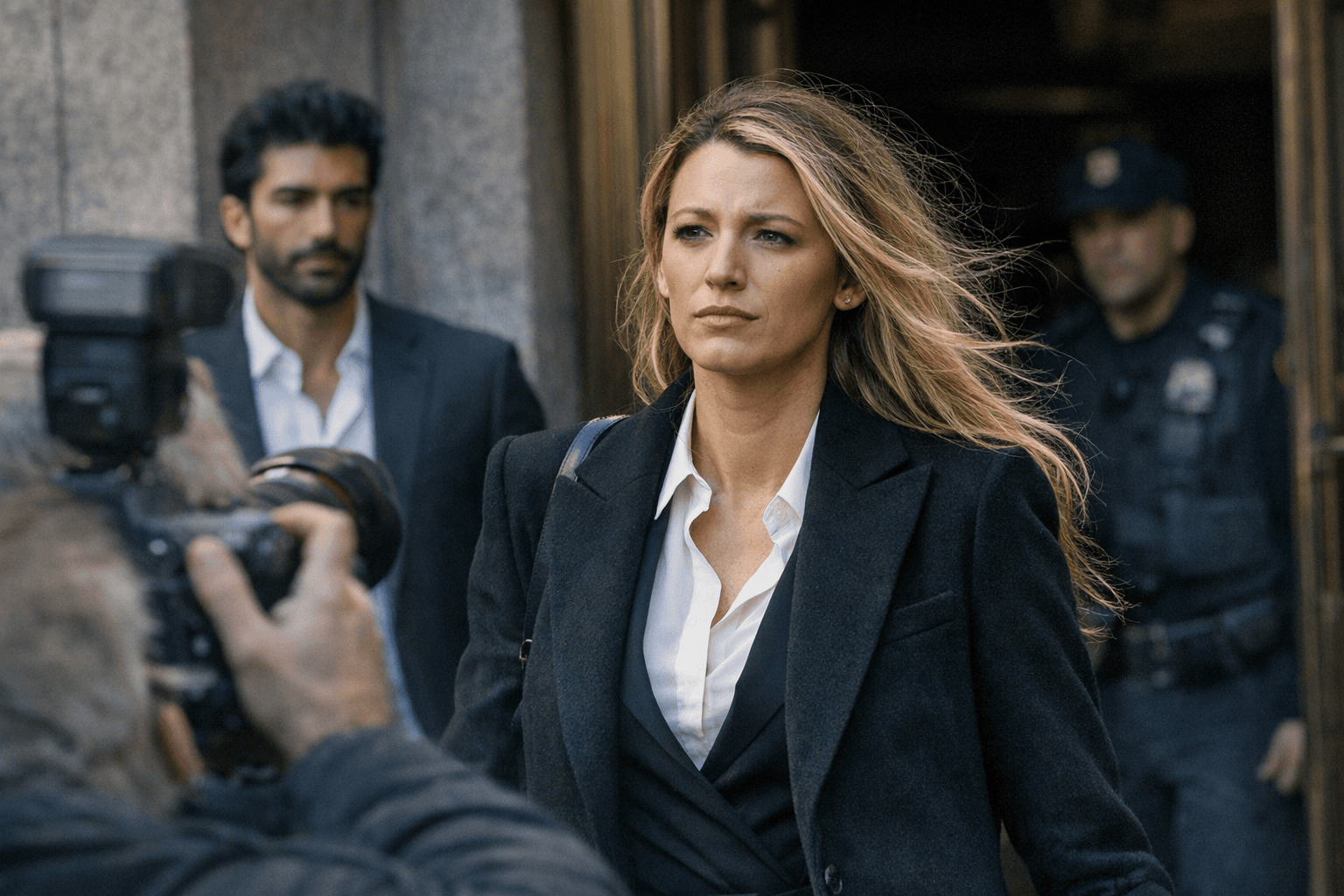
Lively herself struck a defiant posture. She said she "looks forward to testifying at trial." WME, which parted ways with Baldoni over the accusations surrounding "It Ends With Us," issued a statement of support for Lively and her remaining claims, saying "she has helped expose the devastating harm caused by covert digital takedown campaigns." The agency's statement framed the lawsuit not as a dispute between two film collaborators but as a test of whether an entertainment industry apparatus of hired crisis communicators could be deployed against an accuser without legal consequence.
The case, which Lively originally filed in December 2024, has increasingly centered on allegations that Baldoni's team orchestrated a retaliatory press and social media campaign after she raised on-set harassment concerns. The trial will pit two irreconcilable narratives against each other: one depicting Lively as an A-list actress who seized control of a director's passion project with the help of Ryan Reynolds and Taylor Swift, and another portraying Baldoni as a filmmaker who bankrolled a network of public relations professionals to destroy her career after she complained of harassment.
The partial dismissal redraws the legal battlefield but does not end it. With Baldoni removed as a personal defendant, the May trial will test whether Wayfarer and its PR partners can be held liable for the retaliation Lively alleges followed her complaints, and whether the digital campaign mounted against her crossed the line from aggressive spin into actionable harm. That question has implications well beyond this case, as entertainment litigants on both sides continue to test how far coordinated reputational warfare can go before a court will treat it as something a jury should decide.
This article was produced by Prism’s automated news system from verified source data, official records, and press releases, then run through automated quality and moderation checks before publishing. The system is built and supervised by the people who set the standards it runs under. Read our full AI policy.
Did this article answer your question?