Blanche asks judge to lift White House ballroom construction block after shooting
Blanche urged a judge to lift the ballroom blockade after a White House dinner shooting, turning a security crisis into a fight over presidential power.
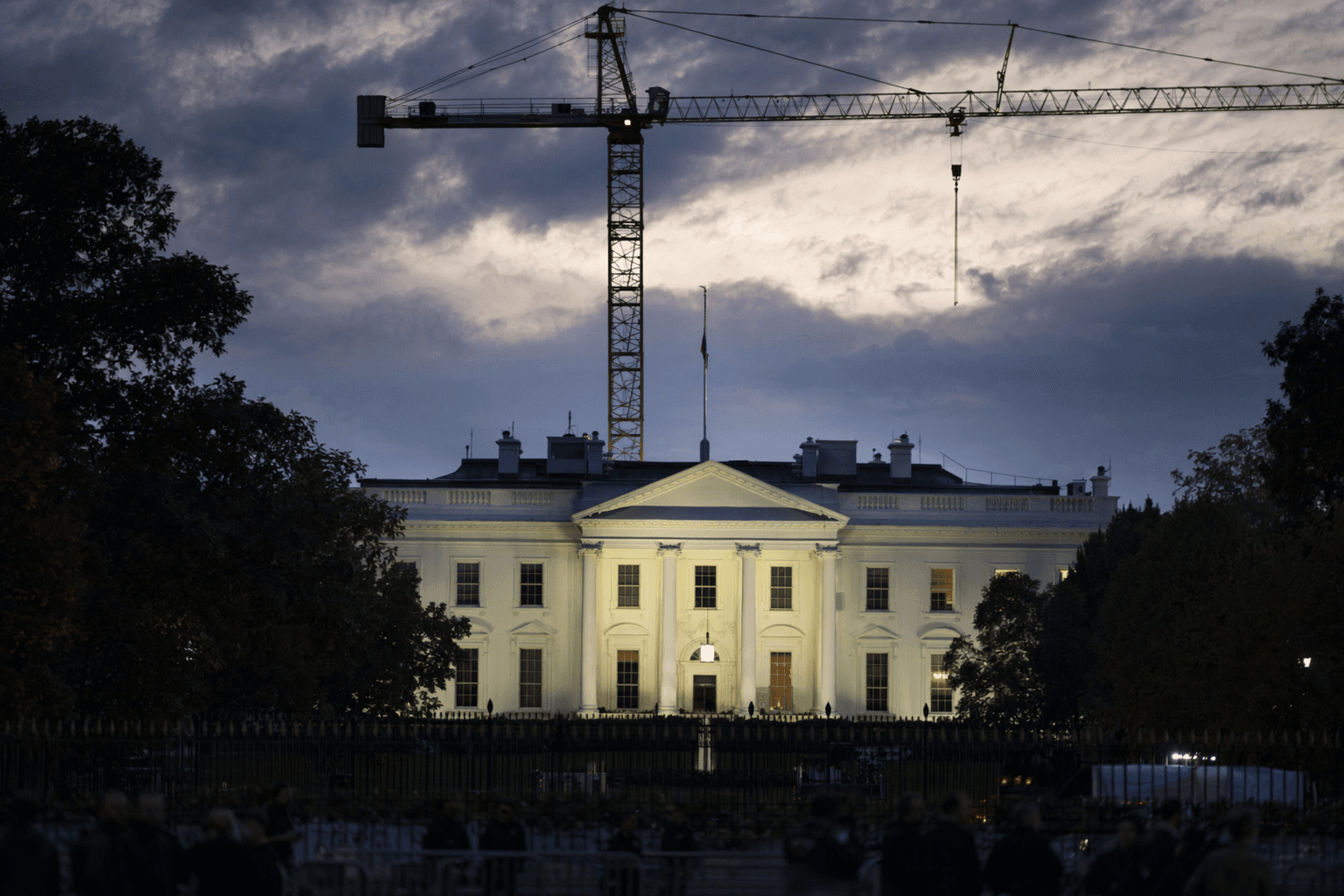
Acting Attorney General Todd Blanche asked a federal judge to reverse his own order and let Donald Trump resume work on a White House ballroom, recasting a shooting at the White House Correspondents’ Dinner as proof that the project should move ahead. The move sharpened a broader constitutional fight over who controls the White House grounds, how far a president can go without Congress, and whether a security scare can be used to override a preservation ruling already on the books.
The dispute began in December 2025, when the National Trust for Historic Preservation sued after the White House demolished the East Wing to clear space for a planned 90,000-square-foot ballroom Trump said would cost about $400 million and be paid for through private donations. Public money, the administration said, would cover a below-ground bunker and other security upgrades. On March 31, U.S. District Judge Richard Leon blocked further above-ground construction, writing that Trump is the White House’s steward, not its owner, and that no statute authorizes the project without congressional approval. Leon later said below-ground and security-related work could continue, but the ballroom itself could not proceed unless Congress acted. A three-judge appeals panel later allowed some construction to continue into June while the case moved forward.
After Saturday night’s shooting outside the White House Correspondents’ Association dinner at the Washington Hilton, the administration immediately used the episode to renew its push for the ballroom. Trump told reporters the attack showed why the White House needed a larger, more secure venue, describing the proposed room as “drone-proof” and having “bulletproof glass.” Blanche echoed that message Sunday, saying “the system worked” because law enforcement and the Secret Service protected the president and other leaders. He also said the suspect was likely acting alone, even as investigators continued to examine how the gunman got a firearm into the hotel near the magnetometer screening area.
Blanche’s letter gave the National Trust until 9:00 a.m. Monday to drop its lawsuit or face a government motion to dissolve the injunction and dismiss the case. The trust refused, with president Carol Quillen saying it would not voluntarily dismiss the suit and that the administration should follow the law. Republicans in Congress also began lining up behind the project, with Senate Republicans preparing legislation to authorize roughly $400 million for the ballroom and related security infrastructure.
The White House battle now echoes the Truman reconstruction of 1948 to 1952, the clearest modern precedent for a major rebuild done with congressional approval. That history is at the center of the legal fight now playing out in Washington: whether a president can reshape the nation’s most symbolic residence first, or must still answer to Congress before altering it.
This article was produced by Prism’s automated news system from verified source data, official records, and press releases, then run through automated quality and moderation checks before publishing. The system is built and supervised by the people who set the standards it runs under. Read our full AI policy.
Did this article answer your question?

