FTC Says Social Media Scams Cost Americans $2.1 Billion in 2025
Scams that began on Facebook, WhatsApp and Instagram cost Americans $2.1 billion in 2025, with investment fraud alone driving $1.1 billion.

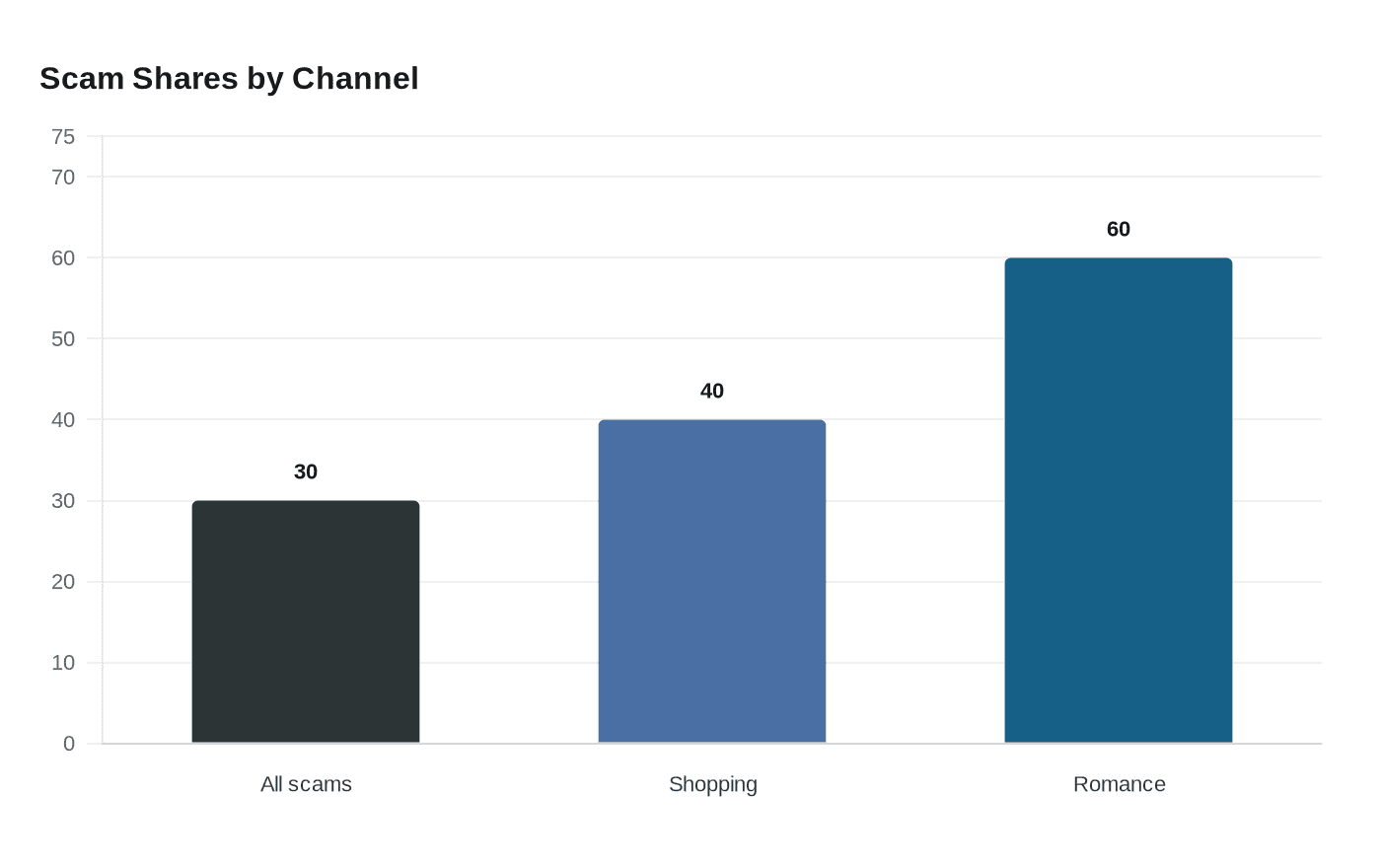
Scams that began on social media cost Americans $2.1 billion in 2025, turning Facebook, Instagram and WhatsApp into major fraud pipelines rather than side channels. Nearly 30 percent of people who reported losing money to a scam said it started on a social platform, and the Federal Trade Commission said those reported losses were eight times higher than in 2020.
The FTC said Facebook was tied to more reported losses than any other platform, with WhatsApp and Instagram next. For every age group under 80, social media was the most costly fraud contact method. For people 80 and older, phone calls ranked first and social media ranked second. That pattern matters because it shows the problem is not just spam; it is a scalable consumer-protection failure that reaches across age groups and into the places people now trust for shopping, messaging and advice.

Shopping fraud drove a large share of the damage. More than 40 percent of victims who lost money to a social-media scam said they bought something they saw in an ad, including clothes, cosmetics, car parts and puppies. The FTC said many orders never arrived, while others delivered counterfeit goods or items that did not match the listing. Some packages were shipped from China, making returns costly enough to discourage refunds. The same platforms also powered investment fraud, which accounted for $1.1 billion in reported losses. Those cases often began with posts, ads or WhatsApp groups promising easy money, then pushed victims toward fake platforms and fabricated testimonials.
Romance scams remained another major drain. Nearly 60 percent of reported romance-scam losses started on social media, where fraudsters built emotional relationships before inventing an emergency that required money. The FTC said scammers may hack accounts, study what people post to tailor their pitches, or buy ads and use the same targeting tools real businesses use. That makes content moderation only part of the answer. Fraud prevention, identity verification and tougher action against scam ads matter just as much.
The broader numbers show how much money is moving through the fraud economy. The FTC’s Consumer Sentinel Network logged $15.9 billion in reported fraud losses in 2025, up from $12.5 billion in 2024. AARP said the FBI’s Internet Crime Complaint Center received reports of more than $20.9 billion in internet-crime losses in 2025, including $7.7 billion from adults 60 and older. The FTC’s message is blunt: lock down what strangers can see, verify sellers before paying, and never take investment advice from someone met online.
This article was produced by Prism’s automated news system from verified source data, official records, and press releases, then run through automated quality and moderation checks before publishing. The system is built and supervised by the people who set the standards it runs under. Read our full AI policy.
Did this article answer your question?