Blanche faces bipartisan backlash over Justice Department anti-weaponization fund
A $1.776 billion Justice Department fund for Trump-related claims drew bipartisan alarm as Blanche defended it and refused to rule out Jan. 6 payouts.
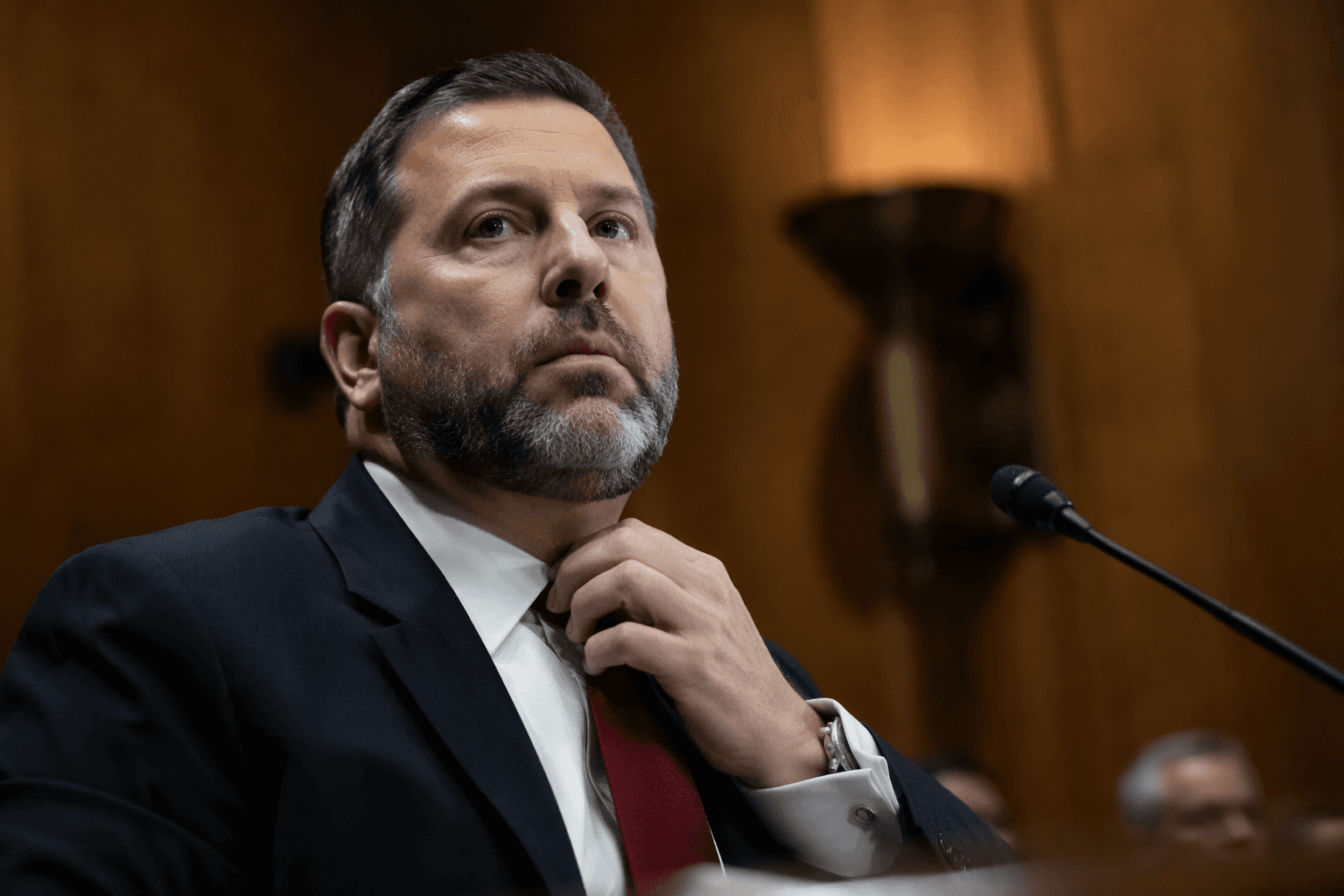
Todd Blanche put the Justice Department at the center of a new fight over independence and self-dealing after the department announced a $1.776 billion Anti-Weaponization Fund tied to Donald Trump’s lawsuit against the Internal Revenue Service over the leak of his tax returns. The settlement gave Trump, Donald Trump Jr., Eric Trump and the Trump Organization a formal apology but no money, while creating a claims process for people who say they were targets of government “weaponization” or “lawfare.”
The money will come from the federal judgment fund and be overseen by a five-person commission, with four commissioners chosen by the attorney general and a fifth selected in consultation with congressional leadership. The Justice Department said the fund will stop processing claims no later than December 1, 2028, any unused money will return to the federal government, and there are no partisan requirements to file. Officials pointed to the Obama-era Keepseagle settlement, which created a $760 million fund for Native American farmers and ranchers, as precedent.
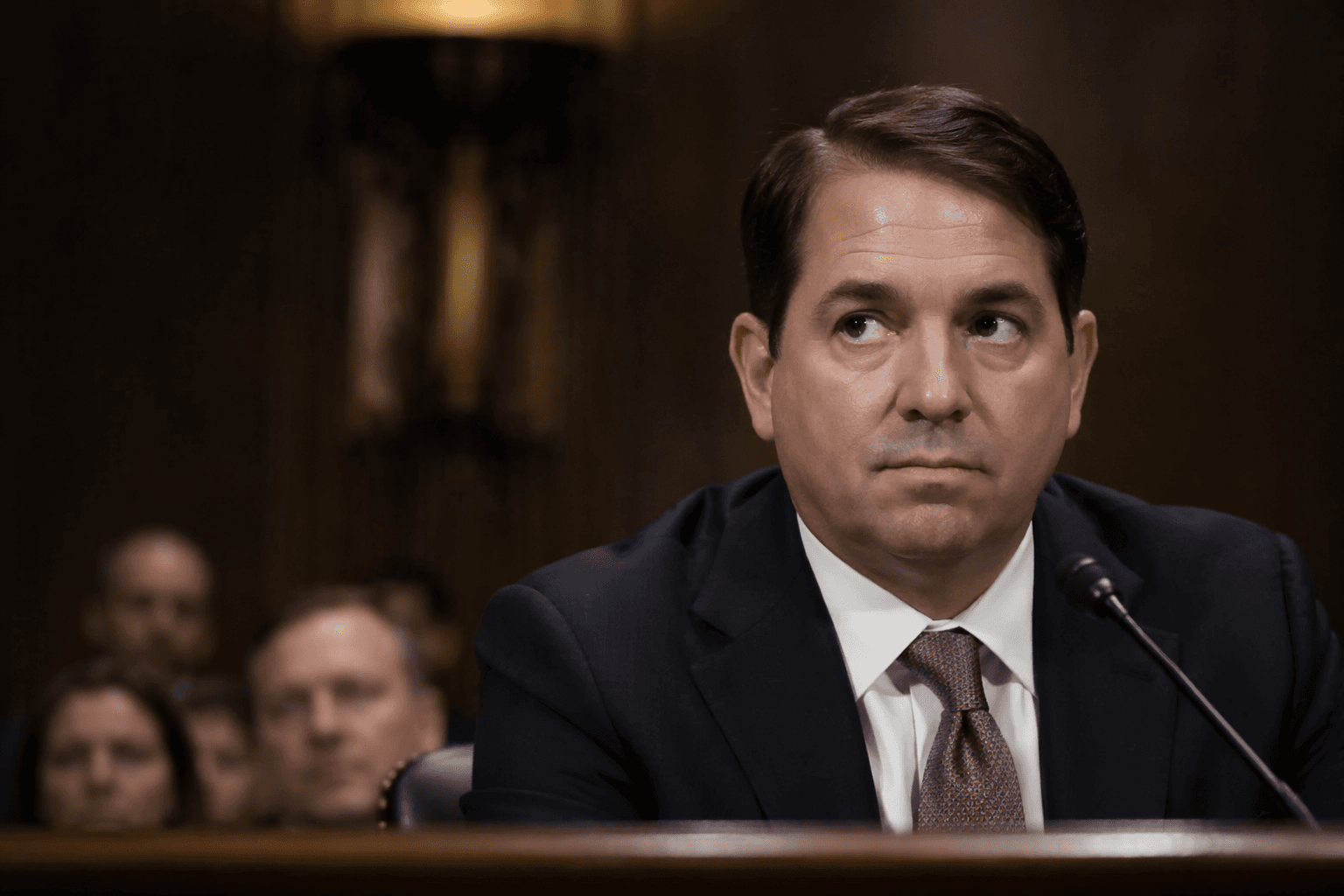
Blanche defended the arrangement Tuesday before a Senate Appropriations subcommittee, where lawmakers from both parties pressed him on whether the program amounted to a politically driven slush fund. Sen. Patty Murray, D-Wash., called it “corruption that has never been more blatant.” Sen. Chris Van Hollen, D-Md., said Blanche was acting “like the president’s personal attorney.” Blanche replied that “anybody can apply” and did not rule out payouts to Jan. 6 rioters, telling senators that the commissioners would set the rules. Sen. Susan Collins, R-Maine, asked him for the legal basis for the fund and whether payouts would be publicly reported.
The hearing deepened the ethics concerns that have shadowed Blanche since he left Trump’s defense team and joined the department in 2025. He became acting attorney general after Pam Bondi was removed in April 2026, and POLITICO reported that he is the first acting attorney general in modern history to have served as the president’s personal criminal defense lawyer. That history has sharpened scrutiny of whether his ties to Trump’s political and legal orbit compromise the department’s independence when Trump’s own grievances are being converted into a federal claims process.
Those concerns widened further when the Justice Department added a separate provision on Tuesday that barred the IRS from pursuing existing tax claims, examinations or audits involving Trump, his family members, related trusts and businesses. Blanche signed that addendum, which was not part of the original settlement released Monday. Sen. Adam Schiff, D-Calif., said DOJ ethics lawyers had advised Blanche to recuse himself from matters involving Trump in his personal capacity, and his office pointed to Blanche’s March 2025 confirmation hearing, when he said he would follow recusal rules as directed by ethics experts and career prosecutors.
Know something we missed? Have a correction or additional information?
Submit a Tip