Trump administration eases refrigerant rules to help lower grocery costs
Shoppers are unlikely to see quick checkout relief, while the rollback could spare grocers compliance costs and weaken a rule EPA says would cut 4.6 billion metric tons of CO2.
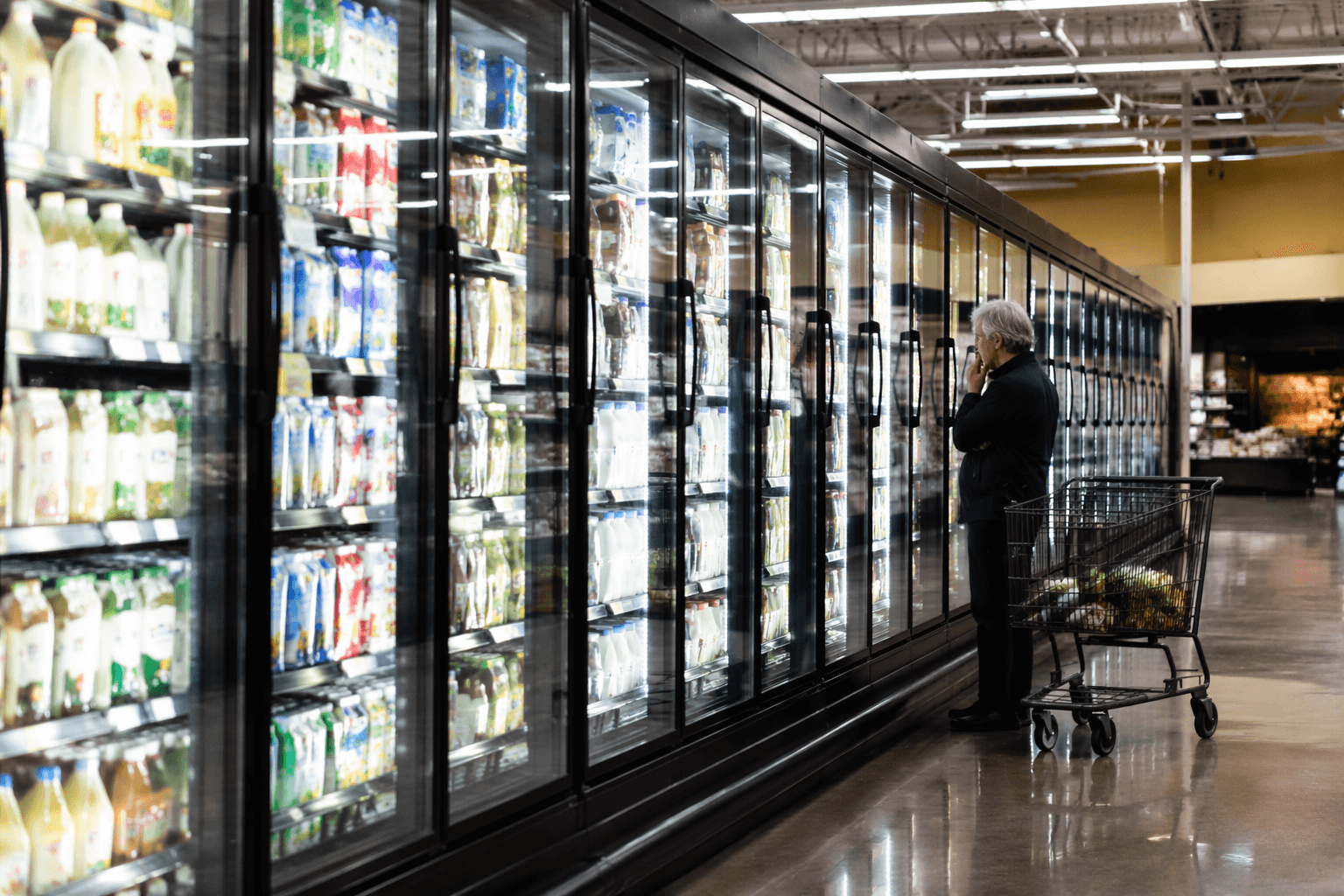
Shoppers are unlikely to see immediate, measurable relief at checkout from the Trump administration’s refrigerant rollback, because EPA has not quantified how much of the compliance savings would reach consumers and even said in its proposal that it lacked enough information to measure the costs and savings. The administration’s case is that easing the rule will lower business expenses for grocery stores and air-conditioning companies, but the price link to families remains indirect.
The change would extend deadlines under EPA’s 2023 Technology Transitions Rule for residential air conditioning, retail food refrigeration, cold storage warehouses and semiconductor manufacturing. EPA had already eased some pressure in a December 2023 interim final rule, allowing higher-GWP HFC equipment manufactured or imported before January 1, 2025, to be installed through January 1, 2026. Under the original schedule, remote condensing units faced a January 1, 2026, deadline and supermarket systems a January 1, 2027, deadline.
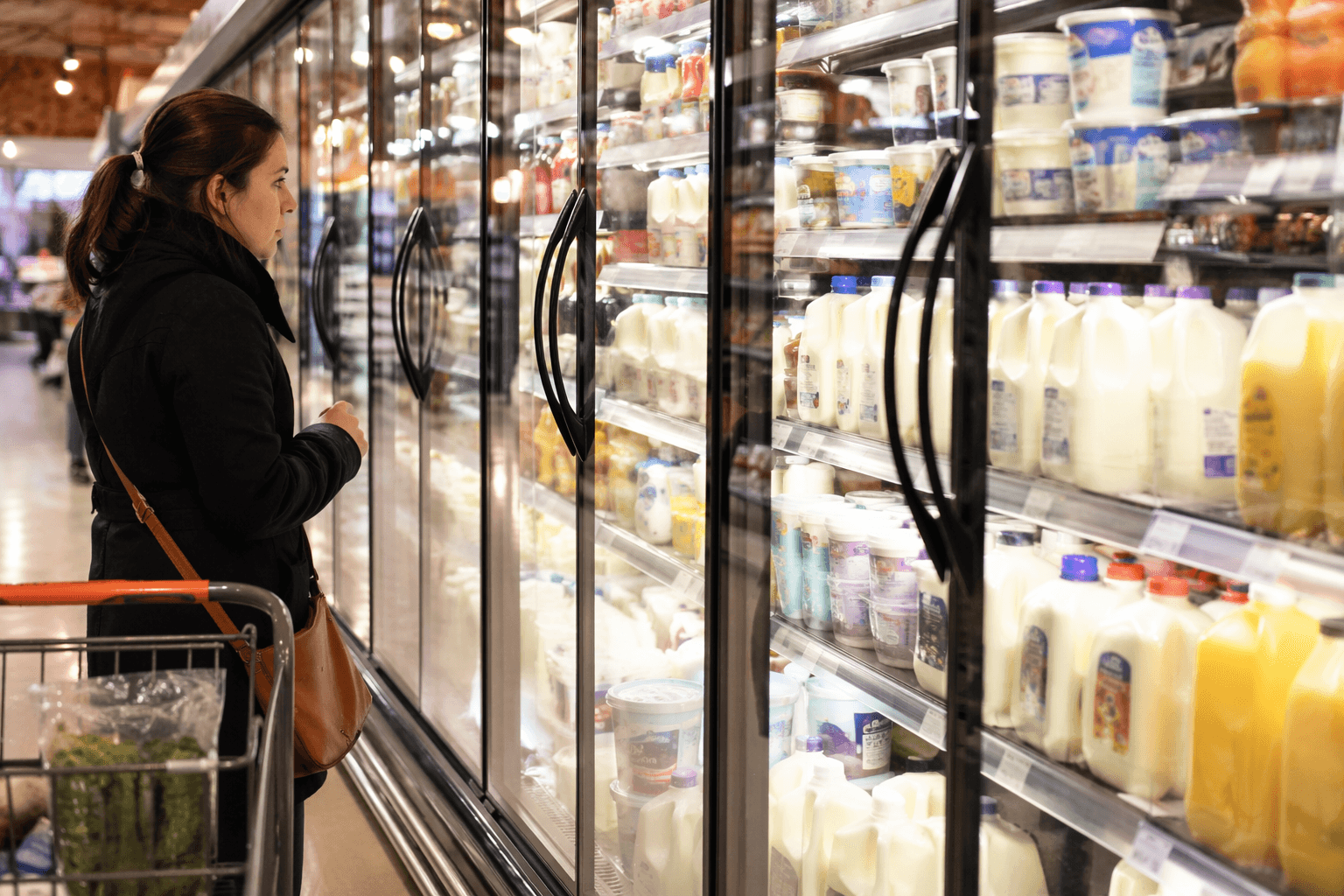
That tradeoff carries a climate cost. Hydrofluorocarbons, or HFCs, are potent greenhouse gases used in refrigeration and air conditioning, with climate impacts hundreds to thousands of times greater than carbon dioxide. EPA says implementing the AIM Act, which Trump signed on December 27, 2020, is expected to cut about 4.6 billion metric tons of carbon dioxide through 2050, roughly three years of U.S. power-sector emissions at 2019 levels. Weakening sector rules slows that phasedown at the very moment the agency says the law is meant to drive it.
Lee Zeldin said the Trump EPA was “heeding the call for change” and working to make refrigerants “affordable, safe, and reliable again.” Trump was expected to announce the move on Thursday, May 21, 2026, alongside executives from Kroger, Fareway and Piggly Wiggly, a sign of how closely grocery chains have tied their cost complaints to the rollback push. The policy argument is straightforward: give stores and manufacturers more flexibility, and some compliance costs may fall. The harder question is whether any of that reaches shoppers, or whether the main effect is to weaken a climate rule before its benefits are fully realized.
Know something we missed? Have a correction or additional information?
Submit a Tip