Justice Department adds record 82 immigration judges amid backlog concerns
The Justice Department added 82 immigration judges as the court system faces a 3.7 million-case backlog, after more than 100 judges were pushed out.
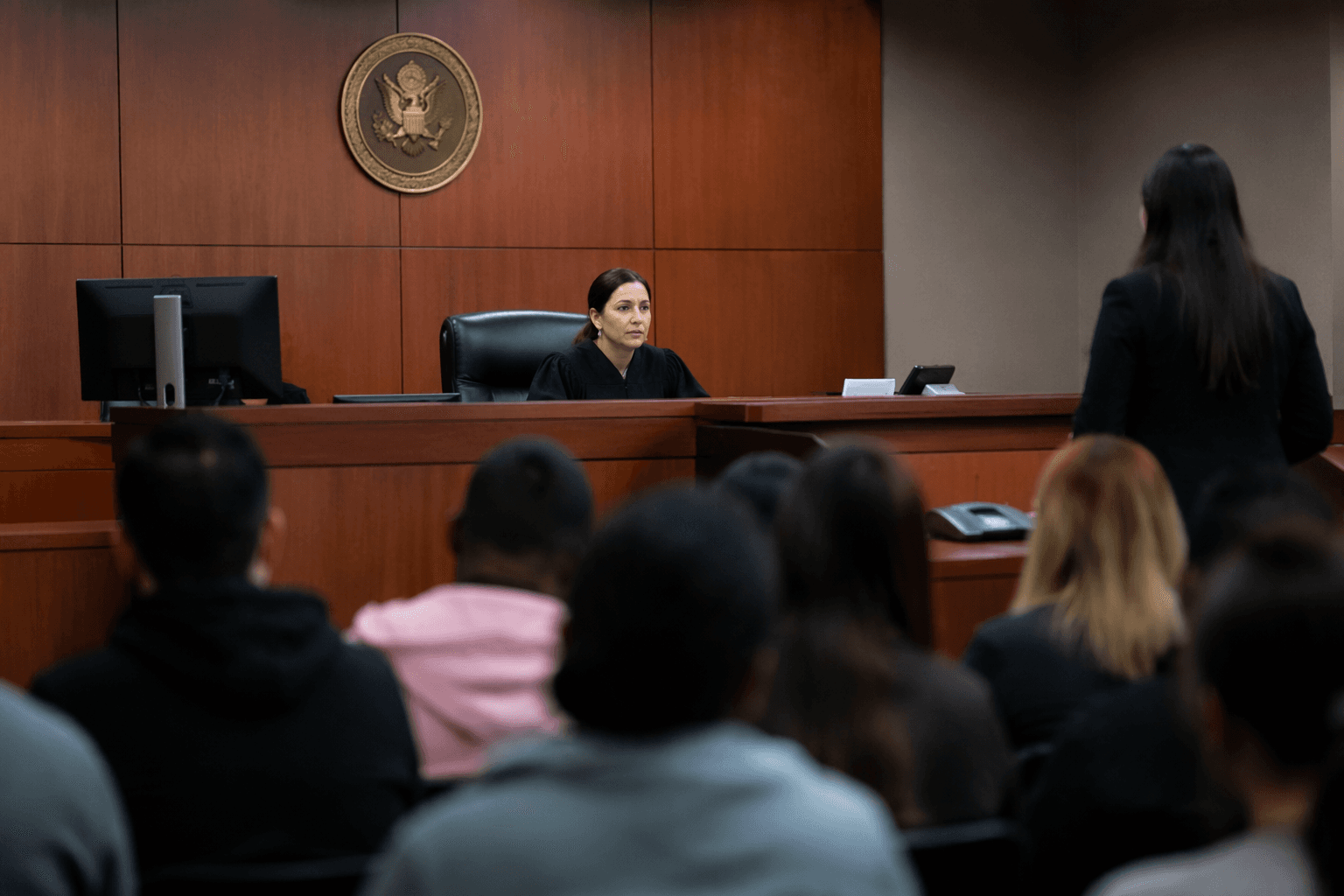
The Justice Department swore in a record 82 immigration judges on May 21, a rapid expansion that lands after the Trump administration removed dozens of judges and remade the immigration courts around faster removals.
The new class included 77 permanent judges and 5 temporary judges, and officials described it as the largest in department history. Justice Department leaders said the additions would move the immigration judge corps back closer to 700 members, after it had fallen below 600 earlier in 2026. That staffing push is meant to confront a case load that has swelled to between 3.2 million and 3.7 million cases, depending on the latest count.
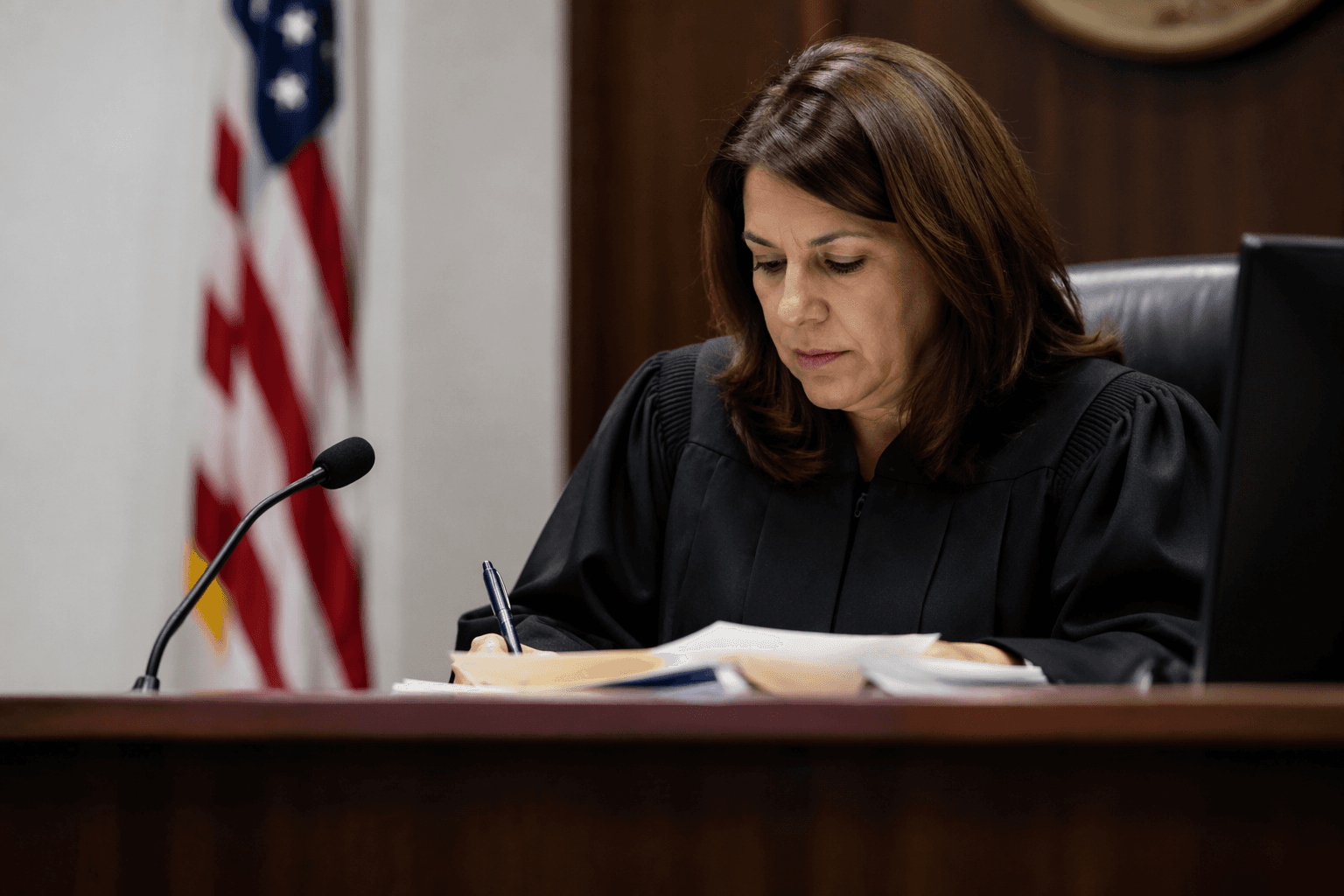
The latest hiring wave followed a March 2026 investiture of 42 immigration judges, part of an effort that added 20 more permanent judges announced since October 2025. The March group was assigned to courts in 17 states, including California, Florida, New York, New Jersey and Texas, underscoring how widely the backlog has spread across the country. When President Donald Trump took office in January 2025, the Justice Department had more than 700 immigration judges. By early 2026, that number had dipped below 600 after more than 100 judges were fired, with many others leaving through buyouts, resignations or retirement.
The administration has openly embraced the idea of deportation judges in recruiting language and job postings, signaling that speed is the priority. Acting Attorney General Todd Blanche said on May 6 that the department would target judges it believed were ruling too slowly or not following the law. Immigration judges are not part of the federal judiciary. They work inside the executive branch under the Executive Office for Immigration Review, which gives the White House and the attorney general direct control over staffing and discipline.
Critics say that structure has become the problem. Former judges and immigration advocates argue that the firings and policy changes are politicizing the courts, narrowing due process protections and slowing cases rather than speeding them up. The Executive Office for Immigration Review said in March that it had reduced the backlog by more than 380,000 cases since Jan. 20, 2025, but the overall caseload remains enormous. The central question now is whether the record hiring spree is a genuine capacity fix or another step in a system being redesigned to deliver faster deportations first and fairness second.
Know something we missed? Have a correction or additional information?
Submit a Tip