Blanche, Wirth join Face the Nation after White House shooting scare
Blanche used a White House shooting scare to stress that "the system worked" while leaving motive and firearm access unresolved. Wirth warned that the Hormuz shock is now feeding price volatility.
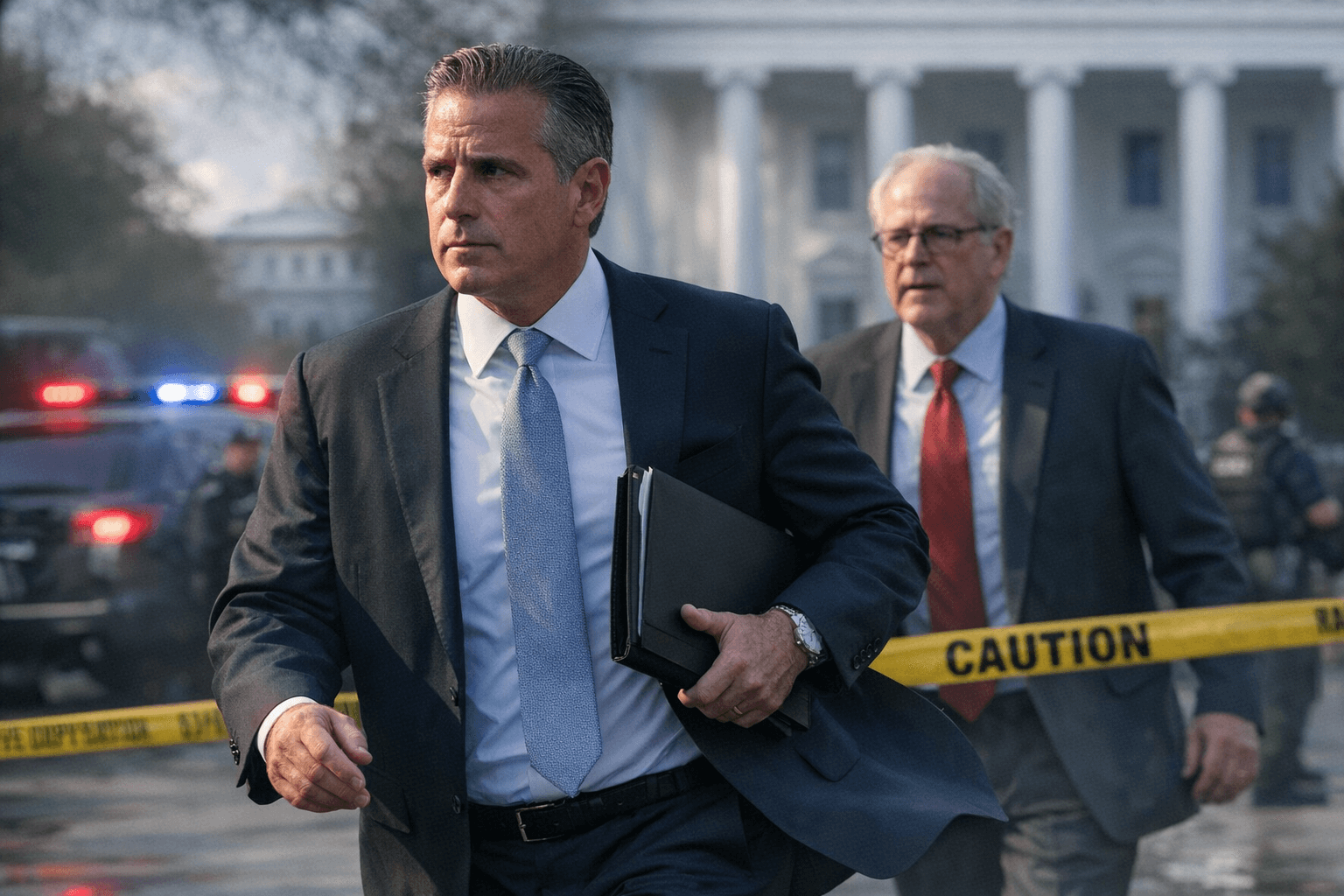
Todd Blanche used his Face the Nation appearance to project control after the White House Correspondents’ Association dinner shooting scare, saying investigators believed the suspect acted alone and that federal agents had protected the president and others even as key questions remained about motive and how a gun got inside the Washington Hilton.
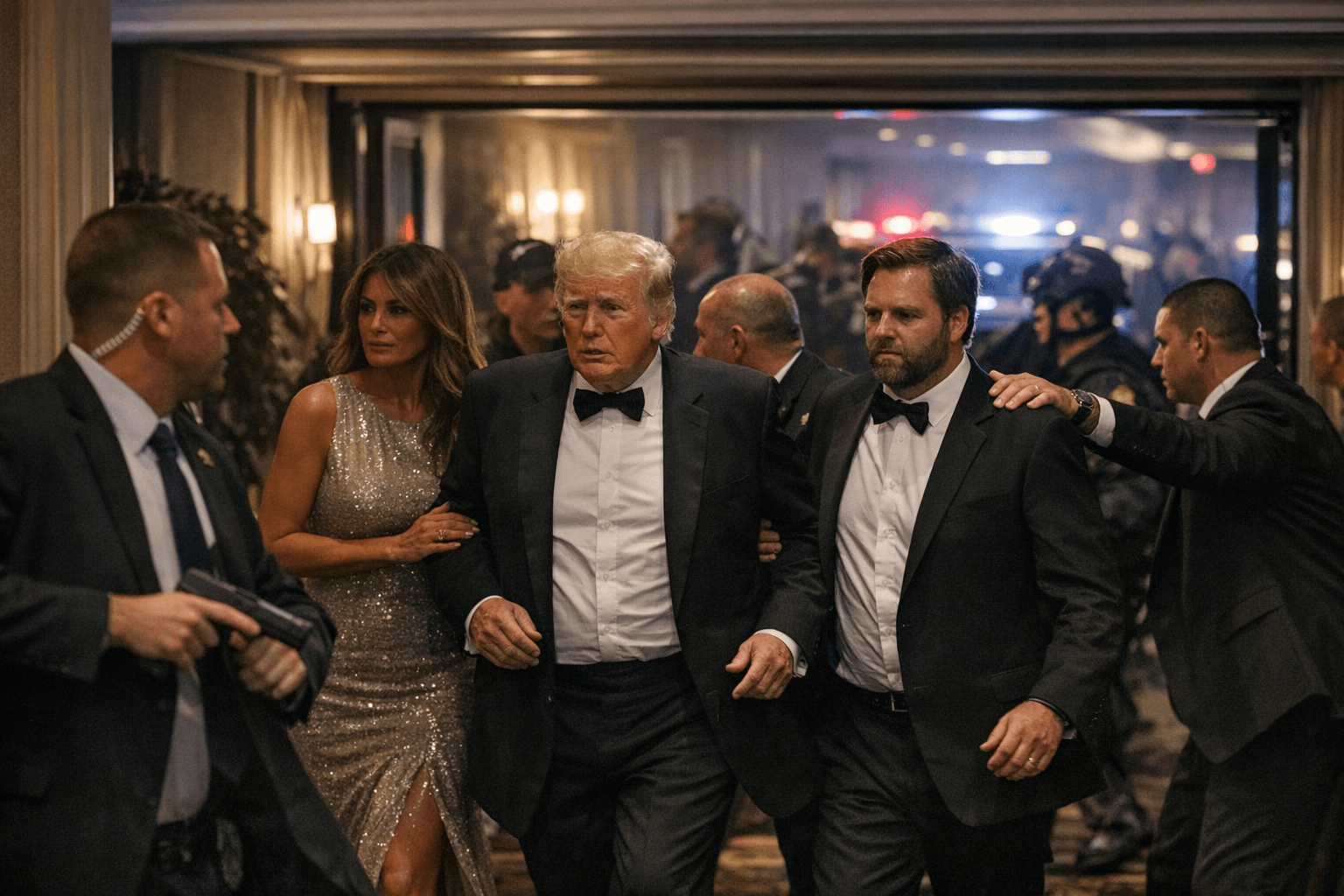
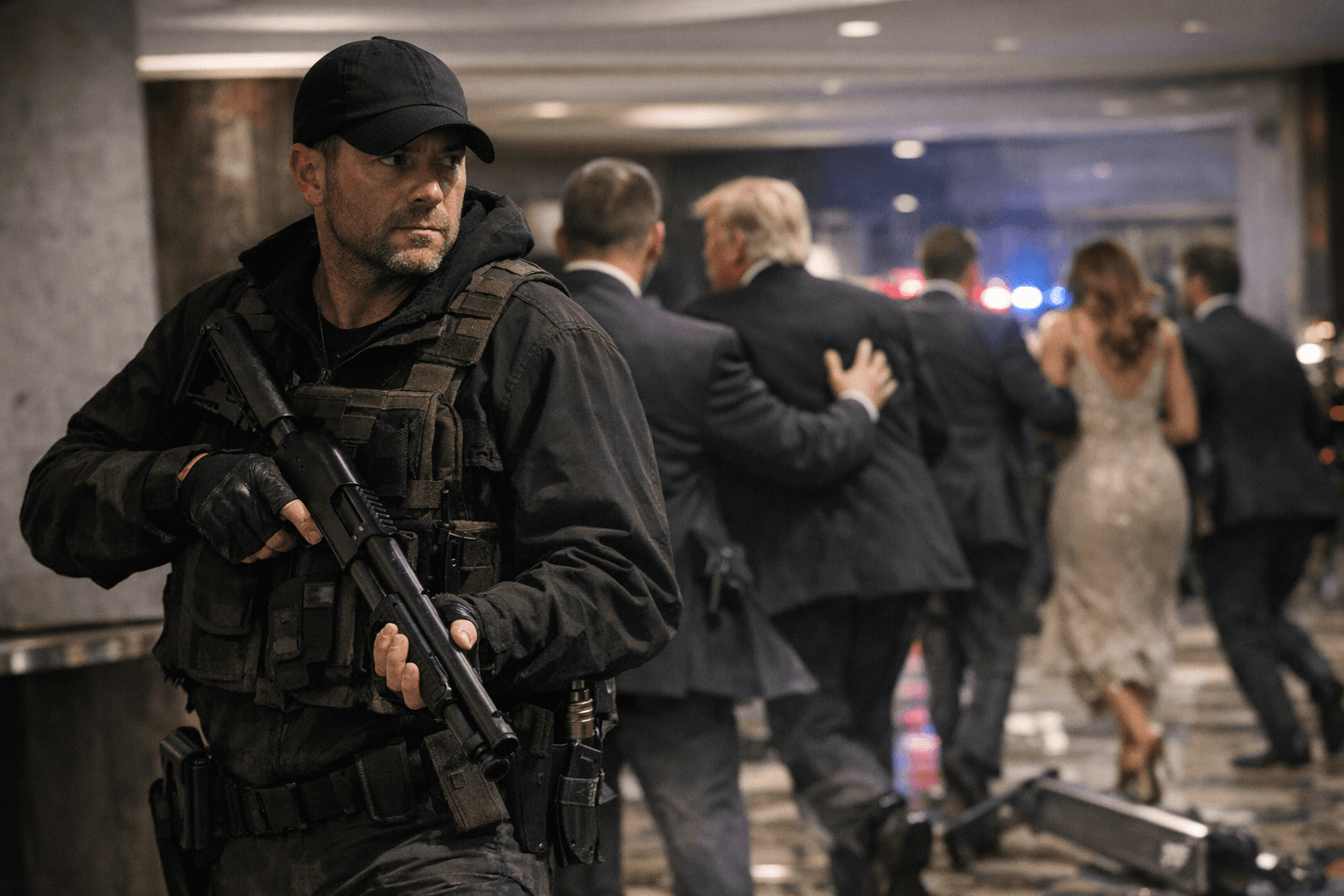
The incident unfolded on April 25, 2026, outside the ballroom where Donald Trump was attending the dinner for the first time as president. The suspect, identified as 31-year-old Cole Tomas Allen of Torrance, California, ran past magnetometers near the screening area before being subdued. A Secret Service agent was struck but was protected by a bulletproof vest and was not seriously injured, and Trump, Melania Trump, JD Vance, Cabinet officials, members of Congress and hundreds of journalists were in the building.
Blanche, the acting attorney general, used a separate ABC News interview the same day to narrow the public picture of the case. He said investigators believed Allen traveled from Los Angeles to Chicago to Washington, D.C., and that authorities were still examining how the firearm entered the hotel. By emphasizing the suspect’s likely solo status and the performance of the security response, Blanche signaled a federal posture centered on containment and system integrity rather than a broader conspiracy narrative. He summed up that message bluntly, saying "the system worked."
That message fit a tense political moment, with federal law enforcement under pressure to explain how an armed suspect got close enough to trigger panic at one of Washington’s most closely watched annual events. Blanche did not offer a motive, and he left the public with a narrow but pointed set of facts: the suspect moved alone, the protective detail held, and investigators were still piecing together the breach.
The same episode of Face the Nation also turned to another fast-moving crisis, this one in global energy markets. Chevron chief executive Mike Wirth told Margaret Brennan that the world economy consumes about 100 million barrels of oil a day and that roughly 20 percent of that normally moves through the Strait of Hormuz, where disruption tied to the war in the Middle East has rattled supplies.
Wirth said inventory buffers in tanks, ships and strategic reserves had already been drawn down, making the shock more immediate for prices. The International Energy Agency said in its April 2026 Oil Market Report that the Hormuz disruption was the largest oil-supply disruption in history, with global supply falling by 10.1 million barrels per day in March to 97 million barrels per day. The agency forecast demand would contract by 80,000 barrels per day in 2026 and projected a 1.5 million barrel-per-day decline in the second quarter, the sharpest since the COVID-19 pandemic.
The U.S. Energy Information Administration had already flagged the same pressure point on April 7, saying closure of the Strait of Hormuz and related production outages were key drivers in its latest forecast. Together, the security scare in Washington and the energy shock abroad left Brennan’s Sunday broadcast focused on two institutions under strain: federal protection at home and global supply chains overseas.
Know something we missed? Have a correction or additional information?
Submit a Tip