Blast in northeast Syria threatens four-day ceasefire and integration plan
A deadly explosion and renewed exchanges have put a fragile four-day ceasefire at risk, complicating a deal to integrate Kurdish-led forces into Syria's central state.

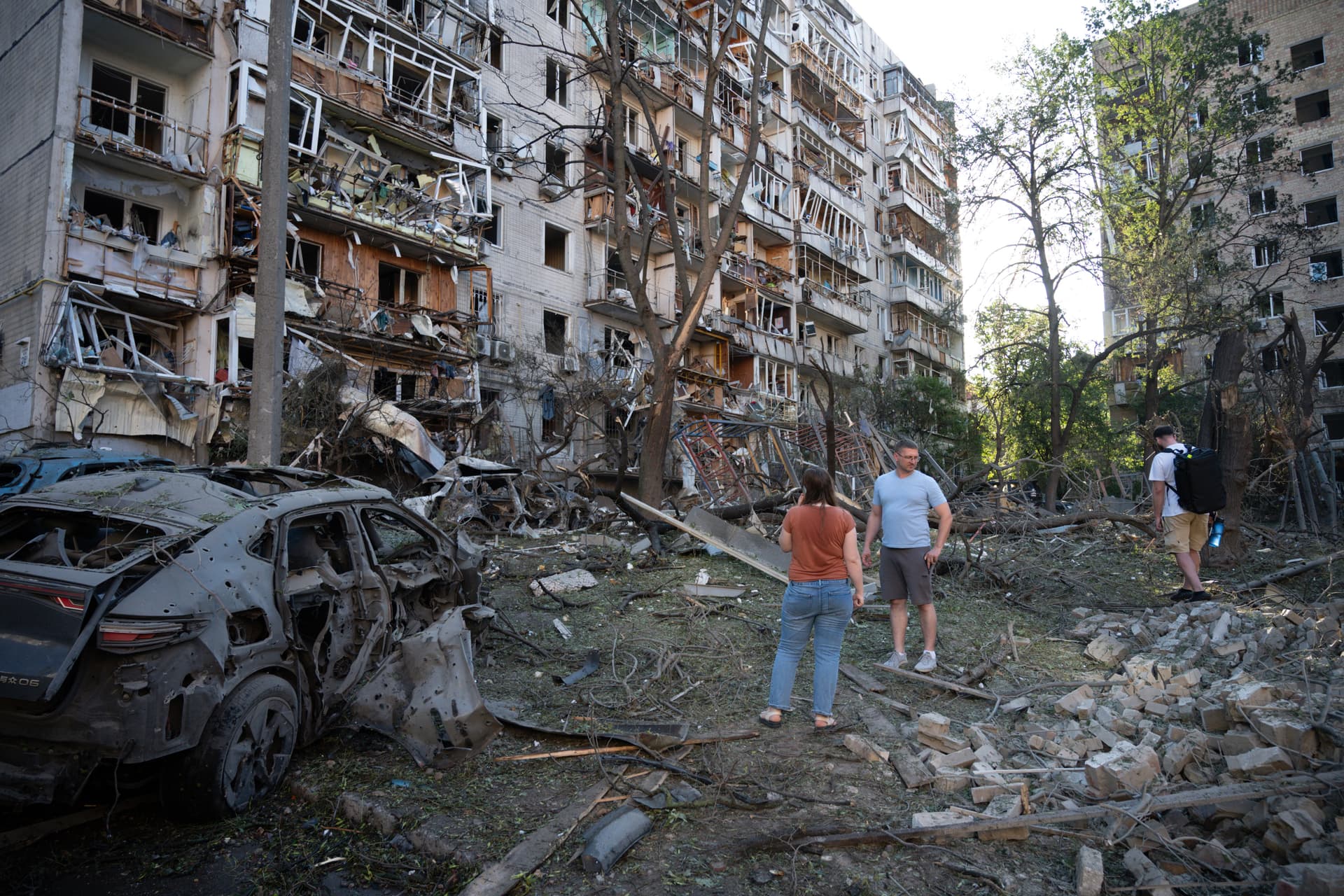
A powerful blast at a captured military base in northeastern Syria and subsequent clashes have provoked mutual accusations between Damascus and the Kurdish-led Syrian Democratic Forces, threatening a newly declared four-day ceasefire intended to pave the way for SDF integration into the central state.
Syrian state outlets and government authorities said the blast killed soldiers as they were securing the base and handling munitions. Reports differ on the toll: Reuters and Xinhua cited Syrian officials saying 11 soldiers were killed, while The Jerusalem Post and The Annapurna Express carried an account from Damascus that a drone strike killed seven. The SDF denied carrying out any strike and said the explosion occurred when Syrian troops were moving or handling explosives at the site. Independent verification of the cause of the blast and of casualty figures was not available.
The four-day truce began on Tuesday following rapid government advances and an understanding aimed at facilitating the SDF's formal integration into Syrian state structures. The agreement was presented by Damascus as a limited pause to allow political and security arrangements to proceed. Government statements warned that failure to accept the arrangement could prompt an assault on the last two main cities held by the SDF, heightening the stakes of any breakdown.
Damascus has accused the SDF of violating the ceasefire from its first day. Xinhua cited a Syrian defense authority saying more than 35 attacks targeted army positions during the truce's opening day, reportedly killing 11 soldiers and wounding more than 25. State news agency SANA went further, alleging that SDF and PKK-linked elements had planted explosives in tunnels, homes, vehicles and places of worship, and urged residents to report suspicious objects. The Syrian military also said it was prepared to assume control of the sprawling al-Hol camp and detention facilities holding suspected Islamic State affiliates, accusing the SDF of using detainee sites as leverage to "sow chaos and destabilize the region." Authorities issued warnings for civilians to avoid former SDF positions across Raqqa, Deir al-Zour, eastern Aleppo and Hasakah provinces.

The SDF countered that Damascus-affiliated forces breached the truce in multiple locations across the Jazira region and around Kobani, naming areas that saw artillery fire and ground attacks, and reporting that its units repelled several assaults. Xinhua reported the SDF saying civilian casualties occurred, including the death of a woman in shelling south of Kobani. The SDF called on international guarantors to intervene to protect civilians and preserve stability as tensions mount.
Related developments at the al-Hol camp have sharpened concerns about security and humanitarian risk. AP and PBS reported that SDF guards withdrew from the camp on Tuesday, a move the Syrian interior ministry said allowed detainees to escape, though AP said it could not independently confirm escapes or numbers. The SDF acknowledged the withdrawal and blamed international indifference to the problem of IS detainees. The Syrian defense ministry said it was prepared to take over al-Hol and prisons; AP cited a Kurdish official placing the camp population at roughly 24,000, down from a 2019 peak of some 73,000.
With both sides issuing competing accounts and no independent forensic confirmation of the base blast, the ceasefire's survival may depend on rapid external mediation and on-the-ground verification by international observers. Until such verification and guarantees are in place, the integration plan and the safety of detainees and civilians in northeast Syria remain precarious.
This article was produced by Prism’s automated news system from verified source data, official records, and press releases, then run through automated quality and moderation checks before publishing. The system is built and supervised by the people who set the standards it runs under. Read our full AI policy.
Did this article answer your question?