BLM Approves Northern Corridor Highway, Secures Protections for Moe's Valley Bouldering Area
BLM approved a right-of-way for the Northern Corridor and, as part of the deal, secured permanent protections for Zone 6 including Moe's Valley bouldering, a major local recreation asset.
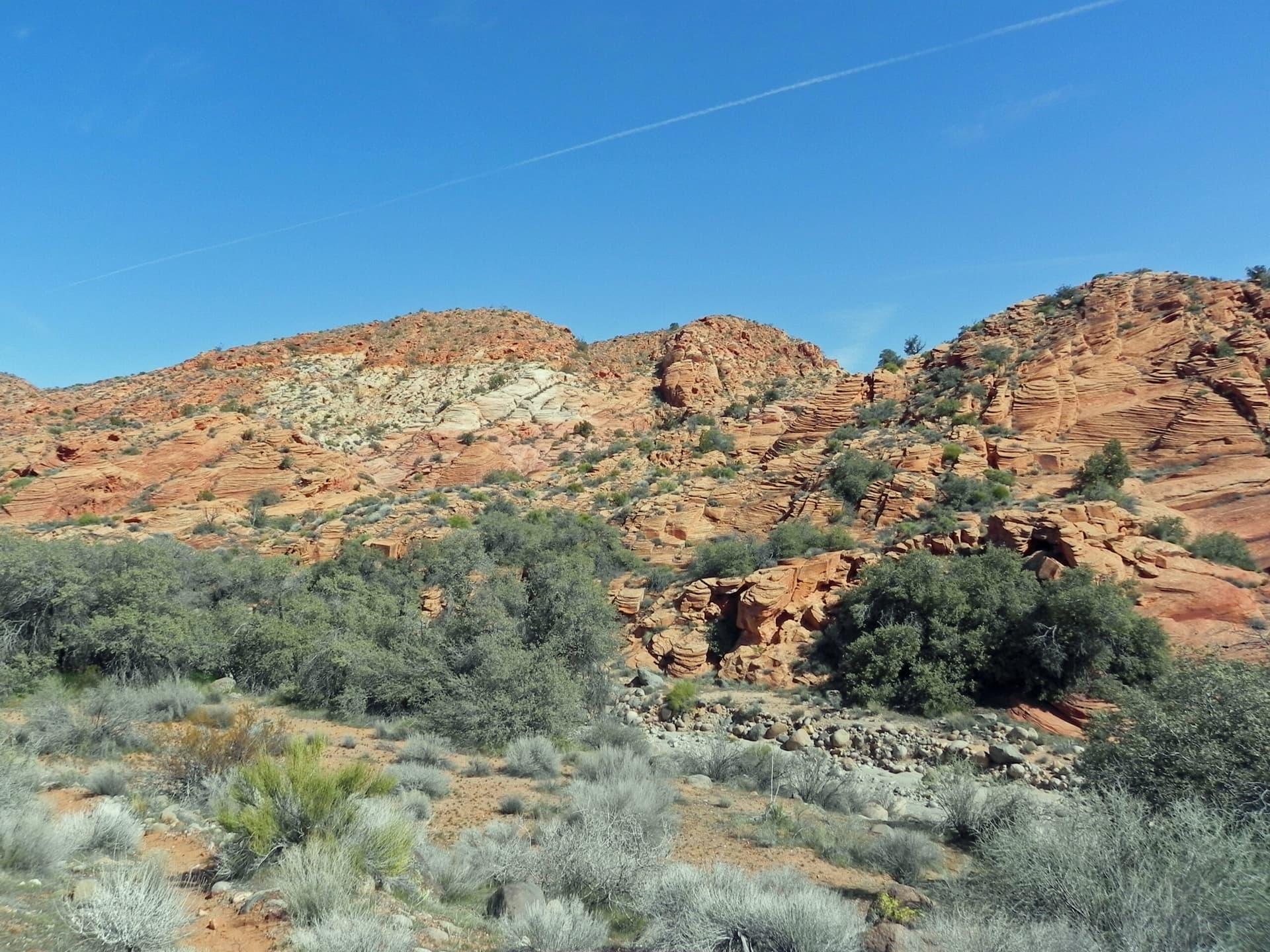
Federal land managers approved construction of the long-disputed Northern Corridor highway north of St. George while at the same time placing roughly 6,800–7,000 acres known as Zone 6 under permanent protection, locking in safeguards for Moe’s Valley and nearby mountain-bike and climbing terrain.
The Bureau of Land Management issued the right-of-way after reviews and public comment, and the agency announced that it “approved construction of the Northern Corridor highway in Washington County” in a press release. Utah Department of Transportation applied for the right-of-way in 2018; construction will use 153 acres of land, according to Snow. The road is planned as a four-lane corridor passing through parts of the Red Cliffs National Conservation Area and designated desert tortoise critical habitat.
Zone 6 is described in reporting as about 6,800 acres in one account and nearly 7,000 acres in another. That area includes Moe’s Valley, a sandstone bouldering area about 15 minutes west of St. George with more than 300 climbing routes, along with popular non-motorized trails and other recreation features. The permanent protections stem from a 2021 mitigation offer by Washington County and the state to protect Zone 6 in exchange for routing the highway; those protections lapsed when federal agencies rejected the corridor in December 2024, leaving the climbing area vulnerable to private development described as potential “luxury home lots.”
The BLM’s 2024 Supplemental Environmental Impact Statement warned of significant harms from the project, saying the proposal “would increase wildfire probability and frequency, permanently eliminate designated critical tortoise habitat, spread noxious weeds and invasive plants, and harm more cultural and historical resources than any alternative considered.” Conservation groups added that the Northern Corridor “would carve a four-lane, high-speed road through designated critical habitat for the threatened Mojave desert tortoise within Red Cliffs National Conservation Area, damage iconic red rock landscapes, disrupt treasured outdoor recreation opportunities, and set a dangerous precedent for Congressionally-protected public lands across the U.S.”
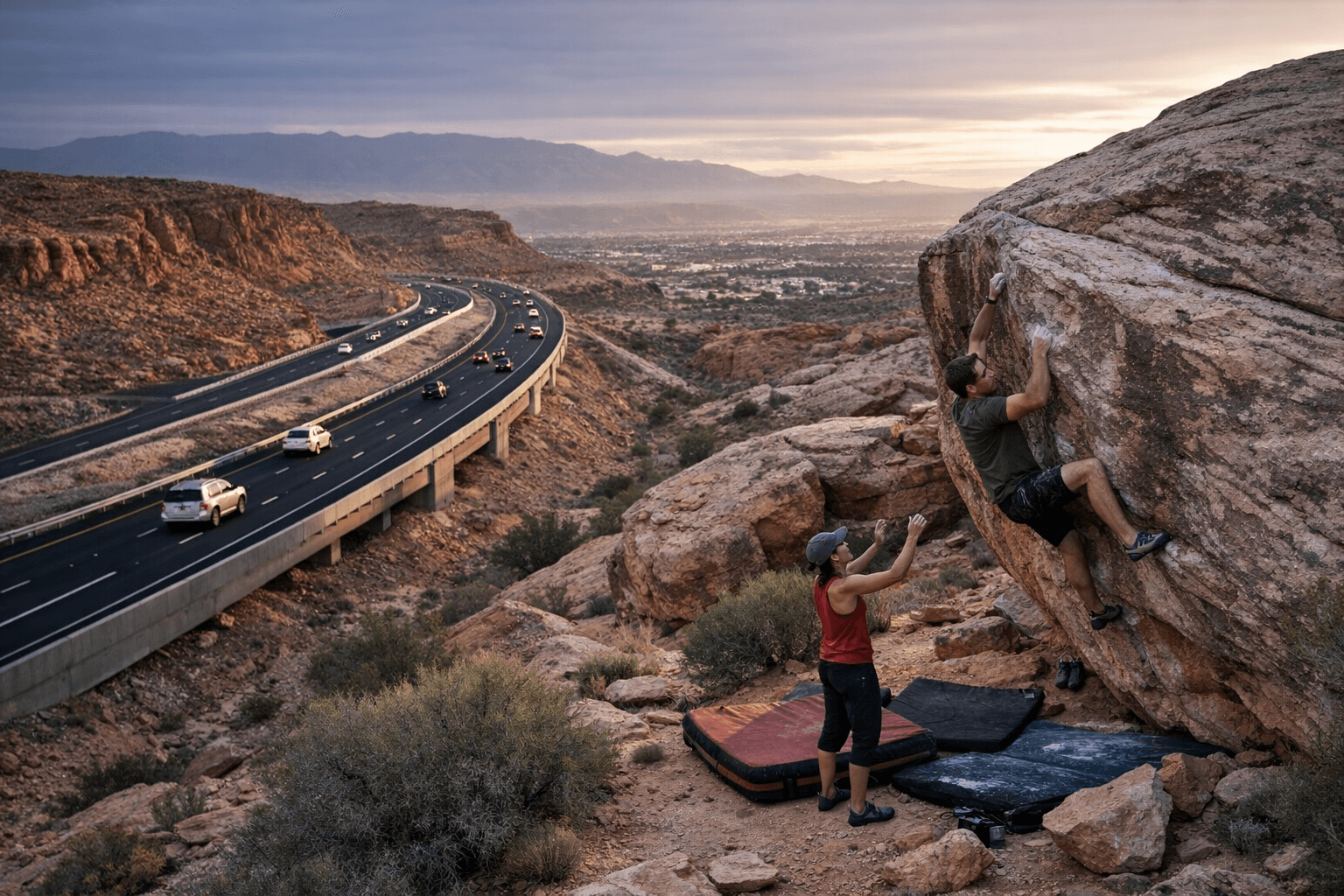
Local officials and supporters frame the decision as a practical trade-off to relieve congestion in a fast-growing region. Washington County officials say the corridor would “cut peak-time traffic by 15 percent,” and supporters note that Congress anticipated a corridor when creating the Red Cliffs NCA in 2009. BLM officials said the agency reviewed multiple environmental impact statements and public comments before issuing the right-of-way. The agency’s press materials also note that the BLM manages about 245 million acres of public land and administers 700 million acres of sub-surface mineral estate; media contact was listed as Ashley Snipes, and the St. George Field Office can be reached at 435-688-3200. Check the BLM National NEPA Register for official documents.
The decision has split the outdoor community. Fallon Rowe, vice president of the St. George Climbers Coalition, said last year, “I have yet to see a pragmatic proposal of how we can have our cake and eat it too. No one has been able to produce a legitimate plan” to both block the highway and protect Zone 6. Conservation groups’ spokesperson Wittik (name also spelled Wittek in group materials) called the push for the road “illegal” in light of the BLM’s 2024 findings and argued that protecting Greater Moe’s Valley does not require approving the highway.
Legal battles that followed earlier approvals are likely to continue: conservation groups previously sued over past right-of-way approvals, alleging violations of the Omnibus Public Land Management Act, Endangered Species Act, NEPA, National Historic Preservation Act, and other laws. Expect litigation and requests for maps, mitigation agreements, and full SEIS documents to determine how construction timelines and the new Zone 6 protections will play out in practice.
Know something we missed? Have a correction or additional information?
Submit a Tip