Blood tests for Alzheimer’s move closer to routine diagnosis
A 2025 FDA clearance and a 2024 burst of data pushed Alzheimer’s blood tests closer to routine care, but access, cost and specialist oversight still limit their reach.
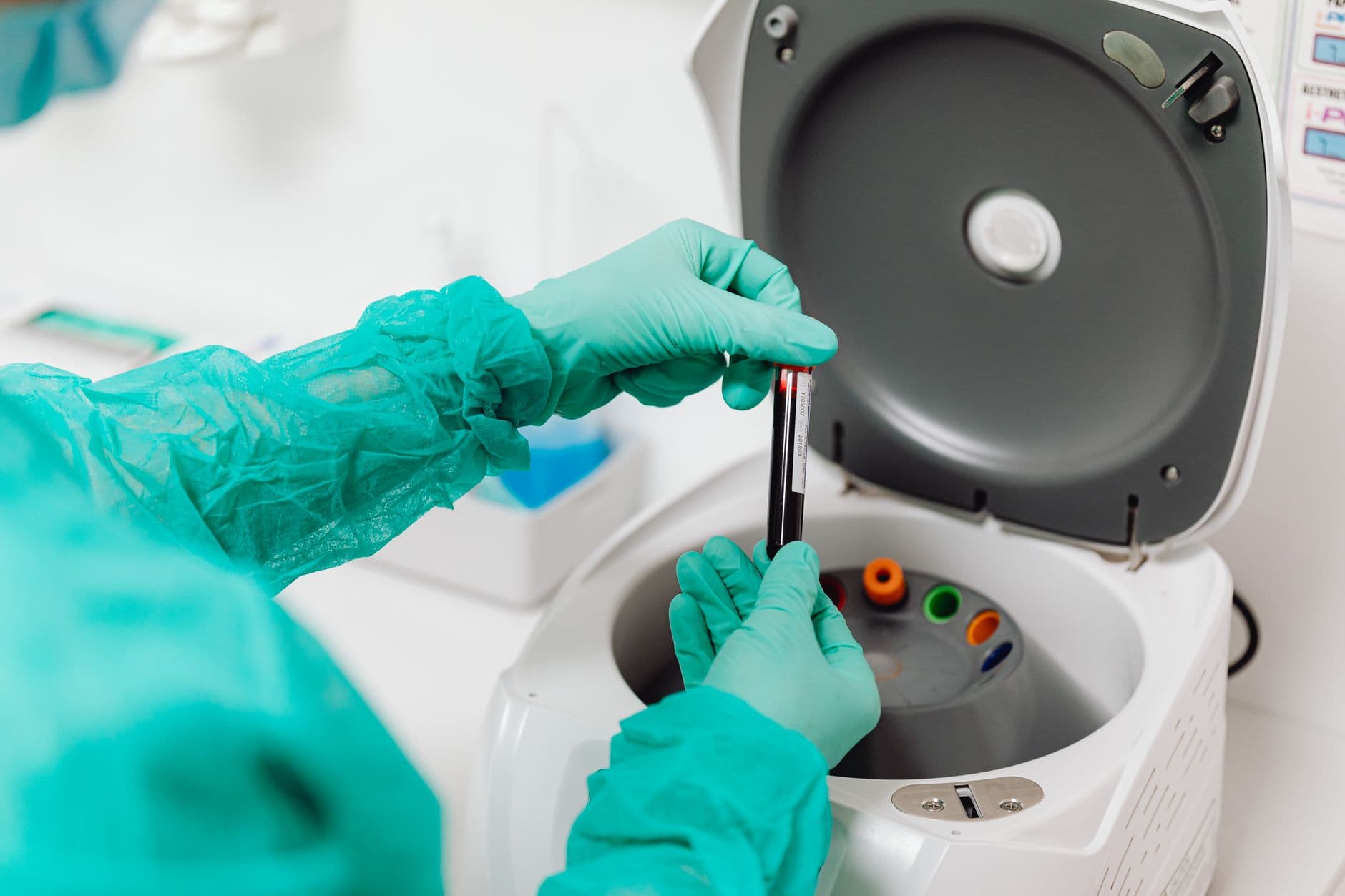
A blood test cleared by the Food and Drug Administration in 2025 brought Alzheimer’s diagnosis a step closer to routine office use, but the new science still stops short of replacing a full clinical workup. The test, Fujirebio’s Lumipulse G pTau217/-Amyloid 1-42 Plasma Ratio, was cleared for adults 55 and older who have signs and symptoms of Alzheimer’s disease, and it is meant to aid early detection of amyloid plaques, not stand alone as a diagnosis.
At the Alzheimer’s Association International Conference in Philadelphia in 2024, more than 14,000 people gathered to hear studies suggesting that highly accurate blood tests could improve diagnostic accuracy, speed access to research enrollment and treatment, and move closer to use in physicians’ offices. Blood testing is only one part of the diagnostic process.

The strongest single-marker data centered on plasma p-tau217. A 2024 National Institutes of Health summary put the blood test’s prediction of an Alzheimer’s diagnosis at 88% to 92% accuracy, and said measuring p-tau217 alone performed about as well as using both blood measures. A Nature study that year found that plasma %p-tau217 was clinically equivalent for classifying amyloid PET status and superior for classifying tau PET status compared with clinically used, FDA-approved cerebrospinal fluid tests.
A JAMA study published July 28, 2024 found that changes in Alzheimer’s disease blood biomarkers in late midlife were associated with incident late-life dementia, and linked those biomarker changes with potentially modifiable risks such as hypertension and diabetes. A JAMA commentary traced the field’s arc from cerebrospinal fluid tests in the 1990s to amyloid PET in the early 2000s and tau PET in 2010, while noting that PET scans remain expensive and are not widely available.

In July 2025, the Alzheimer’s Association released its first clinical practice guideline for blood-based biomarker tests in specialty care, aimed at neurologists, geriatricians, psychiatrists and memory clinics. The guidelines call for informed consent and patient-centered communication.
This article was produced by Prism’s automated news system from verified source data, official records, and press releases, then run through automated quality and moderation checks before publishing. The system is built and supervised by the people who set the standards it runs under. Read our full AI policy.
Did this article answer your question?