Blue Envelope Program helps police calm traffic stops for autistic drivers
A blue envelope can turn a tense stop into a clearer exchange, and Massachusetts says more than 12,000 have already been handed out.
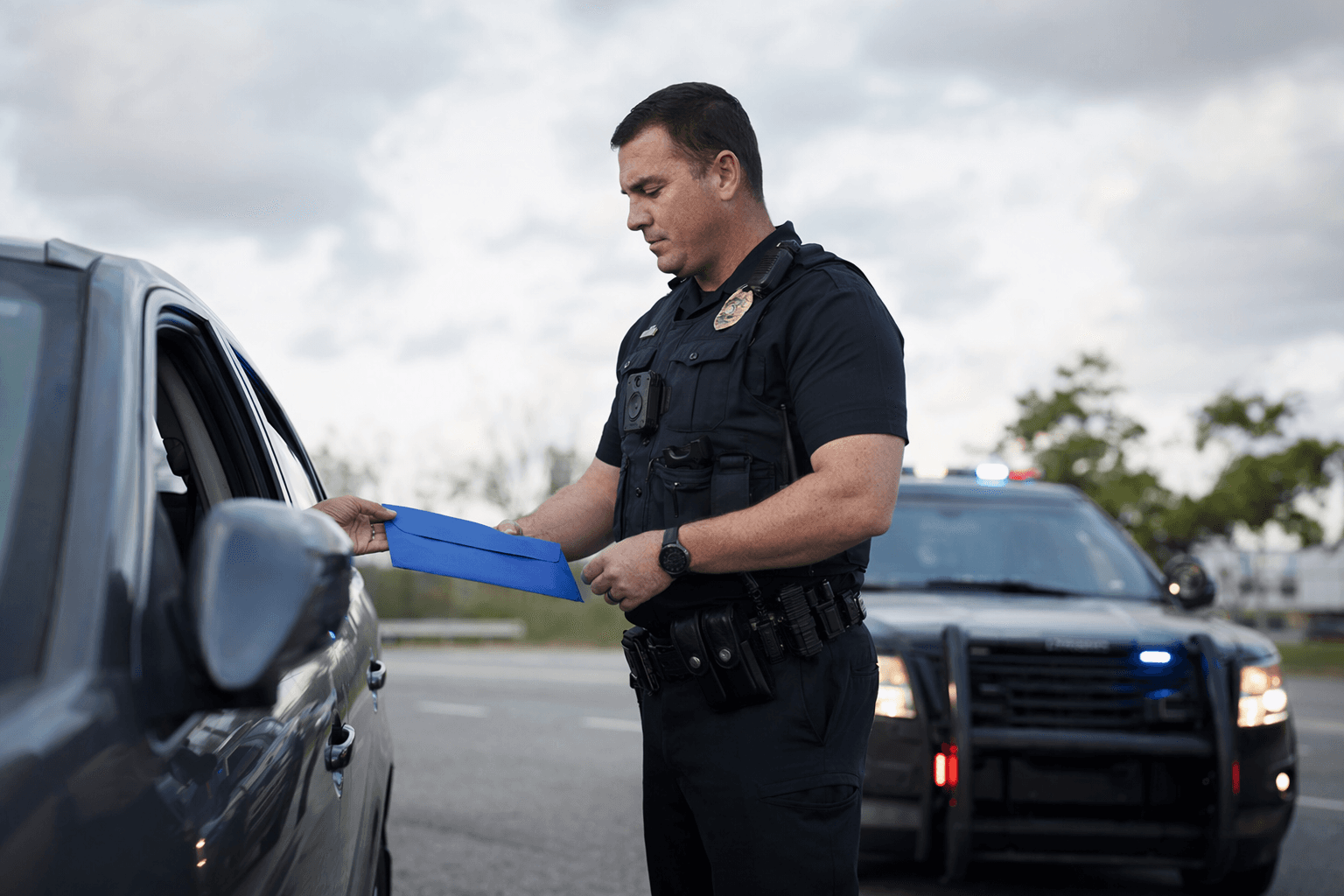
A blue envelope tucked in a glove box is meant to slow a traffic stop before confusion takes over. For autistic drivers, the program gives officers a visible cue and gives motorists a simple way to hand over a license, registration and insurance card without fumbling through a stressful exchange.
Connecticut built the model into law, with the state’s blue envelope system taking effect on January 1, 2020. The Connecticut Department of Motor Vehicles says the envelope is designed to improve communication between police officers and people with autism spectrum disorder, and that envelopes are available at DMV locations, police stations, driving schools and through autism advocacy groups. The state’s version also includes written information and guidance for officers on how to communicate more effectively during a stop.
The idea has since spread. Virginia DMV offers a Blue Envelope Program for drivers diagnosed with autism spectrum disorder, and Massachusetts has turned its own version into a broader statewide effort. There, the initiative grew out of a partnership involving the Massachusetts Chiefs of Police Association, Massachusetts State Police, Advocates for Autism of Massachusetts and The Arc of Massachusetts, with input from autistic people and families. On July 24, 2025, Massachusetts lawmakers passed a bill to make the program permanent.
The scale in Massachusetts suggests the concept has moved beyond a pilot. By late April 2026, state police had distributed more than 12,000 blue envelopes since rolling out the program in April 2024. That kind of uptake matters in public safety because it shows the program is being used in real encounters, not just announced as a good idea.

Chief Geoff Guttschow, who has an autistic child who drives, said the envelope gives officers a tool to recognize when a driver may need additional communication support. The program’s logic is straightforward: reduce ambiguity at the first point of contact, lower the chance that a routine stop escalates, and give both sides a common script for the exchange.
In Antioch, the move fits a broader community-policing and transparency push. The Antioch Police Department says it has 115 sworn officers and 33 non-sworn employees and already maintains a Crisis Intervention Team training outline focused on people with mental illness, intellectual disabilities and substance use disorders. The city’s police oversight commission was created to advise on policies and practices that ensure constitutional policing standards, making the blue envelope a small but visible extension of a larger effort to make stops safer, calmer and more predictable.
This article was produced by Prism’s automated news system from verified source data, official records, and press releases, then run through automated quality and moderation checks before publishing. The system is built and supervised by the people who set the standards it runs under. Read our full AI policy.
Did this article answer your question?