Blue Origin rocket blast could slow NASA's lunar plans
Blue Origin’s New Glenn blew up during a Cape Canaveral test, putting its only launch pad and Moon lander timetable under pressure.
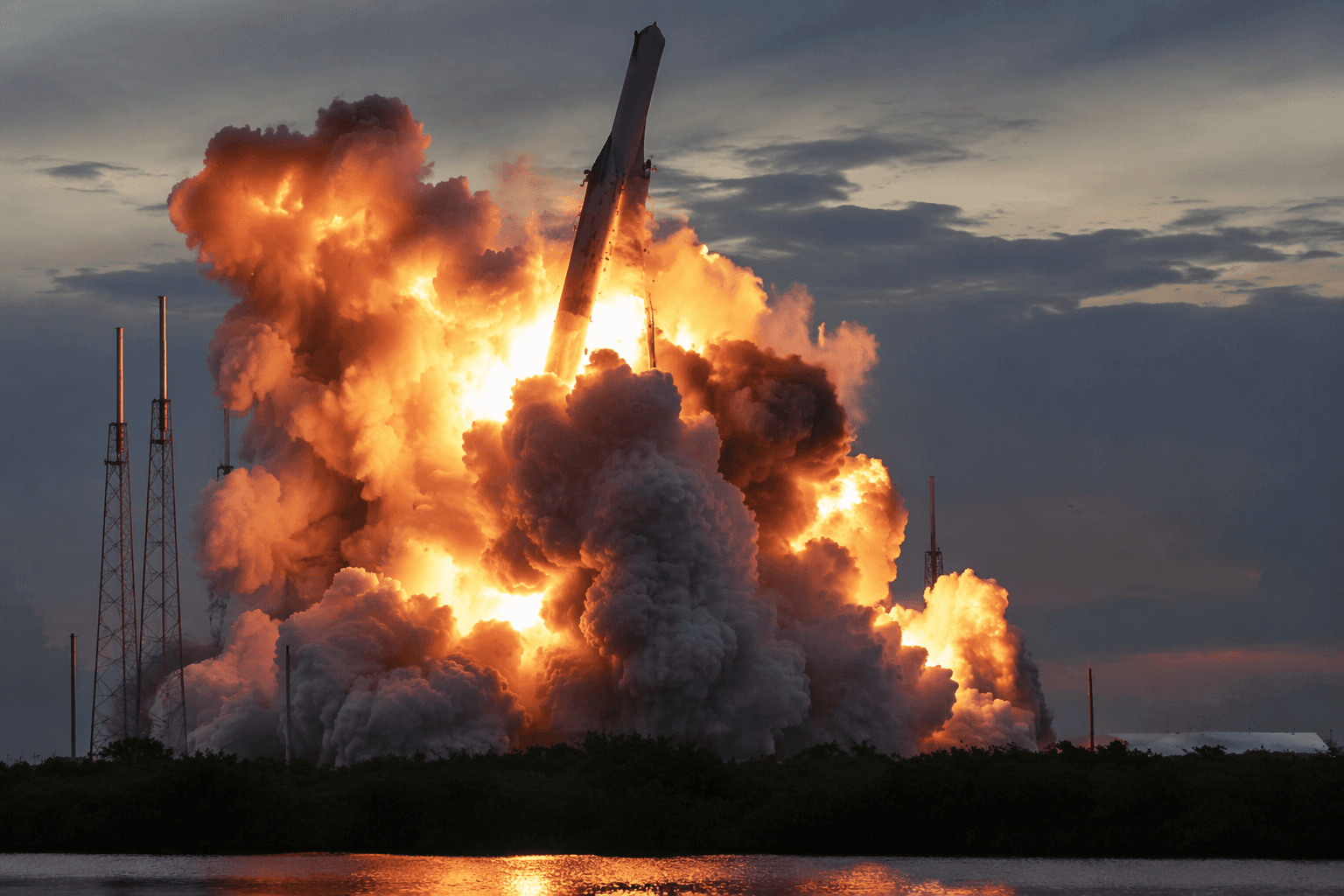
A New Glenn explosion at Cape Canaveral did not injure anyone, but it hit the one rocket Blue Origin needs for its lunar ambitions and raised immediate questions about pad repairs, test cadence and the pace of Artemis hardware work.
Blue Origin said all personnel were safe and accounted for after what it called an anomaly during a static-fire test on May 28 at Space Launch Complex 36. The U.S. Space Force said the incident happened around 9 p.m. Eastern at Cape Canaveral Space Force Station in Florida. Space Launch Complex 36 is the only launch pad equipped to launch New Glenn, which makes any damage there more consequential than a routine test failure.
That distinction matters for NASA’s Moon plan. NASA selected Blue Origin to provide the Blue Moon human landing system for Artemis V, while NASA’s current Human Landing System structure also assigns SpaceX to Artemis III and Artemis IV. In other words, the blast does not directly rewrite the near-term Artemis III and Artemis IV landing schedule, but it can complicate the Blue Origin hardware path that is supposed to support later lunar missions.
NASA’s revised Artemis plan calls for an additional demonstration mission in low Earth orbit in 2027, a Moon landing in 2028, and then at least one lunar surface landing every year after that. Blue Origin’s New Glenn sits underneath that architecture. Blue Moon Mark 1 is designed as a single-launch cargo lander that can deliver up to three metric tons anywhere on the lunar surface, and Blue Moon Mark 2 is intended to carry crew. If New Glenn is delayed, the pressure falls not only on launch operations but also on the sequence of lander testing, payload delivery and mission validation tied to those vehicles.
The explosion also comes after Blue Origin had started to build momentum. The company completed New Glenn’s second mission on November 13, 2025, and landed the booster on the Jacklyn platform in the Atlantic Ocean after its first orbital flight earlier that year. That makes the May 28 failure look less like a program-ending blow than a serious interruption in a campaign that had just begun to stabilize.
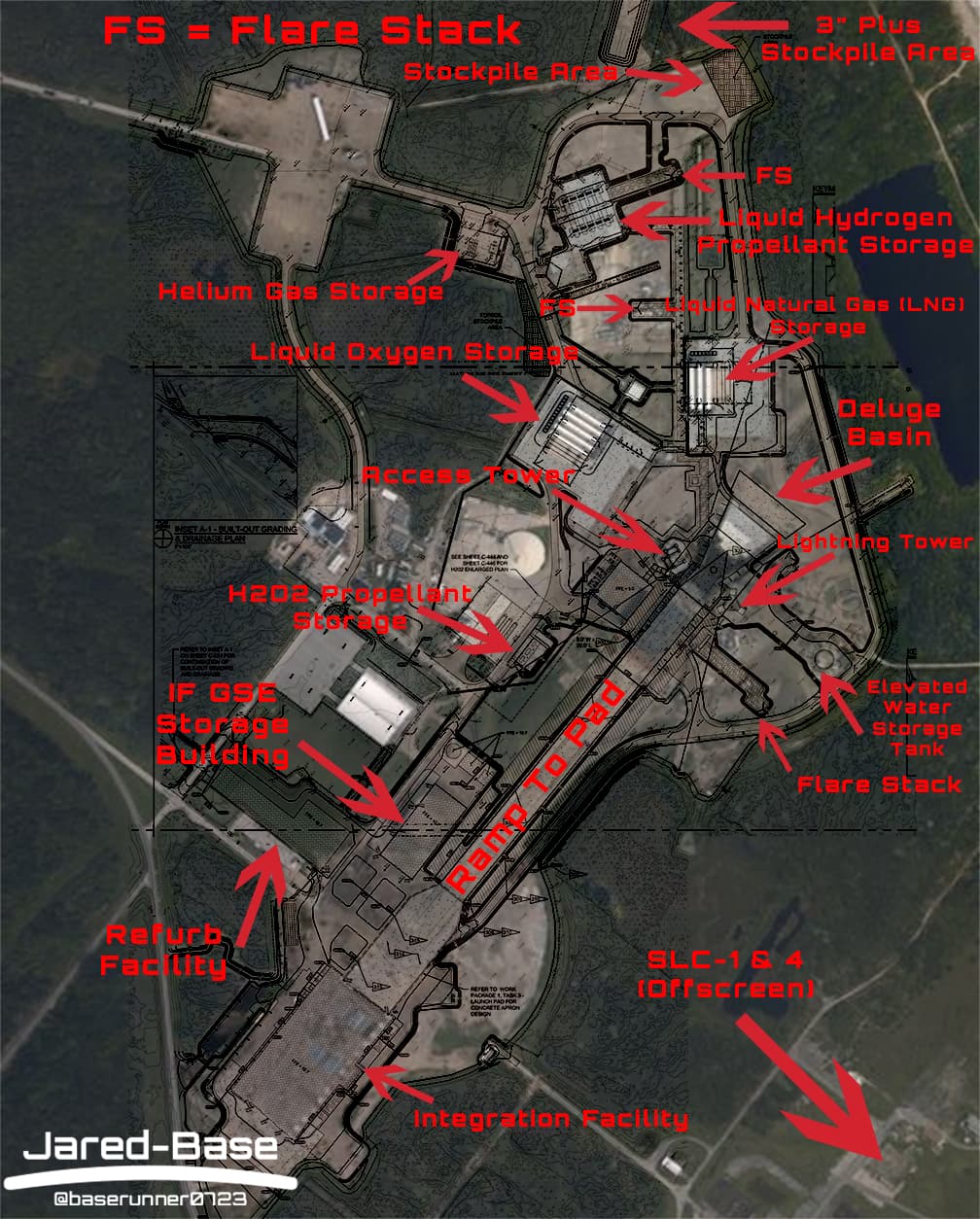
For NASA and Blue Origin, the immediate damage may be less about a single dramatic blast than about time. Any inspection of Launch Complex 36, any repair to ground equipment and any pause in New Glenn testing could push back the next milestones that matter most for Artemis V. The rocket failure did not alter the Moon race overnight, but it did place the schedule, the pad and Blue Origin’s credibility under a sharper test.
This article was produced by Prism’s automated news system from verified source data, official records, and press releases, then run through automated quality and moderation checks before publishing. The system is built and supervised by the people who set the standards it runs under. Read our full AI policy.
Did this article answer your question?