Bodycam footage shows Tennessee troopers targeting Black, brown drivers on traffic stops
More than 50 hours of body-cam video show Tennessee troopers asking drivers where they were born, then handcuffing many who stayed silent or had foreign IDs.
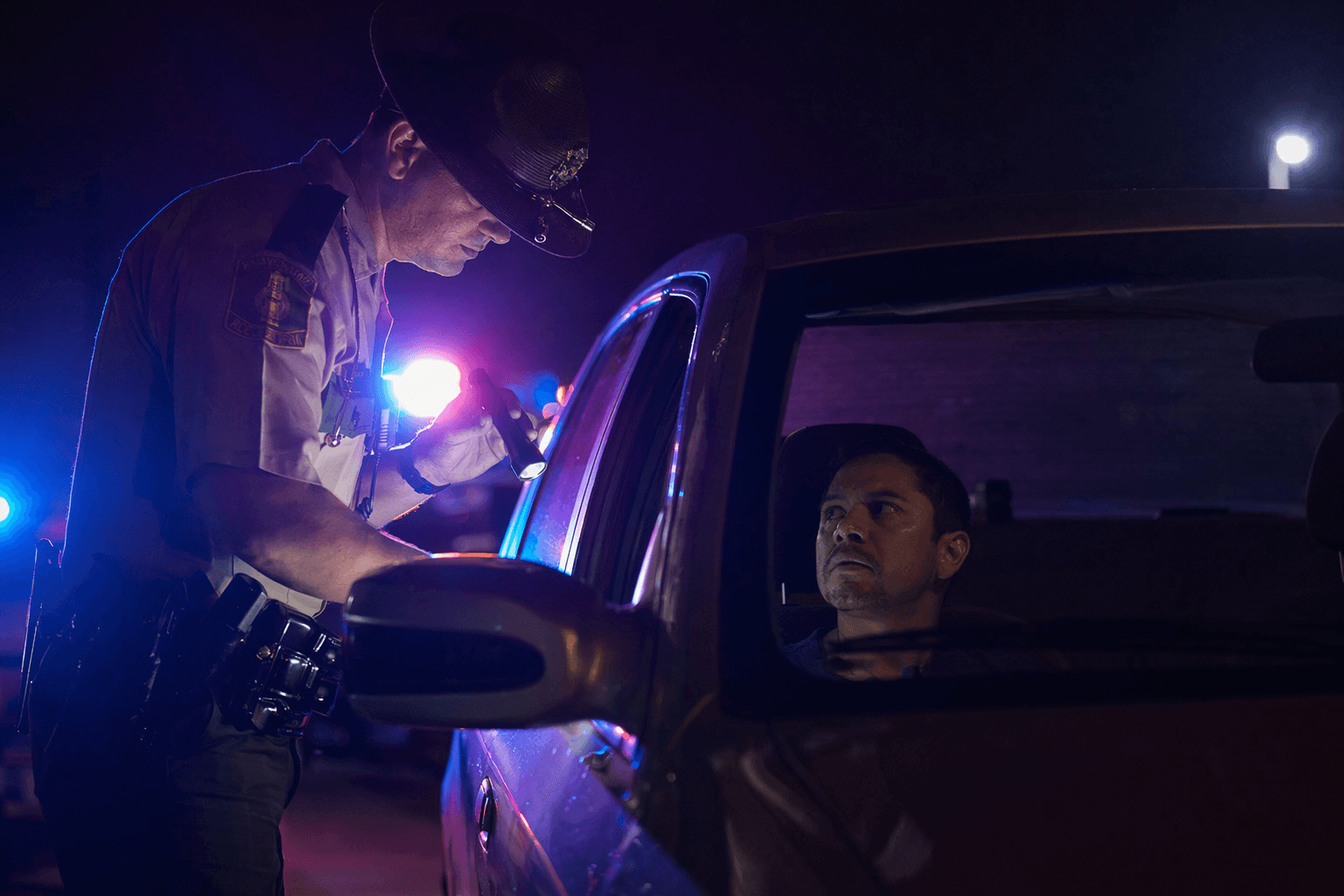
More than 50 hours of body-camera footage from a Tennessee Highway Patrol and U.S. Immigration and Customs Enforcement operation in Nashville shows troopers using minor traffic stops as a gateway to immigration enforcement against Black and brown drivers. The weekend of May 3, 2025, the joint operation led to more than 100 immigration arrests, and the footage, more than 200 videos in all, has renewed questions about whether race, accent and perceived nationality shaped who was pulled aside, questioned and taken away.
Tennessee Highway Patrol said 10 troopers worked that night with ICE agents and that the stops were tied to “hazardous traffic violations.” But the videos repeatedly show troopers shifting from traffic enforcement to immigration screening, asking drivers where they were born and pressing for a more believable answer when an accent was detected. In one clip, a white driver was stopped and the trooper did not ask the passenger for identification. In other stops involving minority drivers, the questions quickly turned to birthplace, papers and who else was in the car.
The footage suggests a pattern: drivers who refused to answer, stayed silent, lacked identification or carried identification from another country were almost always taken away in handcuffs. The stops were obtained in partnership with the Tennessee Immigrant and Refugee Rights Coalition after the group sued for more information about the operation. The reporting was done in collaboration with Lighthouse Reports, Mother Jones/Center for Investigative Reporting, the Nashville Banner, Nashville Noticias and the Institute for Public Service Reporting.
The legal fault line runs through Whren v. United States, the Supreme Court’s June 10, 1996, decision holding that subjective intentions do not control ordinary probable-cause Fourth Amendment analysis. Critics have long argued that ruling made pretextual traffic stops easier to defend, even when officers use a minor violation as cover for broader searches or investigations. Civil-rights advocates say that framework has helped normalize stops that fall hardest on Black and brown motorists and, in immigration settings, can turn traffic policing into a dragnet for deportation.
Allen King, an immigration attorney, said, “We’re no longer saying ‘innocent until proven guilty.’ We’re saying ‘guilty until proven innocent’ - and it seems to me that the people that they’re assuming to be guilty all look a certain way.”
The broader concern reaches beyond Tennessee. The American Civil Liberties Union has argued that ICE’s 287(g) partnerships turn local police into deportation agents, and the ACLU of Southern California said after a 2025 Supreme Court ruling in Los Angeles that the order put people at grave risk by allowing federal agents to target individuals because of race, language, work or location. A ruling that narrows constitutional scrutiny of these stops would not just shape one Nashville operation. It would define how much discretion police and federal immigration agents can wield on ordinary roads across the country.
This article was produced by Prism’s automated news system from verified source data, official records, and press releases, then run through automated quality and moderation checks before publishing. The system is built and supervised by the people who set the standards it runs under. Read our full AI policy.
Did this article answer your question?

