Bolivia expels Colombia’s ambassador amid rising anti-government protests
Bolivia pushed Colombia’s ambassador out after Gustavo Petro called the unrest a popular insurrection, widening a protest crisis into a diplomatic fight.

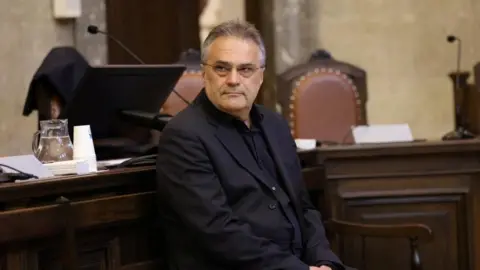
Bolivia told Colombia’s ambassador to leave the country as anti-government protests intensified, saying the diplomat’s conduct had crossed sovereignty lines and interfered in domestic affairs. The government cast the move as a defense of national authority at a moment when unrest, street pressure and political legitimacy were colliding in La Paz.
The expulsion followed comments by Colombian President Gustavo Petro on May 17, when he described Bolivia’s turmoil as a “popular insurrection” in a post on X. Bolivia’s foreign ministry said the decision did not amount to a break in diplomatic ties with Colombia, but it made clear that foreign leaders would not be allowed to define the meaning of Bolivia’s internal conflict. Petro later said his government was prepared to help mediate the crisis, but Bolivia rejected that offer.
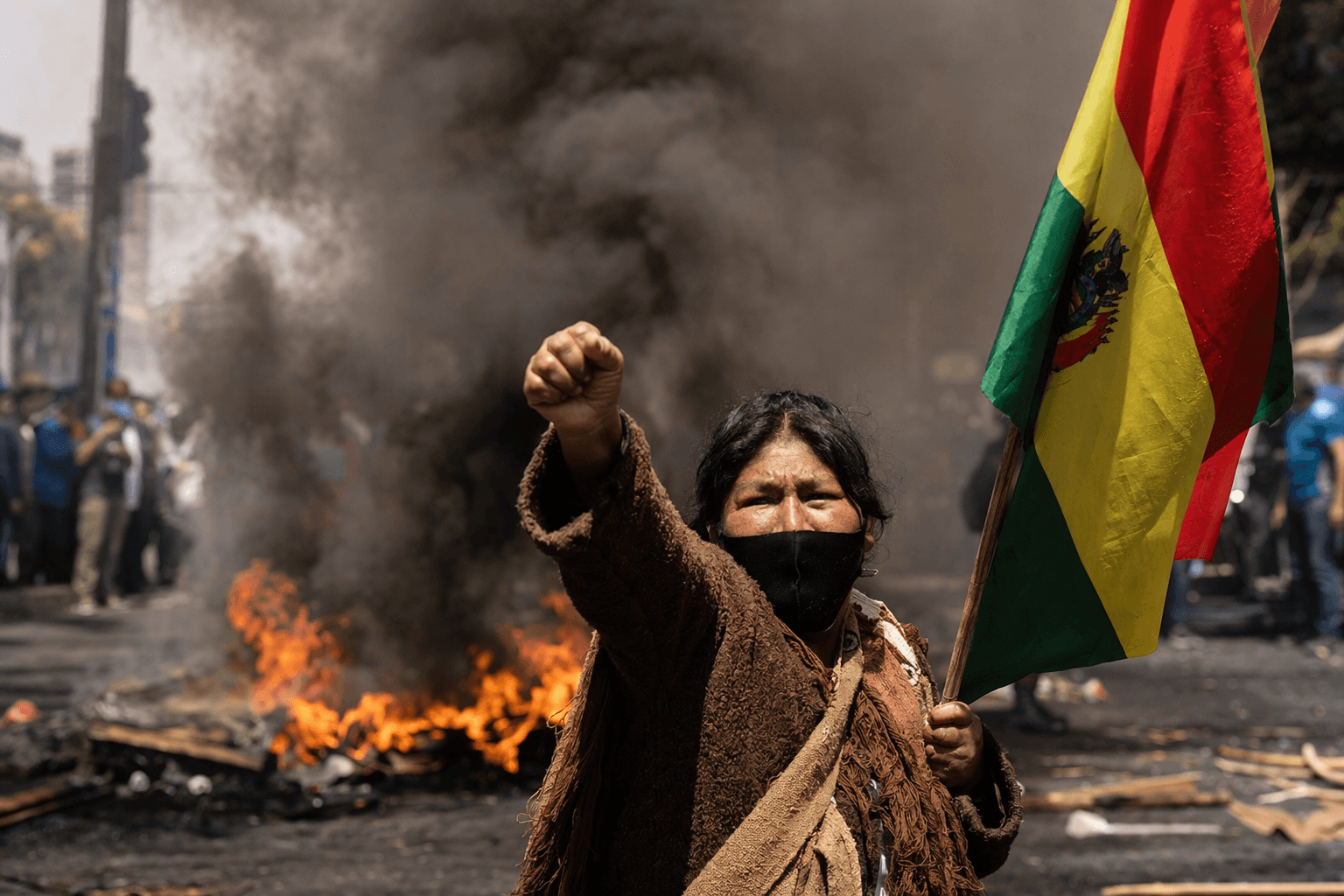
The dispute lands in the middle of a broader wave of demonstrations involving unions, miners, transport workers and rural groups. Some protesters have demanded that President Rodrigo Paz resign, turning the unrest into both a social and political challenge. The pressure has already spread beyond the streets: banks temporarily closed branches in La Paz on May 19 over security concerns, a sign that the unrest was beginning to affect ordinary commerce as well as government authority.
The tensions have also sharpened into open confrontation. On May 14, violent clashes broke out in La Paz when miners confronted police near Plaza Murillo. Reporting two days later said the government had sent about 3,500 soldiers and police to clear roadblocks outside the capital. That security response underscored how quickly protests had escalated from a domestic dispute over austerity and living costs into a test of state control.
The diplomatic fallout matters well beyond one ambassador. Christopher Landau, the U.S. deputy secretary of state, said he had spoken with Paz and was very concerned about the situation. With Bolivia and Colombia both embedded in a region where political rhetoric travels fast and social media can harden into foreign-policy crisis, the episode has become a warning about how fragile governments react when outside scrutiny lands in the middle of domestic unrest.
Know something we missed? Have a correction or additional information?
Submit a Tip