Bond investors watch UK local elections as inflation and debt fears rise
Thirty-year gilt yields hit their highest level since 1998 as local votes tested Keir Starmer and investors braced for more inflation shock from the Middle East.

Bond investors kept a close watch on Britain’s local elections on Thursday, May 7, 2026, as a poor Labour result threatened to deepen political turmoil and narrow Keir Starmer’s room to maneuver on spending and taxes. Around 5,000 councillors were being elected across roughly 136 English councils, with devolved contests also under way in Scotland and Wales, making the vote one of the biggest tests of Labour’s authority since taking power.
Markets were not treating the ballot as a routine local contest. Global investors feared that losses for the Labour Party could sharpen pressure on Starmer from within his own ranks and revive talk of a leadership challenge, especially with Reform UK and the Green Party both expected to make gains. That mattered because any sign of governing instability risked feeding a broader selloff in UK assets, including gilts and sterling.
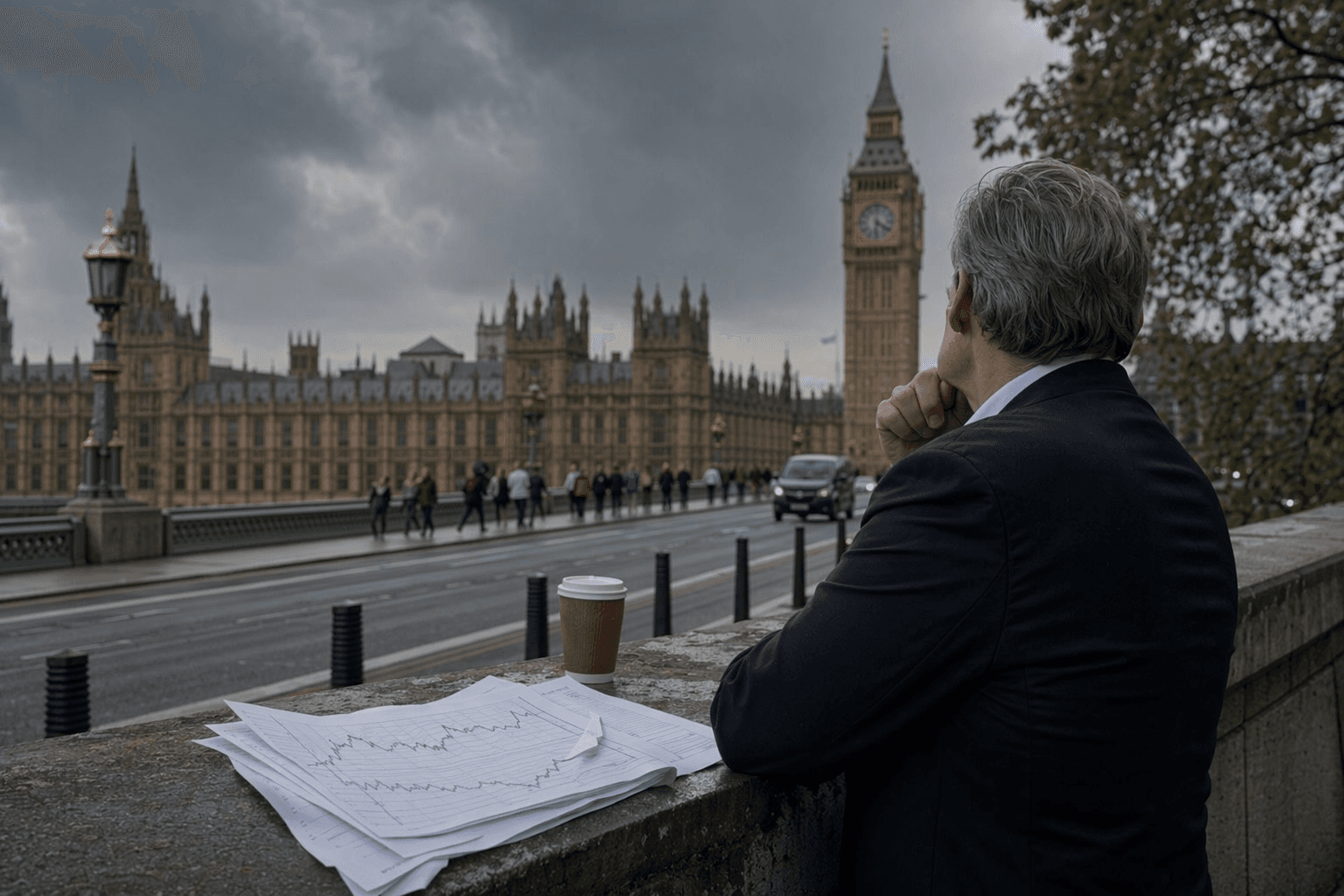
The bond market was already on edge. UK 30-year gilt yields climbed to their highest level since 1998 this week, a move market commentary linked to both higher inflation pressure from the Middle East conflict and political uncertainty at home. Rising energy costs have added to fears that inflation could stay sticky, keeping the Bank of England cautious and leaving long-term borrowing costs elevated for longer.
That is where the politics turns into a household issue. Higher gilt yields lift the government’s own borrowing costs, making it more expensive to finance day-to-day spending and longer-term investment. They also feed through to mortgage pricing and the wider cost of credit, which can hit homeowners just as ministers face tougher trade-offs over taxes and public services.
The pressure on Rachel Reeves was also visible in the fiscal numbers. The Office for Budget Responsibility published its latest Economic and Fiscal Outlook on March 3, 2026, and Reuters reported that Reeves said the government had a bigger margin for error against its fiscal target than previously thought. Even so, the buffer was still viewed as relatively small, leaving HM Treasury exposed if growth weakens or borrowing costs stay high.
For investors, the local elections were not only a measure of Starmer’s political standing. They were a live test of whether Britain could avoid a new round of fiscal anxiety just as war-related inflation risks and record-high long-dated borrowing costs were already squeezing the government’s options.
This article was produced by Prism’s automated news system from verified source data, official records, and press releases, then run through automated quality and moderation checks before publishing. The system is built and supervised by the people who set the standards it runs under. Read our full AI policy.
Did this article answer your question?

