Lawsuit Accuses Cento of Mislabeling Tomato Products as San Marzano Certified
Cento faces a California class action accusing it of selling tomato cans that implied official San Marzano certification, a premium label tied to protected Italian origin.
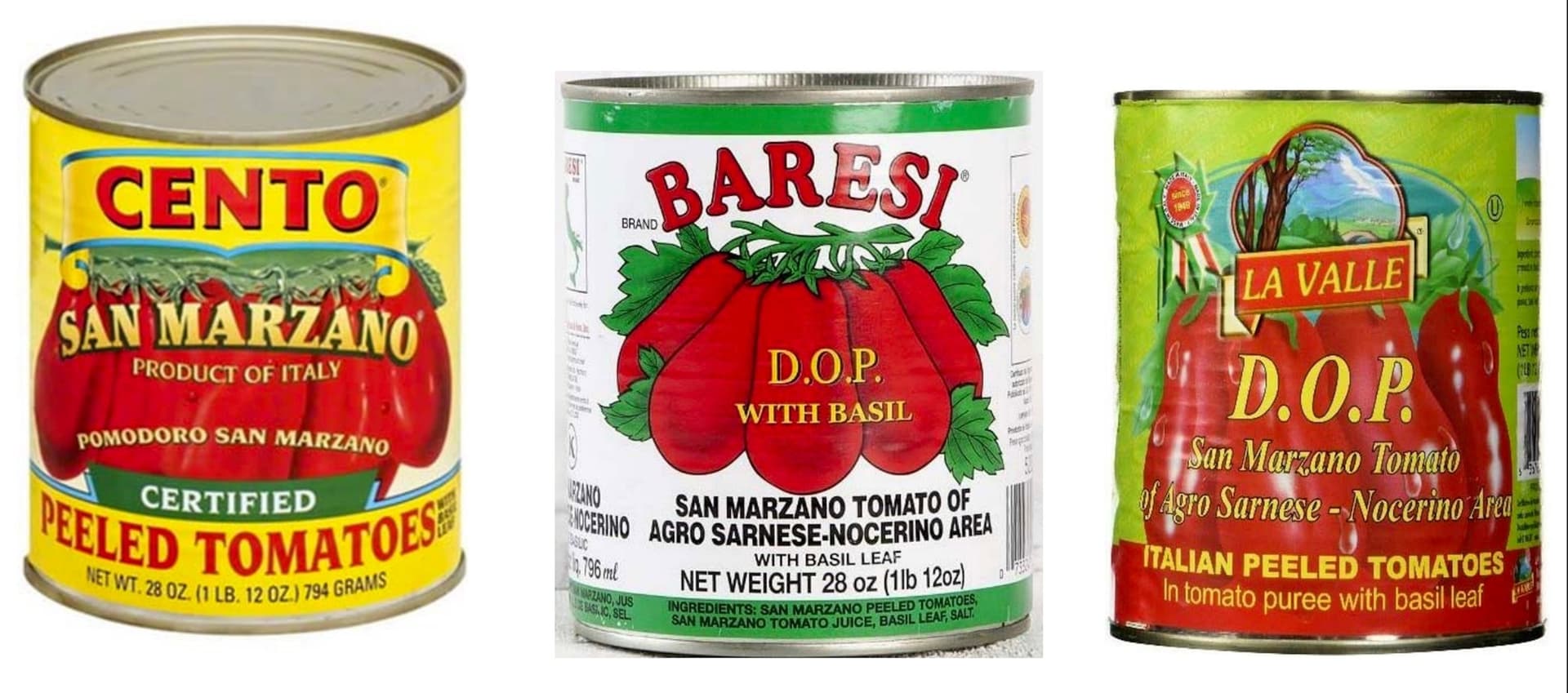
A California lawsuit is putting one of the food aisle’s most valuable promises under a legal microscope: whether a can labeled San Marzano really delivers the protected origin and authenticity shoppers think they are buying.
Filed Monday in the U.S. District Court for the Northern District of California by two California residents, the proposed class action accuses Cento Fine Foods of “tomato fraud.” The suit says Cento illegally and falsely branded its tomato products as containing San Marzano Certified tomatoes, creating “an erroneous impression” that the cans held DOP-certified fruit of equivalent quality. San Marzano tomatoes are a plum variety from Italy’s Campania region, prized for their sweet, concentrated flavor and often described as the “Ferrari or Prada” of canned tomatoes.
At the center of the case is what the label is supposed to mean. In the European Union, San Marzano tomatoes carry protected status as DOP, or Denominazione d’Origine Protetta, a designation that ties a product to a specific place and production method. The independent consortium Il Consorzio di Tutela del Pomodoro San Marzano DOP says authentic tomatoes are grown exclusively in the Sarnese-Nocerino area, cultivated by hand and subjected to strict quality controls throughout production. Those standards matter because origin claims are not just branding. They are part of the price shoppers pay when they reach for imported products that signal scarcity, tradition and controlled sourcing.
Cento has said it stopped seeking certification from the consortium in the 2010s over labeling requirements. The lawsuit alleges that removal followed an investigation into “counterfeit DOP labeling.” Cento says its San Marzano tomatoes are certified instead by Agri-Cert, a third-party agency, setting up a dispute over whether that certification is enough to support the company’s marketing.
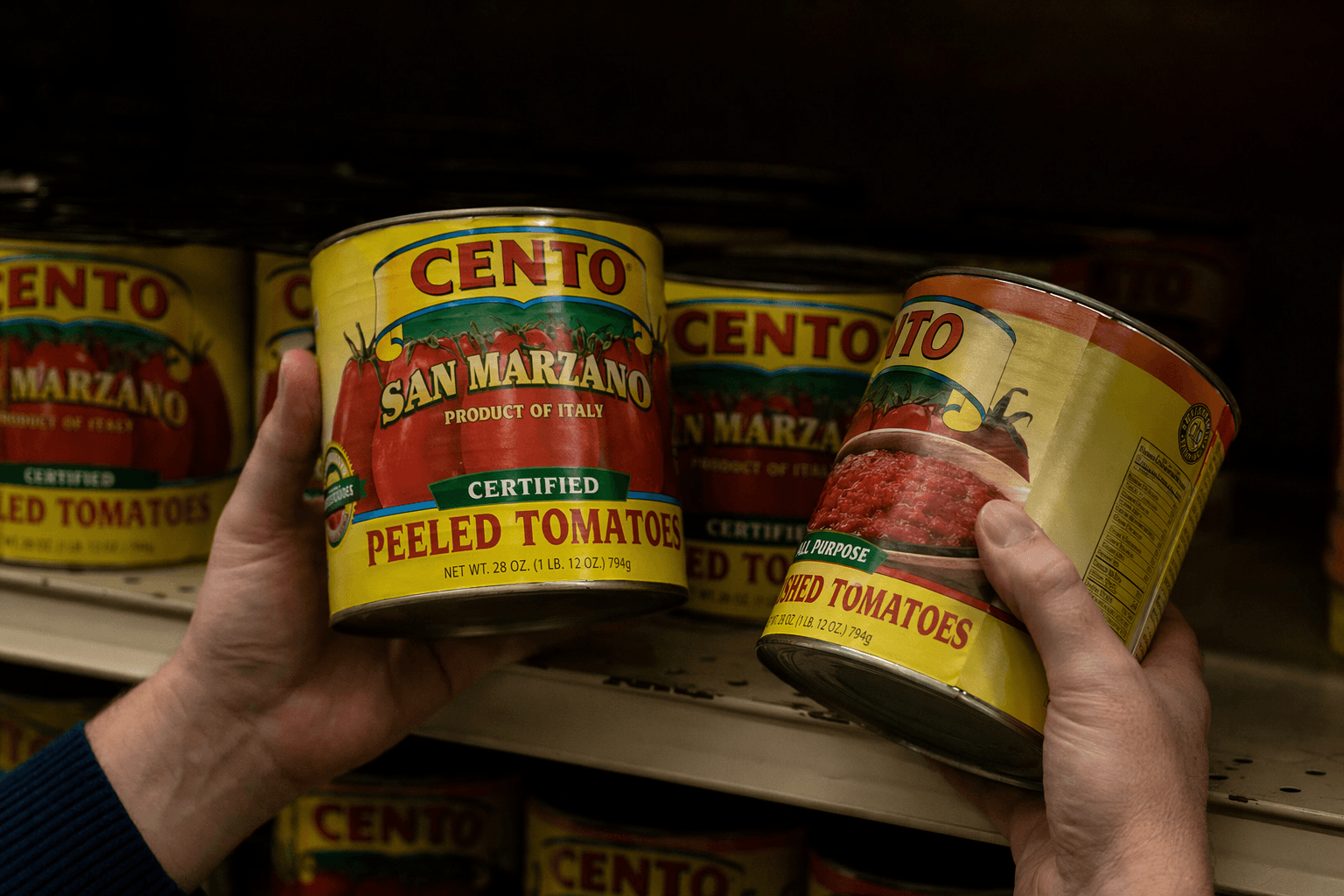
The company has rejected the allegations. A lawyer for Cento said the suit is “entirely without merit” and vowed to “defend this claim vigorously.”
The case highlights how difficult origin claims can be to verify across global supply chains, where packaging, certifications and sourcing documents may not align neatly with consumer expectations. For shoppers paying a premium for imported brands, the question is not only whether the tomatoes were grown in the right soil, but whether the label told the full story.
This article was produced by Prism’s automated news system from verified source data, official records, and press releases, then run through automated quality and moderation checks before publishing. The system is built and supervised by the people who set the standards it runs under. Read our full AI policy.
Did this article answer your question?

