BONSAIENCE Launches Interactive 3D Bonsai Digital Twin Museum for Omiya Collection
Bonsaience launched an interactive online museum of high-fidelity 3D bonsai "digital twins" from the Omiya Bonsai Art Museum, offering study-grade access to museum trees and seasonal growth records.
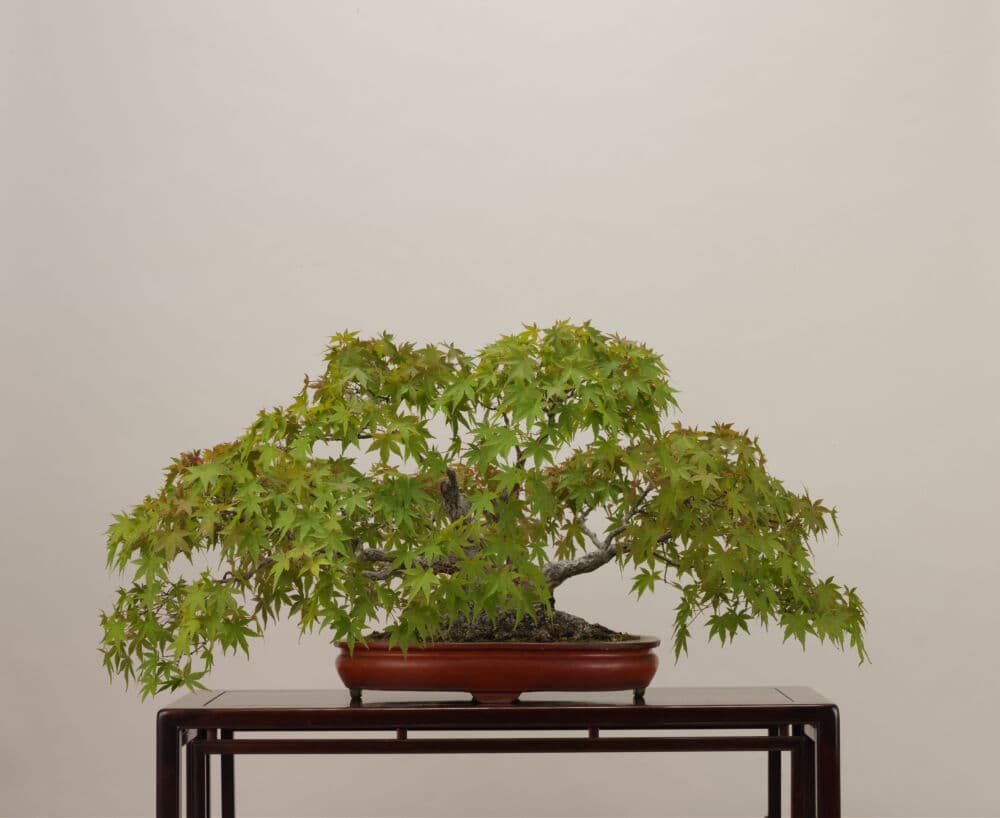
Bonsaience launched the BONSAIENCE Museum on January 20, 2026, publishing high-accuracy 3D models of masterpieces from the Omiya Bonsai Art Museum collection as part of 100th-anniversary-related activities for Omiya Bonsai Village. The project frames itself as "Bonsai × Science," pairing traditional bonsai appreciation with 3D capture, skeletal and sensor algorithms, and scientific analysis to create what the team calls Bonsai Digital Twin models. The initial release includes models of Japanese White Pine (Goyo-matsu), Japanese Black Pine (Kuro-matsu), Shimpaku (Japanese Juniper) and many other specimen trees.
The new site presents interactive 3D models that users can rotate and examine from multiple angles, alongside a curated Collection of named and unnamed museum trees with detailed imagery. For each specimen BONSAIENCE promises seasonal-change records and growth history, documenting leafing, winter structure, jin and shari development, nebari condition, and overall ramification over time. The museum indicates ongoing releases of additional digital models, making the resource a living archive rather than a static catalog.
This launch matters to hobbyists, teachers, and professionals because it expands access to museum-grade material that is otherwise bound by geography and conservation constraints. Bonsaiists can inspect trunk movement, taper, wiring patterns, deadwood work and pot relationships in high resolution without handling the living trees; educators can use the models to demonstrate development phases; researchers can compare growth records across seasons and specimens; and local clubs can build virtual exhibitions or study groups around the digital twins. The platform also serves preservation goals by creating forensic-quality records that may aid restoration or conservation planning.
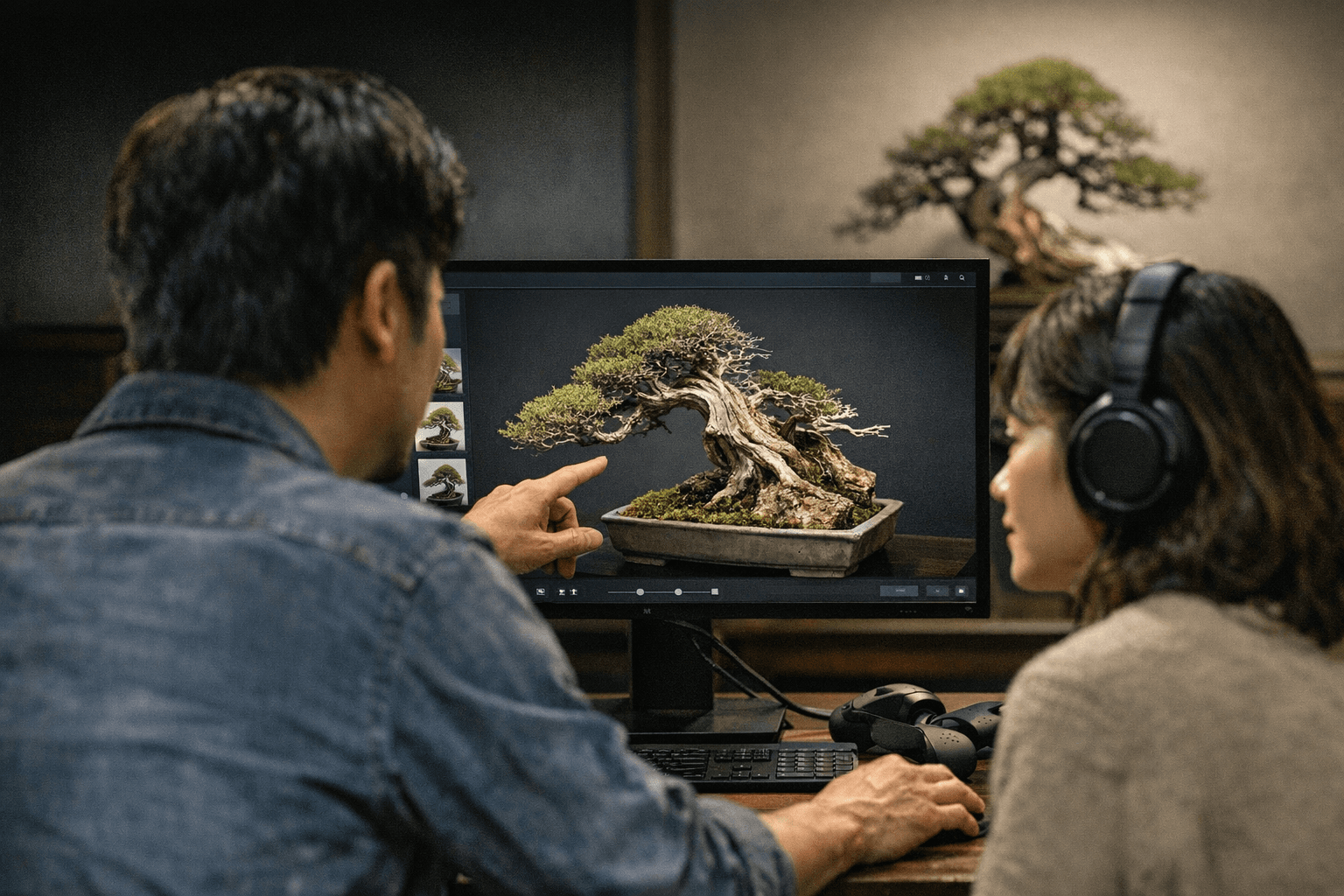
Support for the project came from Japan’s MITOU Advanced Project under the Information-technology Promotion Agency, METI, and the museum positions the digital platform as complementary to in-person visits to Omiya Bonsai Village. The team describes the effort as a way to invite visitors to experience the living presence of bonsai on-site after exploring the digital twins online, rather than as a replacement for seeing living material in person.
Practical next steps are already visible: BONSAIENCE plans regular updates that add specimen models and seasonal archives, and the initial roster gives clear starting points for study. Examine nebari detail on the Goyo-matsu model, compare jin and shari on the Shimpaku twin, or track needle flush patterns on the Kuro-matsu across seasonal captures to get immediate value. Explore the online BONSAIENCE Museum now, then plan a visit to Omiya Bonsai Village to match virtual study with the tactile, olfactory and scale cues that only living trees provide.
Know something we missed? Have a correction or additional information?
Submit a Tip