Border closure boosts Mexico beef, threatens Texas feedlots
A screwworm scare has emptied a West Texas feedlot while Mexican ranchers keep more cattle at home, lifting margins south of the border and strain in Texas.
The border closure tied to New World screwworm is starting to redraw the cattle map between Mexico and Texas. In Lubbock, a feedlot that has been fattening cattle since Dwight Eisenhower was president is now close to shutting down, its pens largely empty after the flow of Mexican cattle dried up.
The pressure is moving in the opposite direction south of the border. In Coahuila, the northern Mexican state that sits closest to the disruption, ranchers and processors have been holding cattle longer, expanding feedlots and building out processing capacity so they can capture more of the value chain at home. Mexican beef exports to the United States rose sharply in the first four months of 2026, a sign that the industry is trying to turn a biosecurity crisis into a commercial advantage.
The outbreak has added urgency on both sides of the line. The U.S. Department of Agriculture said on June 2 that New World screwworm was detected in a goat in Coahuila, about 25 miles from the border, and then confirmed a case in a calf in Zavala County, Texas, on June 3, the first U.S. livestock case in decades. The Centers for Disease Control and Prevention said no locally acquired human infestations had been reported in the United States, but that the parasite has marched northward through Central America and Mexico since 2023, infecting livestock, pets, wildlife and some people.
The economics are already shifting. For Texas feedlots such as Lubbock Feeders, the immediate damage is lost supply and shrinking throughput. For Mexican operators, the same closure is reinforcing a longer-term push to process more cattle domestically instead of shipping animals north unfinished. That alters who captures the margin, and it gives Mexico more leverage in a market long shaped by U.S. feeding capacity.
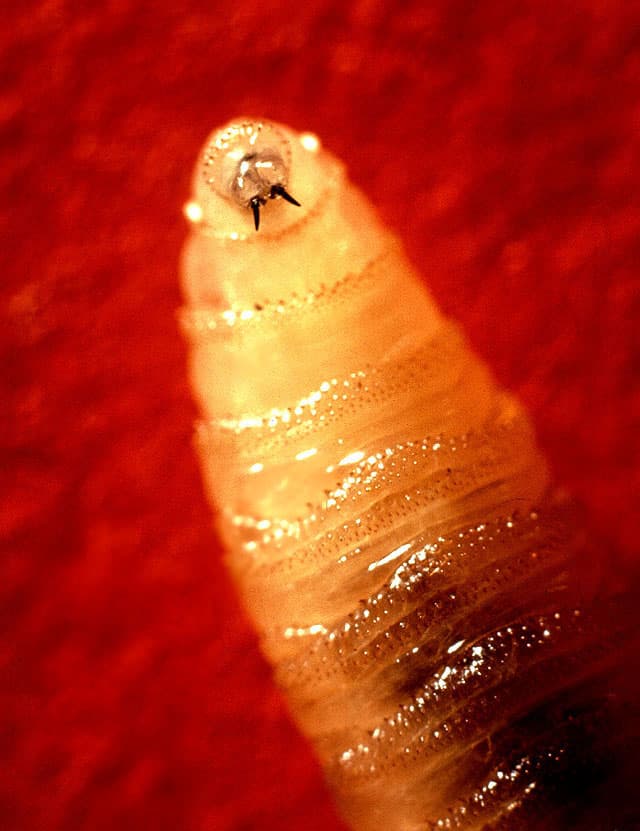
Governments are responding with more than temporary restrictions. Texas Gov. Greg Abbott declared and expanded a state disaster declaration on June 5, and state officials are preparing a response that includes a planned sterile-fly production facility in Edinburg. Canada also tightened its own rules, temporarily restricting livestock from affected parts of the United States, including animals that had been in Texas within the prior 21 days, after federal officials confirmed a second infected Texas calf.
The scale of the threat remains large. USDA said the Mexico outbreak had infested nearly 28,000 animals by early June, underscoring how quickly a livestock parasite has become a cross-border trade, price and biosecurity test with consequences far beyond the ranch gate.
This article was produced by Prism’s automated news system from verified source data, official records, and press releases, then run through automated quality and moderation checks before publishing. The system is built and supervised by the people who set the standards it runs under. Read our full AI policy.
Know something we missed? Have a correction or additional information?
Submit a Tip