SpaceX’s $1.8 trillion IPO could upend markets and index funds
SpaceX’s near-$1.8 trillion debut would force Wall Street to rewrite the buying rules. S&P 500 funds may wait, but Nasdaq trackers may be compelled to move fast.
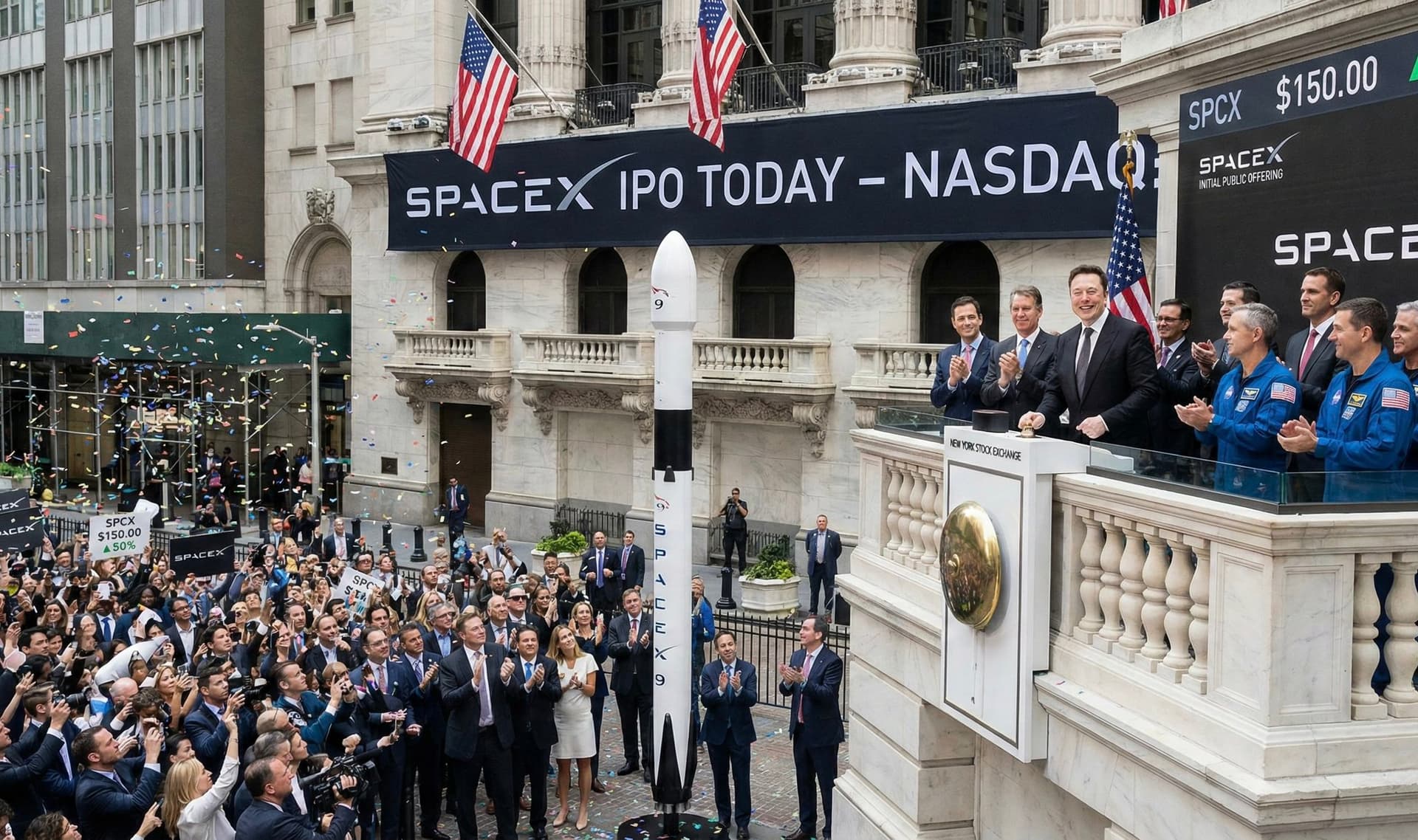
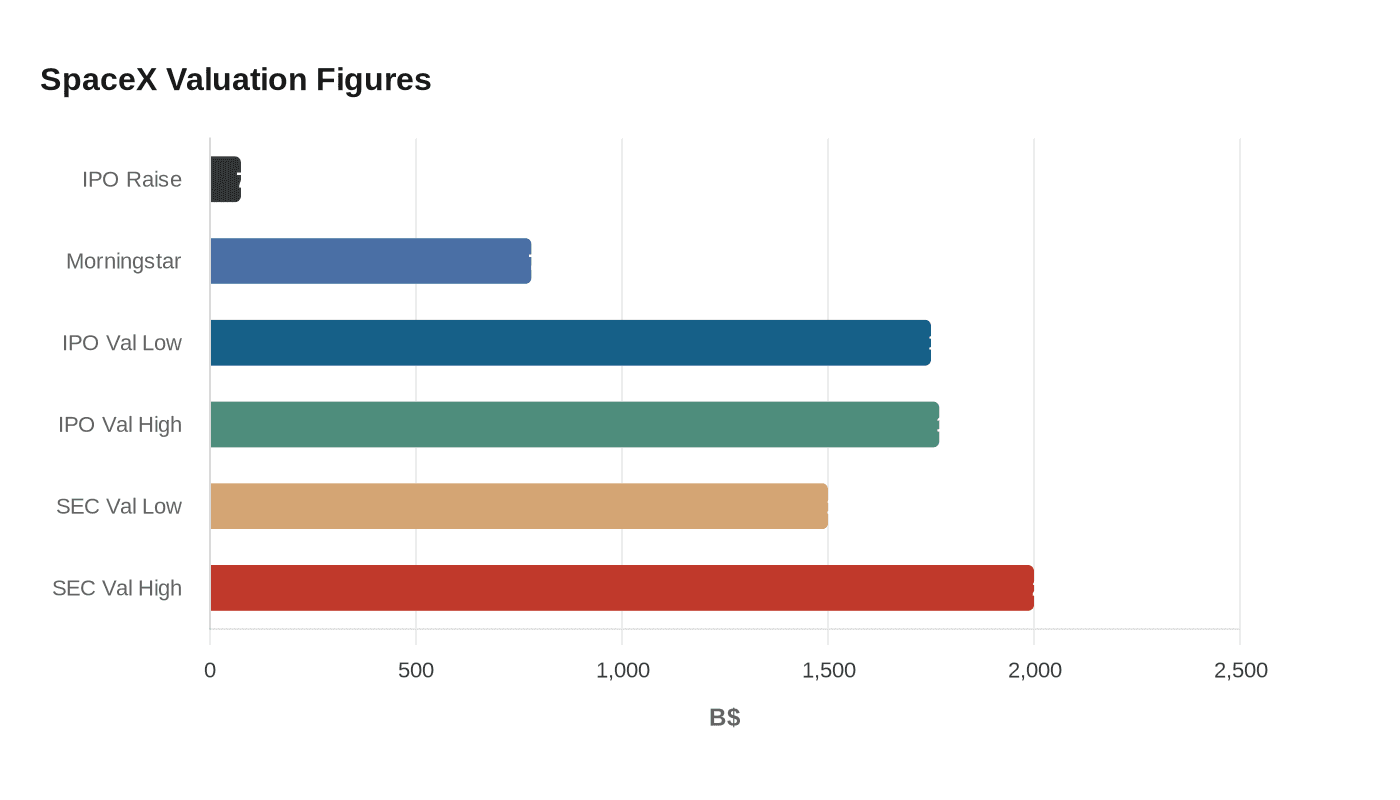
SpaceX’s planned stock sale is so large that the market is being asked to absorb not just a company, but a new benchmark problem. The company was targeting a $135 IPO price, a $75 billion raise, and a valuation of about $1.75 trillion to $1.77 trillion, with a Nasdaq debut expected on June 12. That scale would put Elon Musk’s rocket, satellite and AI business among the biggest U.S. companies on day one, and it would arrive with an unusual structure: all of the shares in the offering were new shares, not existing stock sold by insiders.
That matters because the first wave of buyers is only partly human choice. SpaceX reserved up to 5% of the offering for certain employees and people selected by executive officers through a directed share program, while the rest would be sold into the public market at the fixed price. Musk was also set to keep more than 82% voting control after the offering, leaving public shareholders with economic exposure but little influence over governance.

The bigger question is what happens after the IPO. Nasdaq’s newly revised Nasdaq-100 methodology is designed to fast-track very large new listings, and its FAQ says fast entry can come after 15 trading days for companies that clear the size and liquidity screens. That is why index funds tracking the Nasdaq-100, including QQQ and QQQM, could be forced into SpaceX quickly, regardless of whether the stock is still finding its price. A comment filed with the SEC warned that a company worth $1.5 trillion to $2 trillion could end up with a 5% to 10% or larger index weight, creating mandated buying in a narrow window.
The S&P 500 took a different path. S&P Dow Jones Indices said it would not relax its requirements for megacap IPOs, effectively ruling out a fast-track route into the benchmark. That leaves the S&P 500’s seasonings and profitability hurdles intact, which means broad funds tied to that index will not be forced to buy SpaceX right away. The split is telling: one benchmark is adapting to the scale of modern mega-IPOs, while the other is defending its gatekeeping role.
For ordinary investors, the risk is not just missing the first pop. It is inheriting a stock that could arrive in retirement accounts through rules-based buying, after the price has already been set by a narrow set of early investors and underwriters. Morningstar estimated SpaceX at about $780 billion in its own research coverage, while SpaceX’s latest reported 2025 numbers showed $18.7 billion in revenue and a $4.9 billion net loss, a gap that explains why the valuation debate is so intense. If SpaceX enters passive funds at a premium and then disappoints, the hype will not stay confined to private-market traders.
This article was produced by Prism’s automated news system from verified source data, official records, and press releases, then run through automated quality and moderation checks before publishing. The system is built and supervised by the people who set the standards it runs under. Read our full AI policy.
Know something we missed? Have a correction or additional information?
Submit a Tip