Bosch sticks to 2026 targets despite Middle East supply risks
Bosch held its 2026 goals even as it warned Middle East tensions could disrupt helium and other inputs needed for cars, appliances and industrial gear.
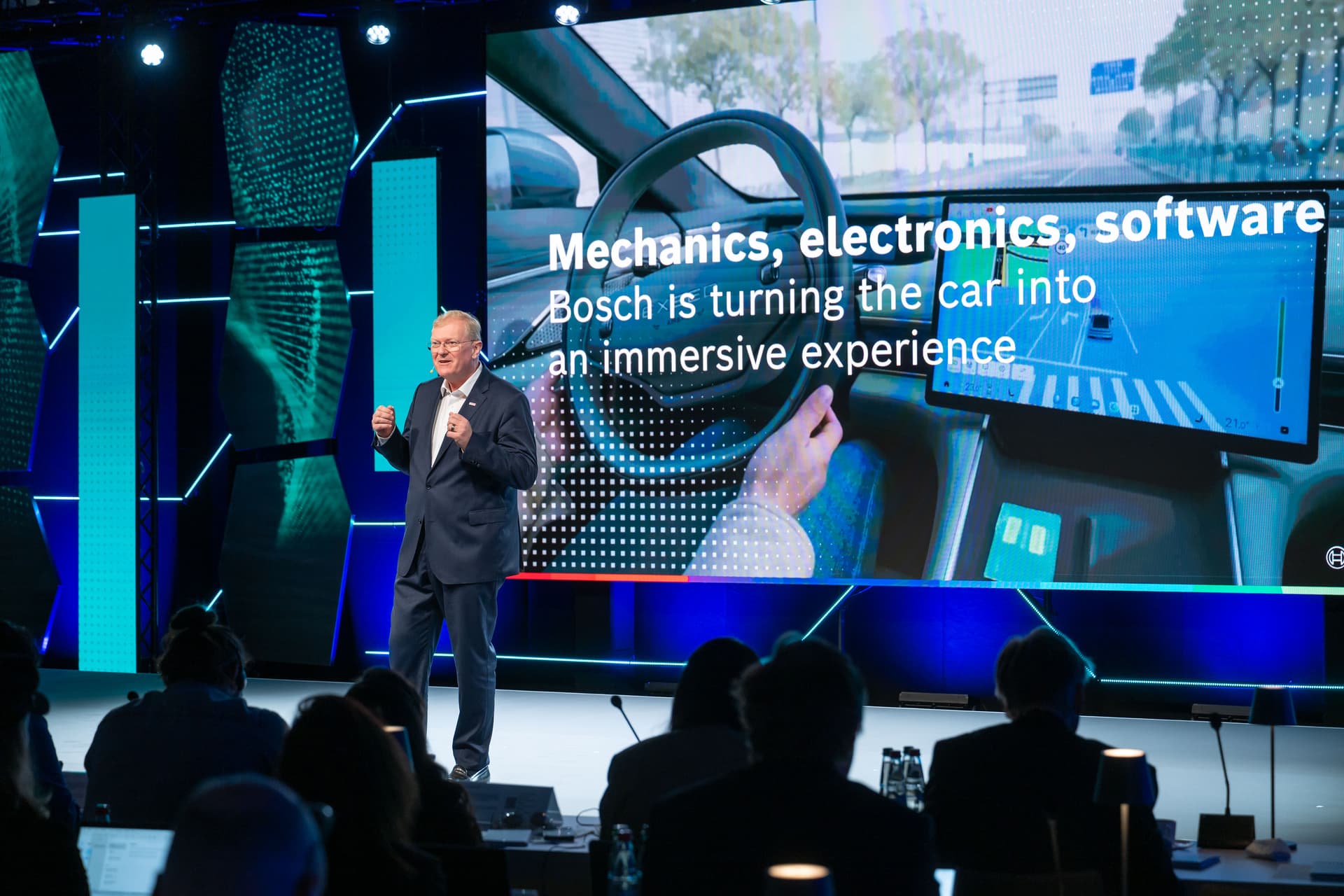
Bosch said it still expected to hit its 2026 financial targets even as Middle East instability threatened supply chains and raw-material flows across the auto industry. Chief executive Stefan Hartung said in Berlin on June 10 that the company remained on track, even with the risk of shocks to inputs used in semiconductor production, including helium.
The warning matters because Bosch sits near the center of European manufacturing. As the world’s largest automotive supplier, it helps set the tone for carmakers, parts makers and factory equipment groups that are already dealing with weak vehicle output, higher electrification costs and tighter margins. A disruption in materials such as helium can ripple beyond vehicles into appliances and industrial automation, where semiconductors and advanced electronics are embedded throughout production.
Bosch’s confidence rests on a target it has already set for 2026: revenue growth of 2% to 5% and an operating margin of 4% to 6%. That would mark a sharp improvement from the roughly 2.0% operating margin the company posted in 2025, down from 3.5% in 2024 after it booked about 2.7 billion euros in restructuring provisions tied to a major job-cutting drive. Bosch’s latest annual report said it had about 413,000 associates worldwide as of December 31, 2025, and generated sales of 91 billion euros in fiscal 2025.
The company is also pressing ahead with a restructuring of its core automotive business that includes 22,000 planned job cuts. Bosch has linked that overhaul to the slowdown in German car production and the costly shift toward electric vehicles, a transition that requires fresh spending on software, electronics and new manufacturing systems even as current demand remains uneven. Hartung said Bosch had “set the course” to be ready for the next phase and said the company could achieve its goals under current conditions.
Bosch’s 2026 sales-growth target would put it ahead of some peers such as Schaeffler and ZF, underlining how much the supplier is betting on a rebound after a painful year. The strategy is to absorb near-term pressure, protect profitability and keep investing in the technologies that will define the next generation of automotive and industrial equipment. In a sector exposed to both geopolitical risk and industrial slowdown, Bosch’s guidance is a useful signal of how much strain the supply chain can bear before it starts to hit production and pricing more broadly.
This article was produced by Prism’s automated news system from verified source data, official records, and press releases, then run through automated quality and moderation checks before publishing. The system is built and supervised by the people who set the standards it runs under. Read our full AI policy.
Know something we missed? Have a correction or additional information?
Submit a Tip