Cenovus CEO says Alberta pipeline cannot be privately financed under current rules
Jon McKenzie said Alberta’s planned 1-million-barrel-a-day west coast line cannot be privately financed, underscoring carbon costs, route risk and investor doubts.
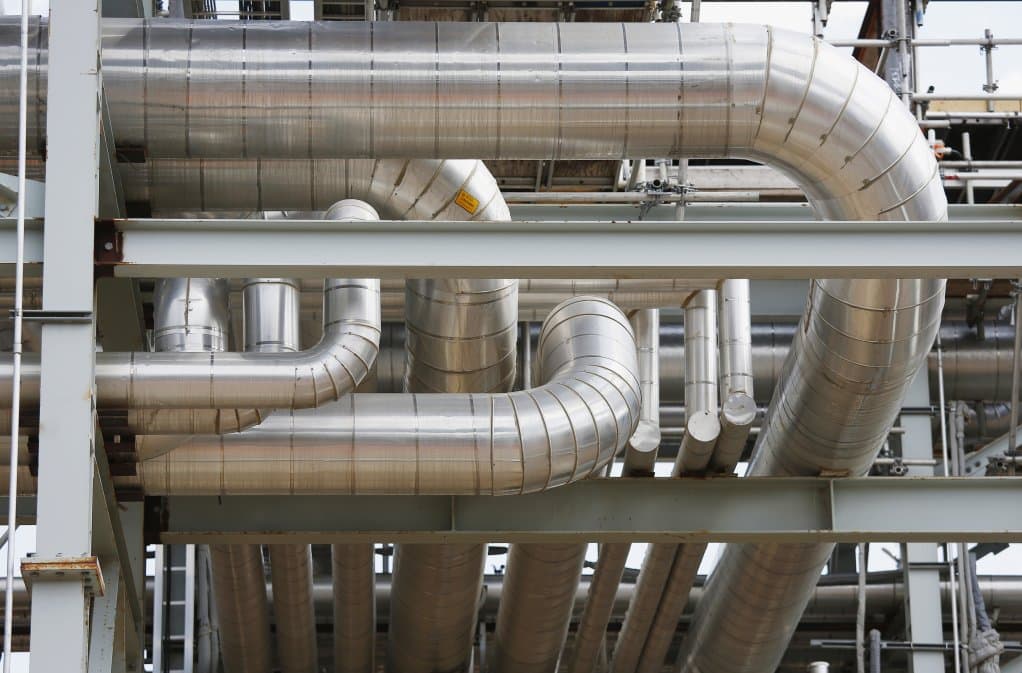
Cenovus Energy chief executive Jon McKenzie delivered a blunt verdict on Alberta’s proposed new oil pipeline to British Columbia’s Pacific coast: under Canada’s current regulatory regime, private investors cannot finance it. Speaking at the Global Energy Show Canada in Calgary, where industry leaders gathered June 9-11, McKenzie said the project’s economics are being squeezed by the federal and provincial policy framework as much as by steel, land and construction costs.
The proposed line is designed to move about 1 million barrels a day to the West Coast and, in theory, open a larger export channel to Asia. But McKenzie argued that Canada’s industrial carbon pricing system makes Canadian crude less competitive and discourages the production growth needed to justify a project of that scale. His comments recast the debate from one of engineering and permitting to one of bankability: if the private sector cannot underwrite the line, the project would likely need a different policy settlement, public support or both.
That tension matters because the west-coast route has long sat at the center of Canada’s energy strategy. Alberta producers want more export capacity beyond the existing Trans Mountain system, which already carries oil to the Pacific, while critics say new pipelines are difficult to square with climate goals, emissions rules and the growing scrutiny of lenders and insurers. McKenzie, who also chairs the Canadian Association of Petroleum Producers, gave the argument added weight from inside the oilpatch.
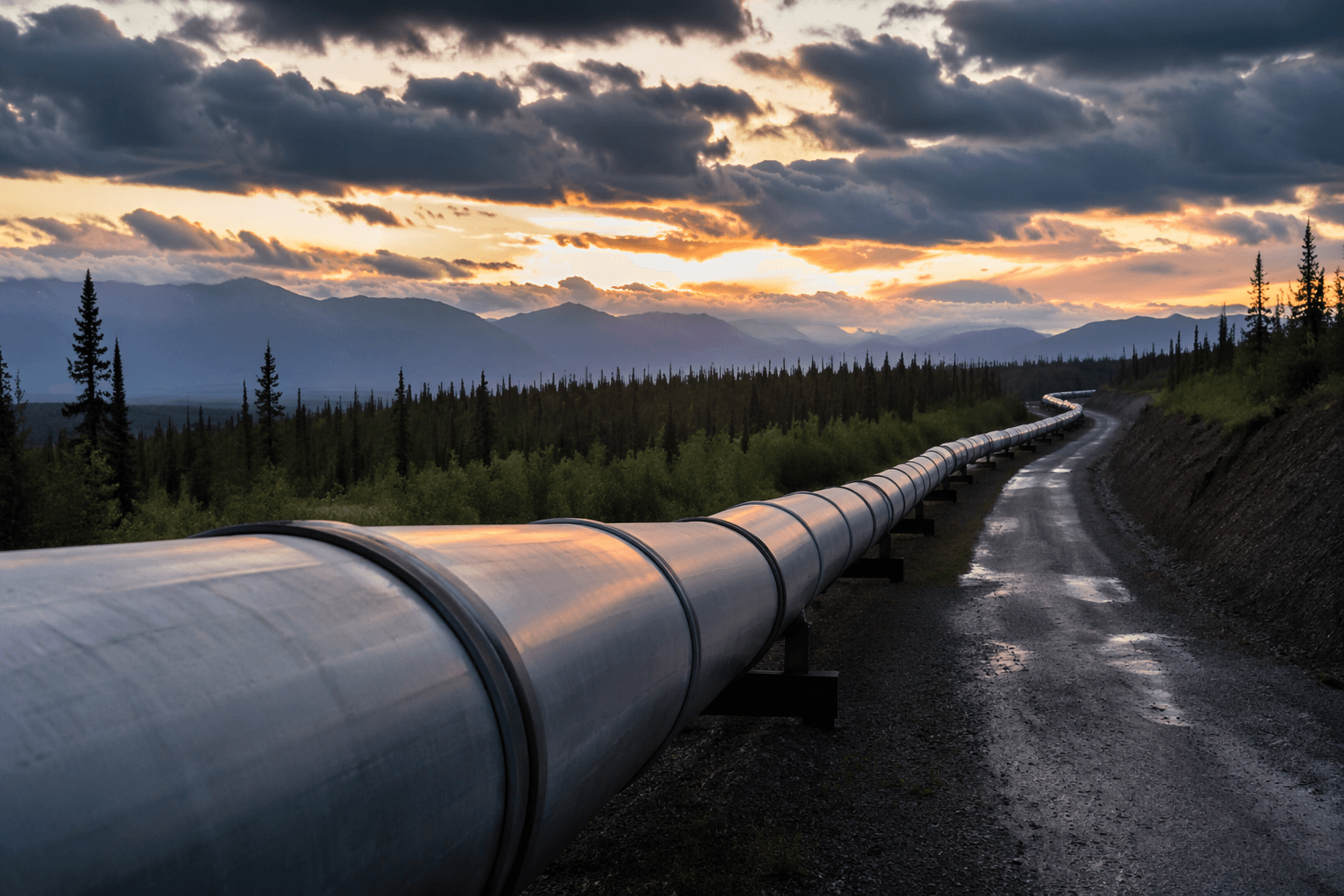
The political backdrop has shifted in recent weeks. Alberta is weighing a “general corridor” rather than a fixed route for the pipeline, a sign that the project remains at an early stage and still faces unresolved questions over geography, consultation and final alignment through northern British Columbia. West Moberly First Nations have opposed at least some of the routes under discussion, adding another layer of uncertainty to a project that is already running into investor caution.
The May 15 implementation agreement between Ottawa and Alberta gave the pipeline push more structure, with some reporting suggesting construction could begin as early as September 2027. Alberta is also expected to bring a proposal to Ottawa’s Major Projects Office by July 1, 2026, while the federal government is said to be pursuing national-interest designation by October 1, 2026. Even so, the central question remains unchanged: whether enough oil-sands growth can be delivered, and whether policy can stay stable long enough, to make a new west-coast export line financeable.

That is where McKenzie’s remarks land hardest. Bloomberg has reported that Imperial Oil’s chief executive sees the project potentially requiring more than C$100 billion in industry investment, a scale that makes financing conditions crucial. For Canada’s energy industry, the pipeline debate is no longer just about where to build. It is about who pays, who bears the risk and whether the country’s climate policy can coexist with a major new export corridor.
This article was produced by Prism’s automated news system from verified source data, official records, and press releases, then run through automated quality and moderation checks before publishing. The system is built and supervised by the people who set the standards it runs under. Read our full AI policy.
Know something we missed? Have a correction or additional information?
Submit a Tip