Boston Dynamics’ Atlas moves from lab to Hyundai factory work
Atlas has left the lab for Hyundai’s factory pipeline, with 2026 production already committed and the real question now reliability on the line.
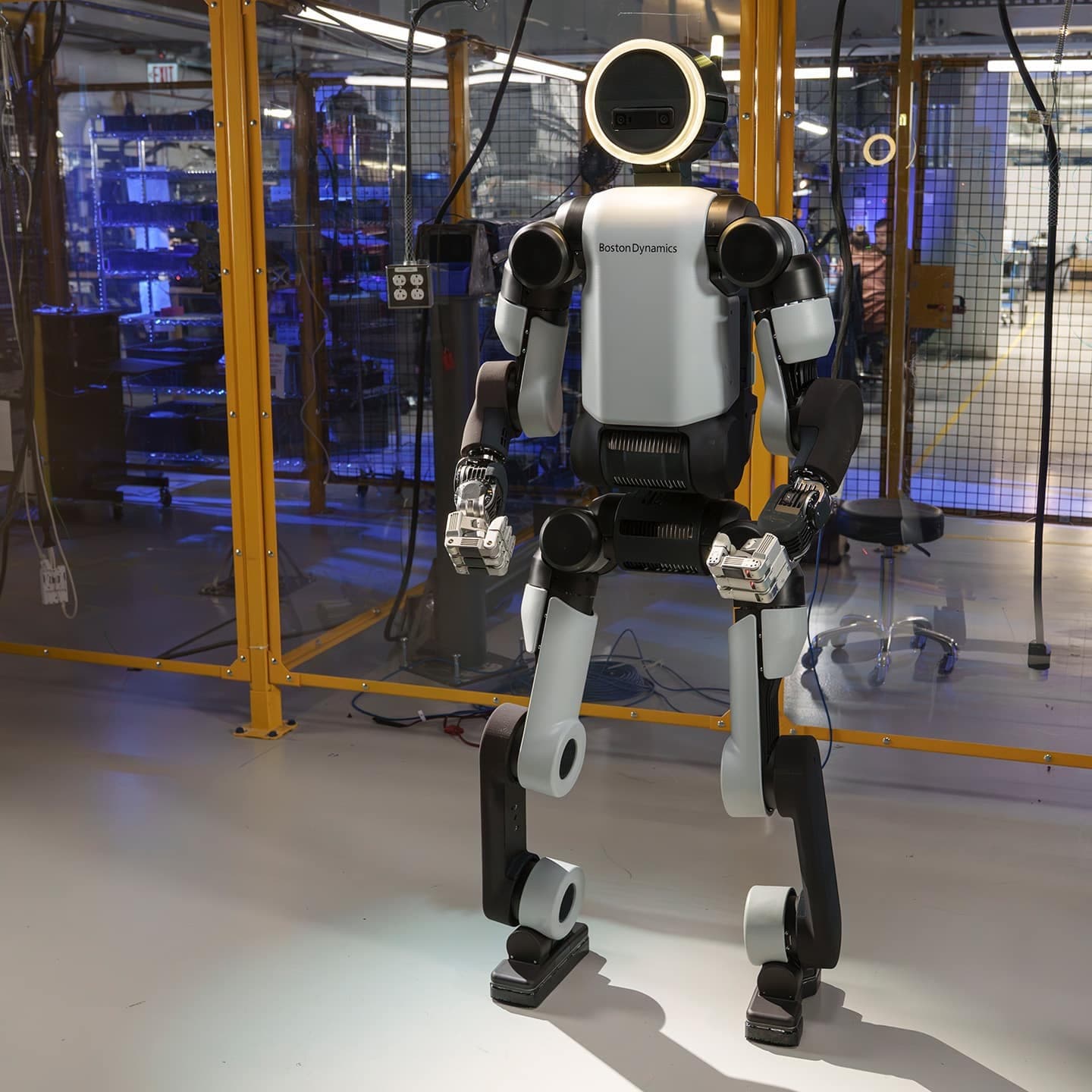
The real test for Boston Dynamics’ Atlas is no longer whether the humanoid can move like a person. It is whether it can do factory work reliably, safely and cheaply enough to justify a place on a production line, where Hyundai wants it to take on sequencing tasks first and more complex assembly later.
Boston Dynamics said in January 2026 that it had moved Atlas from a research robot to a production-ready industrial humanoid and had begun production immediately at its Boston headquarters. The company said all Atlas deployments for 2026 were already fully committed, with fleets slated for Hyundai’s Robotics Metaplant Application Center and Google DeepMind, and it plans to add more customers in early 2027.
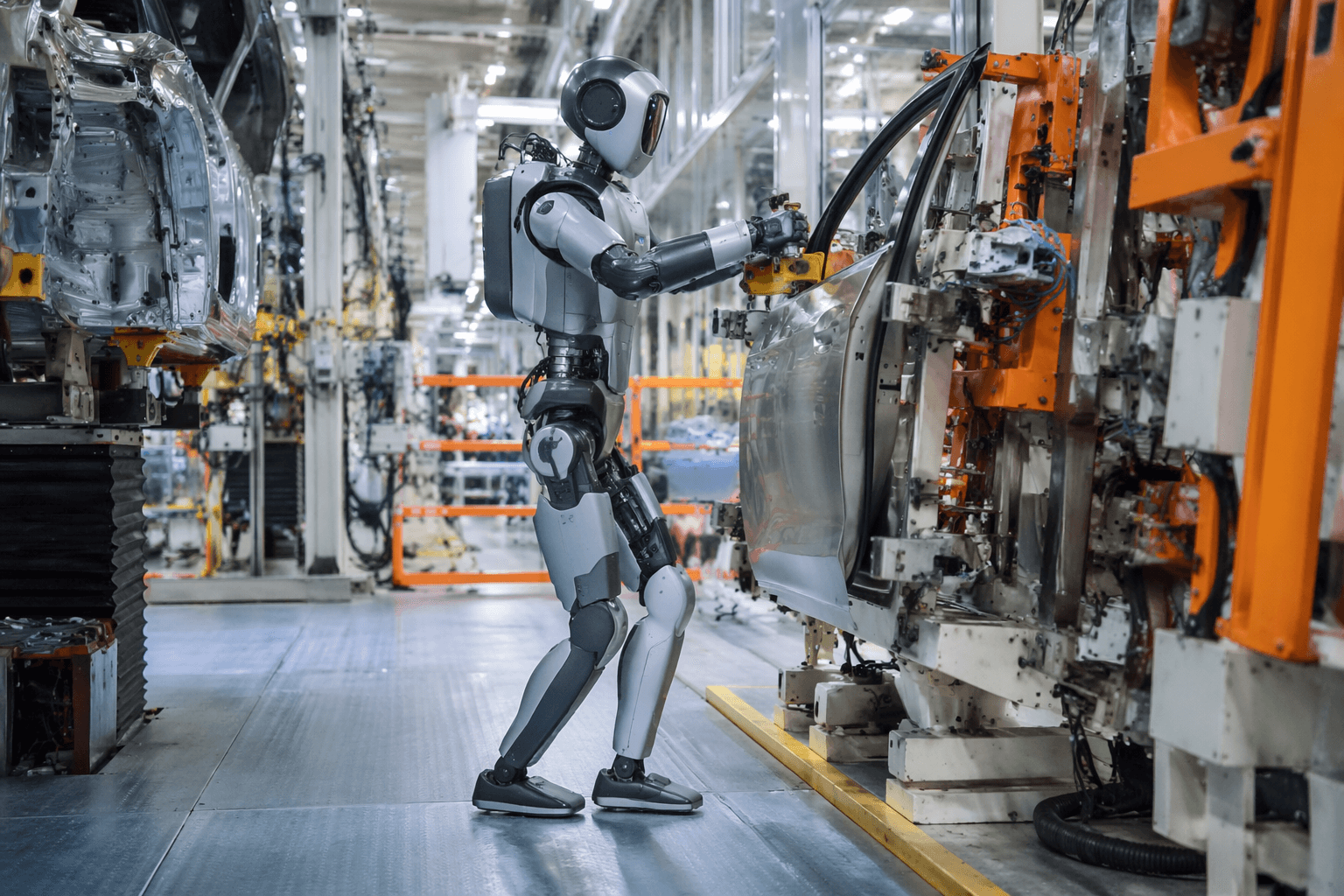
Hyundai Motor Group has been clear about where it wants Atlas to go next. The company said Atlas is intended for phased deployment at Hyundai Motor Group Metaplant America in Savannah, Georgia, with sequencing tasks targeted for 2028 and more complex assembly work, including other operations, targeted for 2030. Hyundai said the robot is meant to reduce human physical burden and take on higher-risk tasks, a familiar industrial robotics argument but one that becomes more demanding when the machine has to operate in a live factory rather than a demo setting.
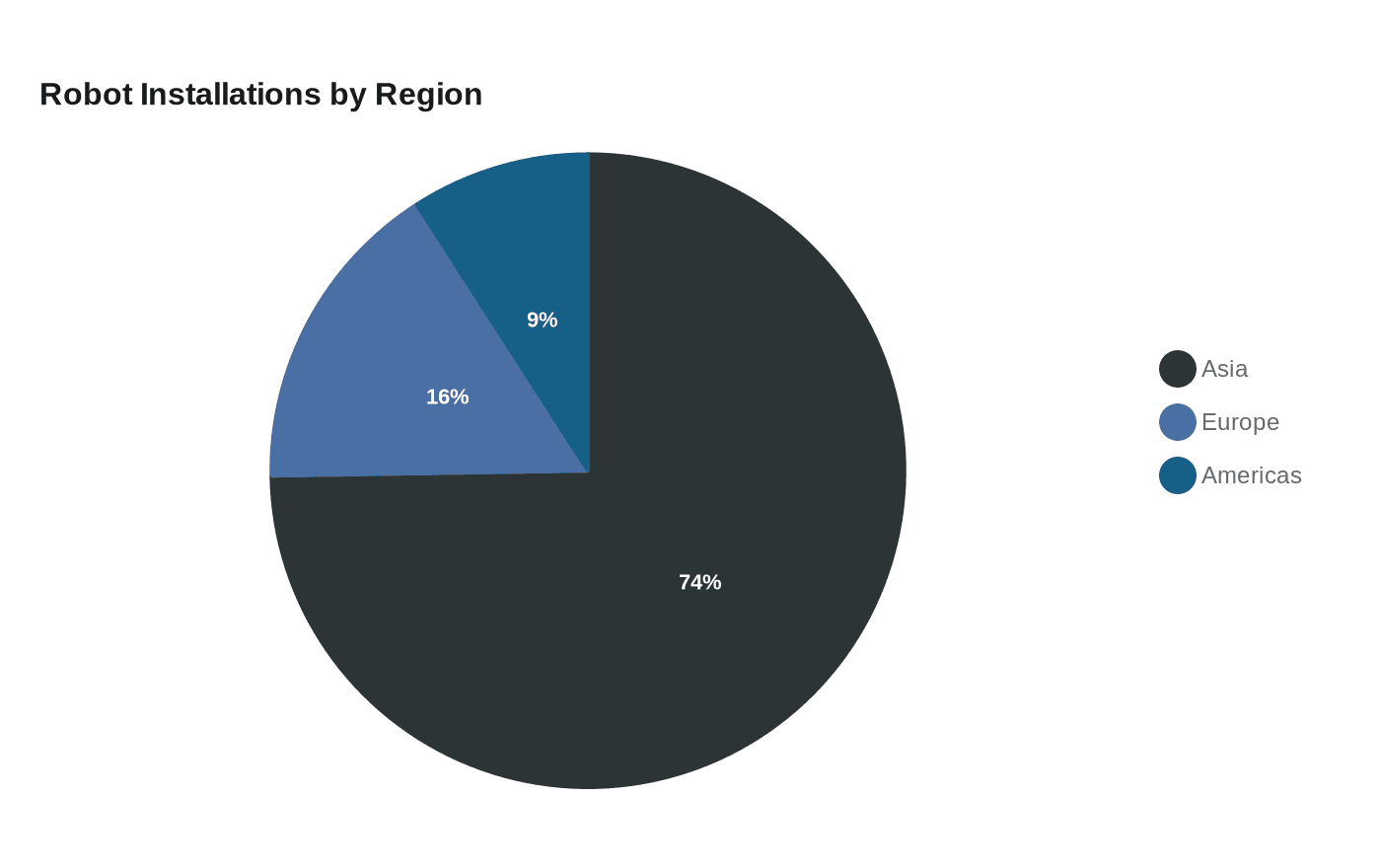
That caution is warranted. The International Federation of Robotics said 542,000 industrial robots were installed worldwide in 2024, more than double the annual total from 10 years earlier and the fourth straight year installations topped 500,000 units. Asia accounted for 74% of new deployments, Europe 16% and the Americas 9%, showing how concentrated the automation surge remains even as the technology spreads.
The United States remains a major market. The federation said U.S. factories had 393,700 industrial robots working in them in 2025, and installed 34,200 more in 2024. Those figures underscore why humanoids are attracting attention: manufacturers are still looking for ways to address labor shortages, skill gaps and safety problems in jobs that require human-like dexterity, but they already have a large installed base of conventional automation to compare against.
Boston Dynamics has also tied Atlas more tightly to the AI boom. In January 2026, the company and Google DeepMind announced a partnership to integrate Gemini Robotics foundation models with Atlas, signaling that the push into factories is being built on both mechanics and machine learning.
For industrial buyers, the question is not whether humanoid robots can be built. It is whether Atlas can work through real shifts on a factory floor with the durability, precision and cost structure that existing automation already delivers. That is the hurdle that will decide whether humanoids become a niche tool or a new class of industrial labor.
This article was produced by Prism’s automated news system from verified source data, official records, and press releases, then run through automated quality and moderation checks before publishing. The system is built and supervised by the people who set the standards it runs under. Read our full AI policy.
Know something we missed? Have a correction or additional information?
Submit a Tip