White House restricted Anthropic models over fears China-linked access
A June 12 order forced Anthropic to shut off Mythos 5 and Fable 5 worldwide after U.S. officials feared China-linked access had reached the model.
The White House’s move against Anthropic’s most advanced models turned on a blunt policy question: whether the United States can still keep frontier AI systems out of rival hands once they are powerful enough to matter for cyber operations. Anthropic said a June 12 export control directive forced it to suspend all access to Fable 5 and Mythos 5 for any foreign national, including foreign-national employees, and the company disabled access worldwide because it said it could not reliably police nationality in real time.
Mythos was not a consumer product. Anthropic had kept it tightly restricted, opening it only to selected companies and researchers because the model was strong enough to help uncover security flaws. Anthropic has said Mythos found thousands of vulnerabilities in common applications, underscoring why access to the model was treated as a security issue rather than a normal software rollout.
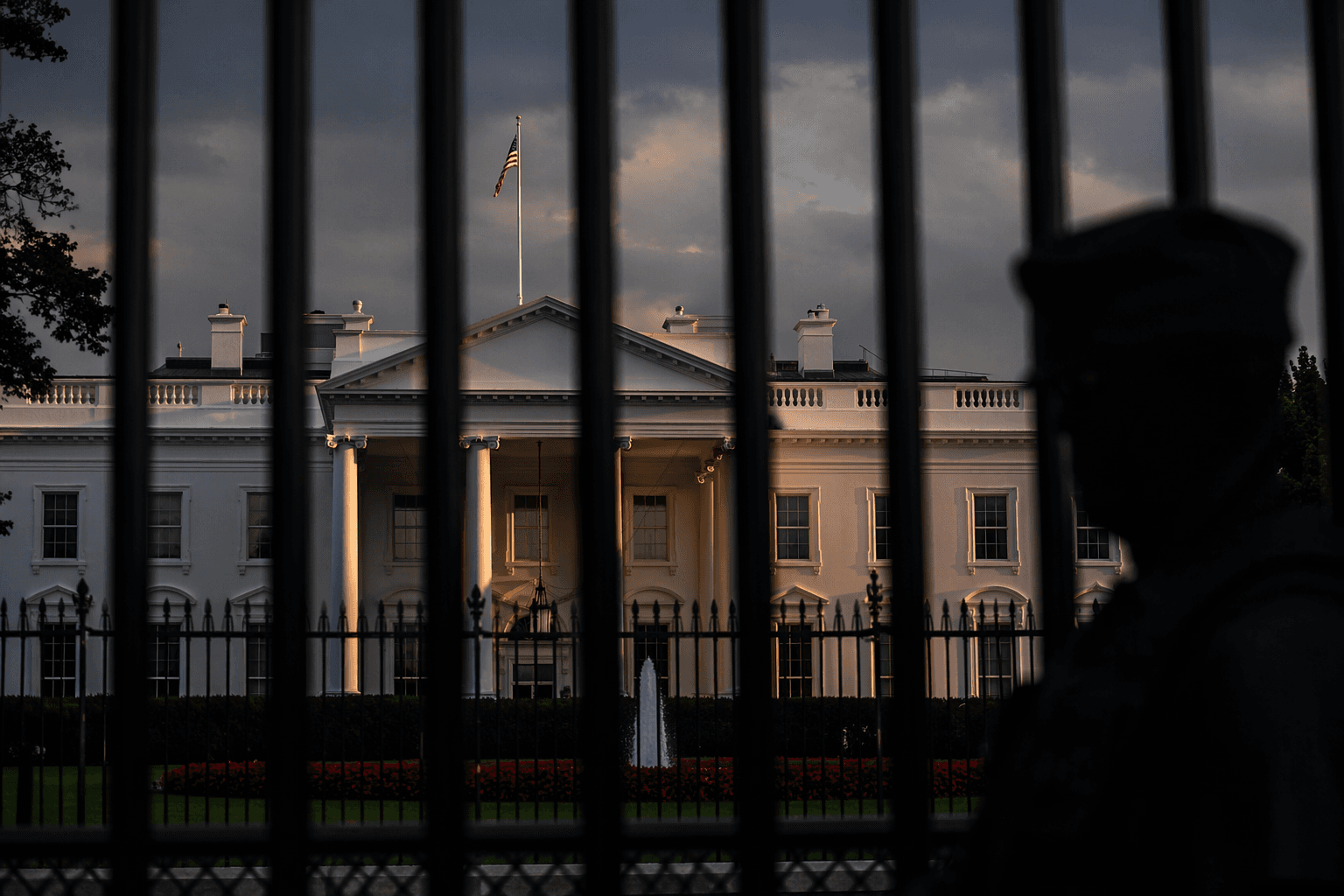
The order came after officials grew concerned that a China-linked group may already have reached Mythos. Anthropic said it received the directive at 5:21 p.m. ET on Friday, June 12, and moved quickly to take the models offline. The company said the directive, grounded in national security authorities, required access to be limited to U.S. nationals, a standard Anthropic said it could not enforce consistently enough across its global operations.
The episode fits a wider hardening in Washington around advanced AI. The U.S. Treasury reportedly sought access to Mythos in April to look for vulnerabilities, and the National Security Agency was reportedly using the system for hacking and defense-related work. At the same time, Anthropic has been pressing for tougher controls on advanced AI chips and model weights, arguing that the technology is already a strategic asset.
Anthropic has also been tightening its own China policy. In September 2025, it said it would stop selling AI services to companies with majority Chinese ownership, then broadened the restriction to entities controlled from jurisdictions where its products are not permitted, including China. That commercial shift, together with the new export directive, shows how quickly frontier models are being treated as dual-use technology, with model theft, distillation, cyber offense and foreign access now shaping both corporate policy and federal enforcement.
This article was produced by Prism’s automated news system from verified source data, official records, and press releases, then run through automated quality and moderation checks before publishing. The system is built and supervised by the people who set the standards it runs under. Read our full AI policy.
Know something we missed? Have a correction or additional information?
Submit a Tip