Brain scans identify three ADHD subtypes, including severe emotional dysregulation form
Brain scans separated ADHD into three biotypes, including a severe emotional dysregulation form, but the findings still stop short of a clinical test.
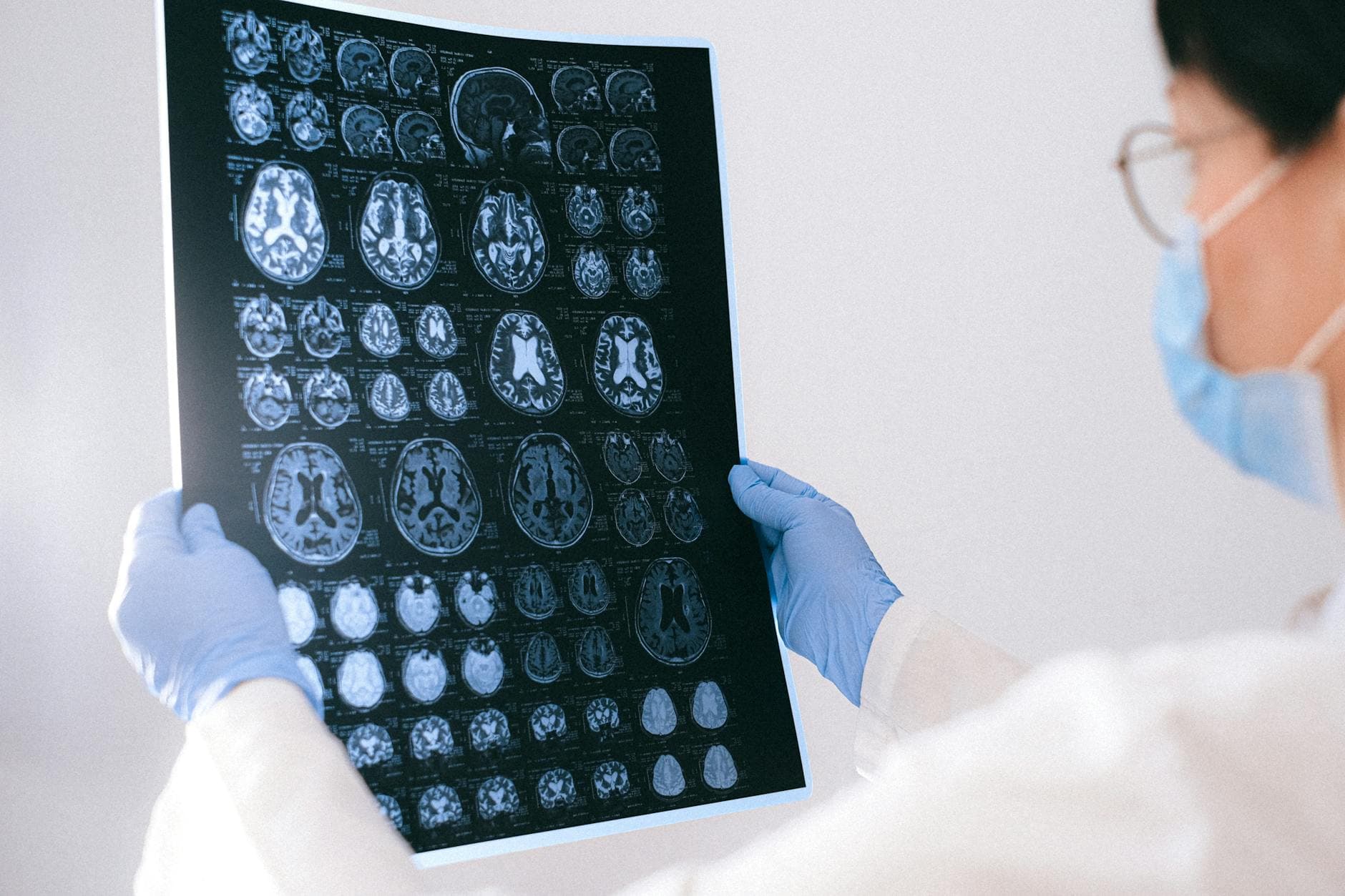
Brain imaging may eventually help doctors see that not all ADHD looks or responds the same way, especially in children whose symptoms include intense emotional dysregulation. The immediate lesson is narrower: a new study of 1,154 children and adolescents found three distinct brain-based biotypes, but it does not mean a scan is ready to diagnose ADHD in a clinic or replace careful behavioral evaluation.
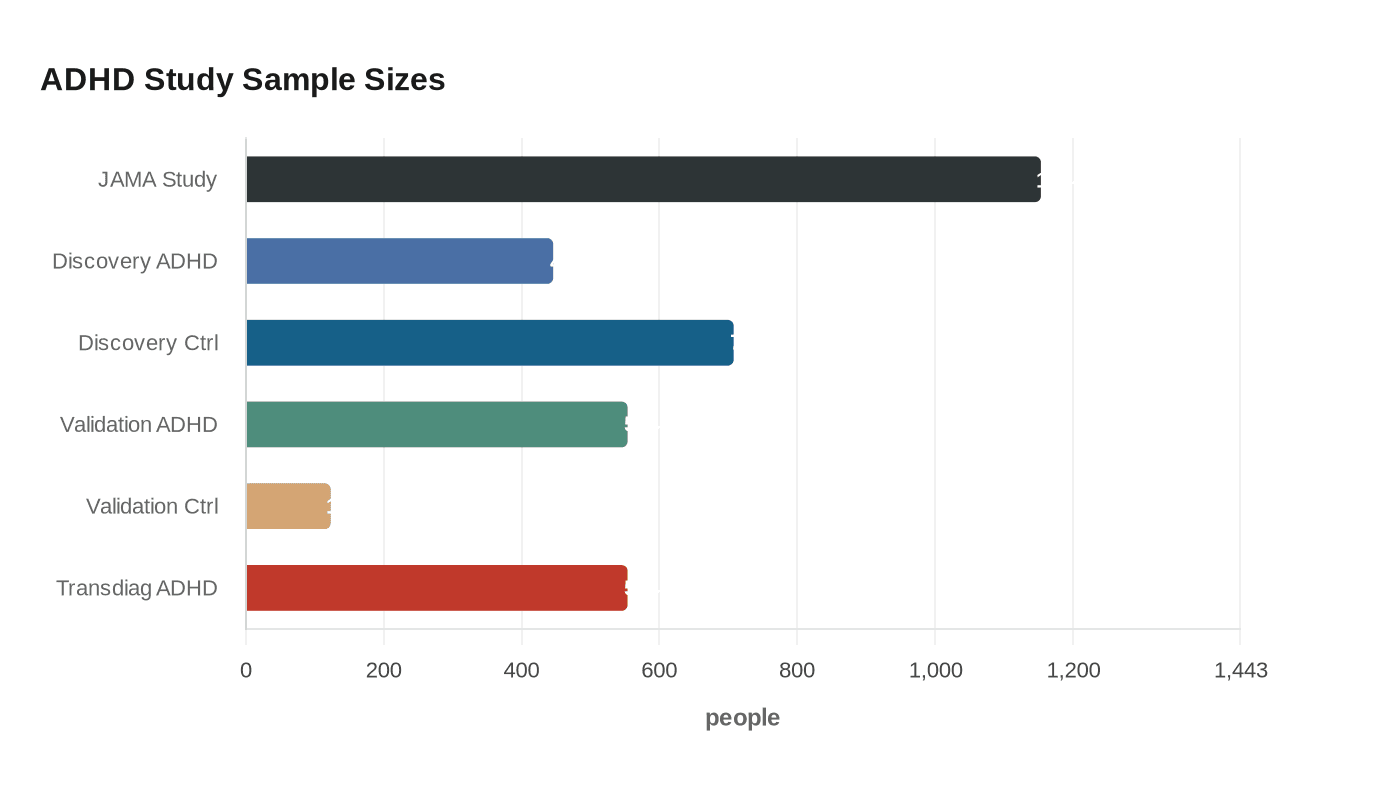
The study, published online Feb. 25, 2026 in JAMA Psychiatry, drew on multisite cross-sectional neurodevelopmental datasets and included a longitudinal follow-up cognitive assessment for a subset of participants. In the discovery cohort, researchers analyzed 446 children with ADHD and 708 controls. The validation cohort included 554 children with ADHD and 123 controls, and the findings were also tested in an independent transdiagnostic cohort of 554 ADHD cases.
The three biotypes were described as severe-combined with emotional dysregulation, predominantly hyperactive/impulsive, and predominantly inattentive. That matters because ADHD is still usually discussed through the DSM’s symptom-based presentations, a framework that can miss biological differences that may shape school performance, behavior, and medication response. One of the clearest practical signals in the broader imaging literature is that the over-developed subtype had the worst response to stimulant medication, while the under-developed subtype was tied to lower cognitive scores and worse socioeconomic status. Those patterns suggest that some children may need more individualized treatment planning, and that the burden of ADHD is not spread evenly across families with different levels of access to care, supports, and stability.
Melissa P. DelBello of the University of Cincinnati said the work supports what many child psychiatrists have seen in practice, that children with ADHD do not all respond the same way and that treatment should be matched more carefully to symptoms and likely biology. That is an important step toward more precise care, but it remains an early one.
The new paper also fits a faster-moving research trend. In November 2025, a Translational Psychiatry study using 6,509 adolescents from the Adolescent Brain Cognitive Development study identified three neuroimaging subtypes, under-developed, over-developed, and mixed. A separate March 2026 study in General Psychiatry reported two structural-brain subtypes in 135 young people with ADHD and 182 neurotypical controls. Together, the studies point to the same caution and promise: ADHD is biologically heterogeneous, but brain scans are still revealing patterns, not delivering an immediate diagnostic breakthrough.
This article was produced by Prism’s automated news system from verified source data, official records, and press releases, then run through automated quality and moderation checks before publishing. The system is built and supervised by the people who set the standards it runs under. Read our full AI policy.
Did this article answer your question?