Brazil investigates suspected Ebola case after Congo traveler develops fever
A Congolese traveler with fever was isolated in São Paulo as Brazil investigated a suspected Ebola case, while Congo’s outbreak widened and officials raced to contain it.
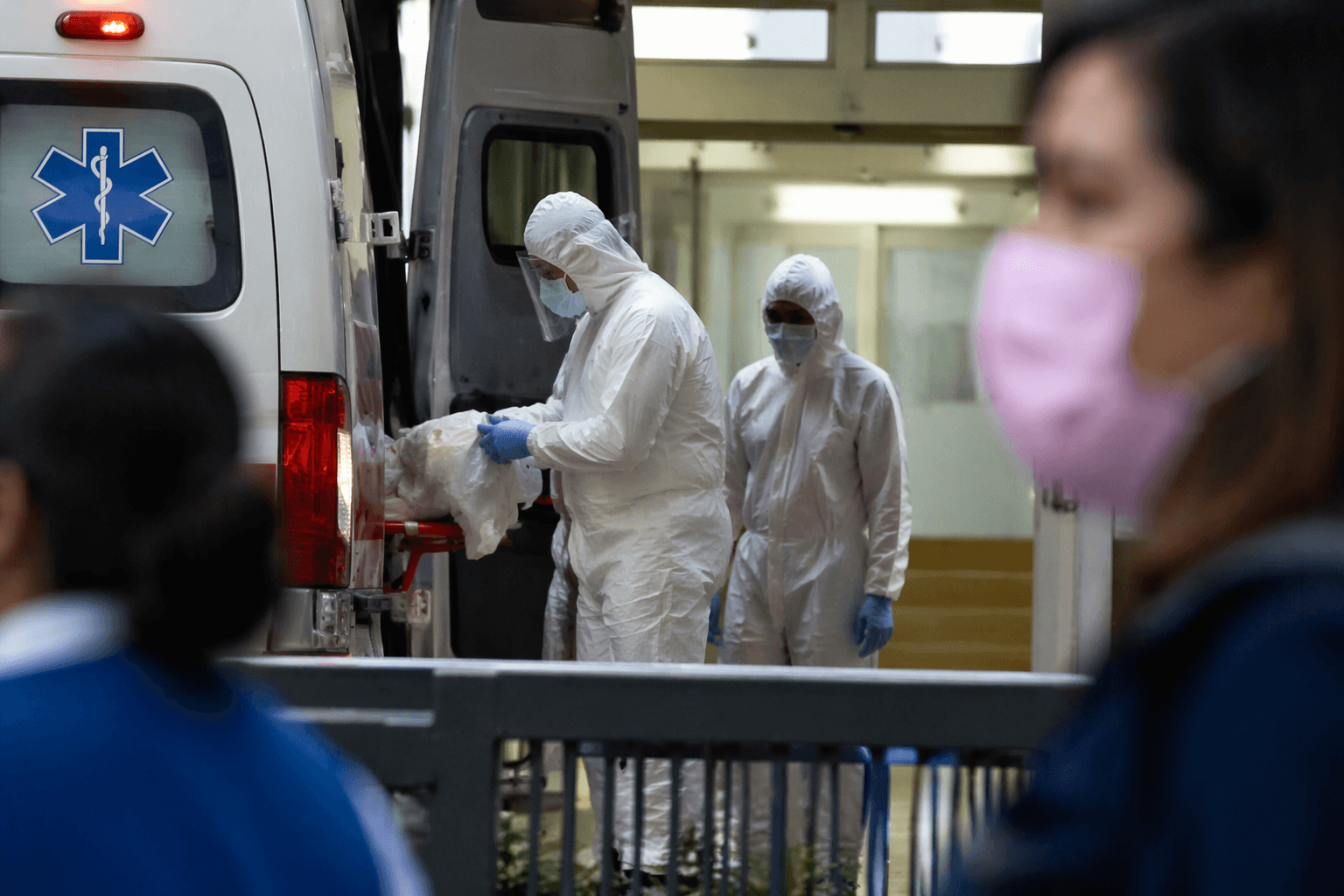
Brazilian health authorities in São Paulo state isolated a man from the Democratic Republic of Congo after he developed a fever following a recent trip to Africa, opening an Ebola investigation that has so far produced no confirmed case. The patient was taken to a hospital equipped to handle suspected or confirmed Ebola cases, a standard containment step meant to protect staff, other patients and the public while test results and travel tracing are completed.
The case matters because Ebola is treated as a high-consequence public-health threat even when the chance of spread is low. In Brazil, public-health coverage has already described the risk of Ebola reaching the country as low but not impossible, with surveillance protocols in place for travelers and airports. A suspect case does not mean community transmission is underway; it means officials are moving quickly to determine whether the fever is Ebola or something else and whether anyone else needs monitoring.
The investigation comes as the Democratic Republic of Congo is dealing with a fresh outbreak that the World Health Organization said on May 22 was spreading rapidly. WHO raised its risk assessment to very high at the national level, high at the regional level and low at the global level, while reporting 82 confirmed cases and seven confirmed deaths, along with almost 750 suspected cases and 177 suspected deaths. The agency said the outbreak is caused by the Bundibugyo virus, which has no approved vaccines or therapeutics, and noted only two previous Bundibugyo outbreaks, in Uganda in 2007 and Congo in 2012.
The U.S. Centers for Disease Control and Prevention updated its figures on May 30, saying the Congo outbreak had grown to 210 confirmed cases and 17 confirmed deaths, plus 349 suspected cases. The CDC also reported 9 confirmed cases and 1 confirmed death in Uganda, with confirmed spread in Ituri, Nord-Kivu and Sud-Kivu provinces in Congo and related cases in Kampala.
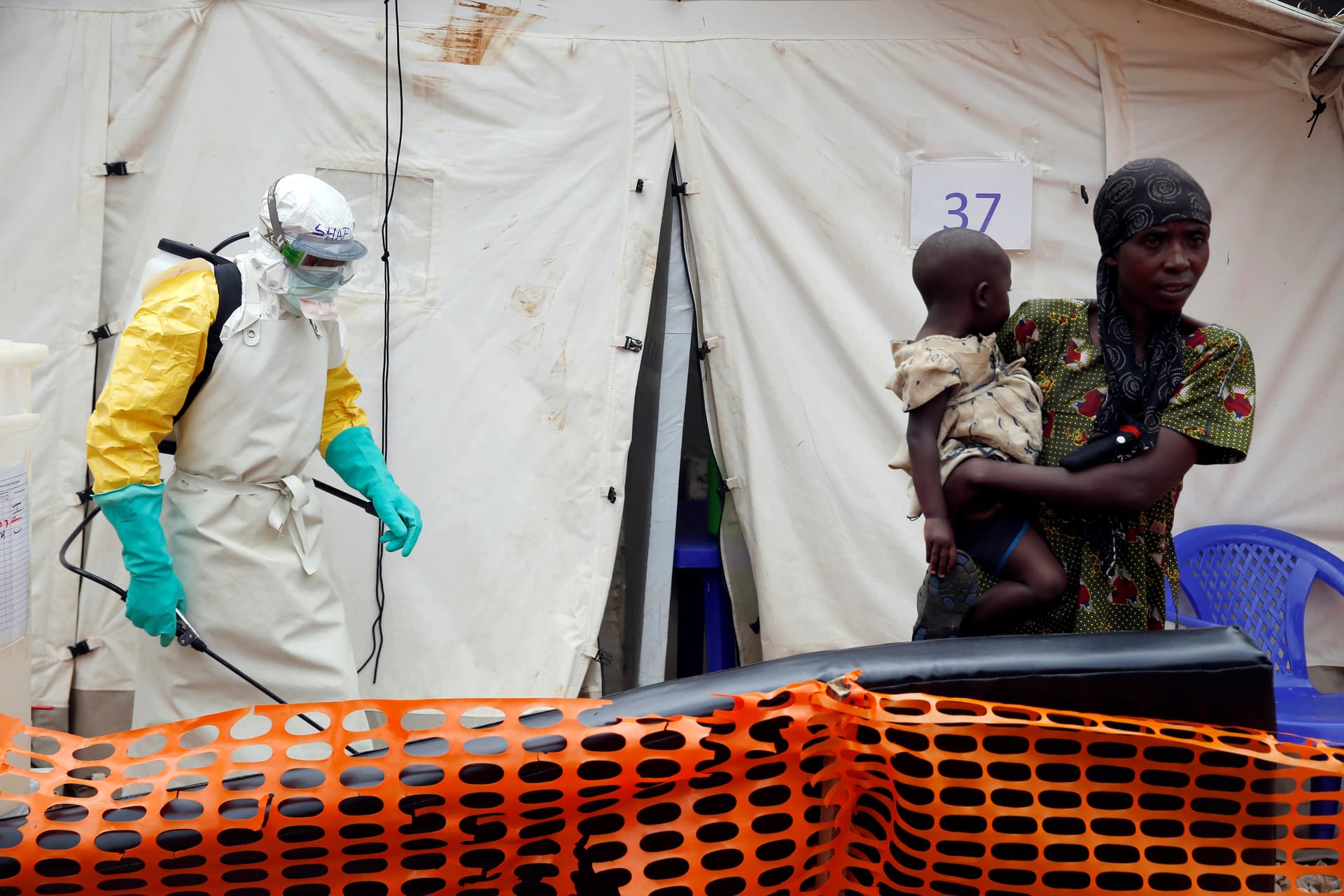
Officials in Brazil will be focused on the patient’s travel history, possible exposures and any contacts who may need follow-up. That is the core of Ebola risk communication: isolate early, trace fast and confirm before assuming wider danger. The public-health playbook is designed for exactly this kind of alert, where vigilance is warranted but panic is not.
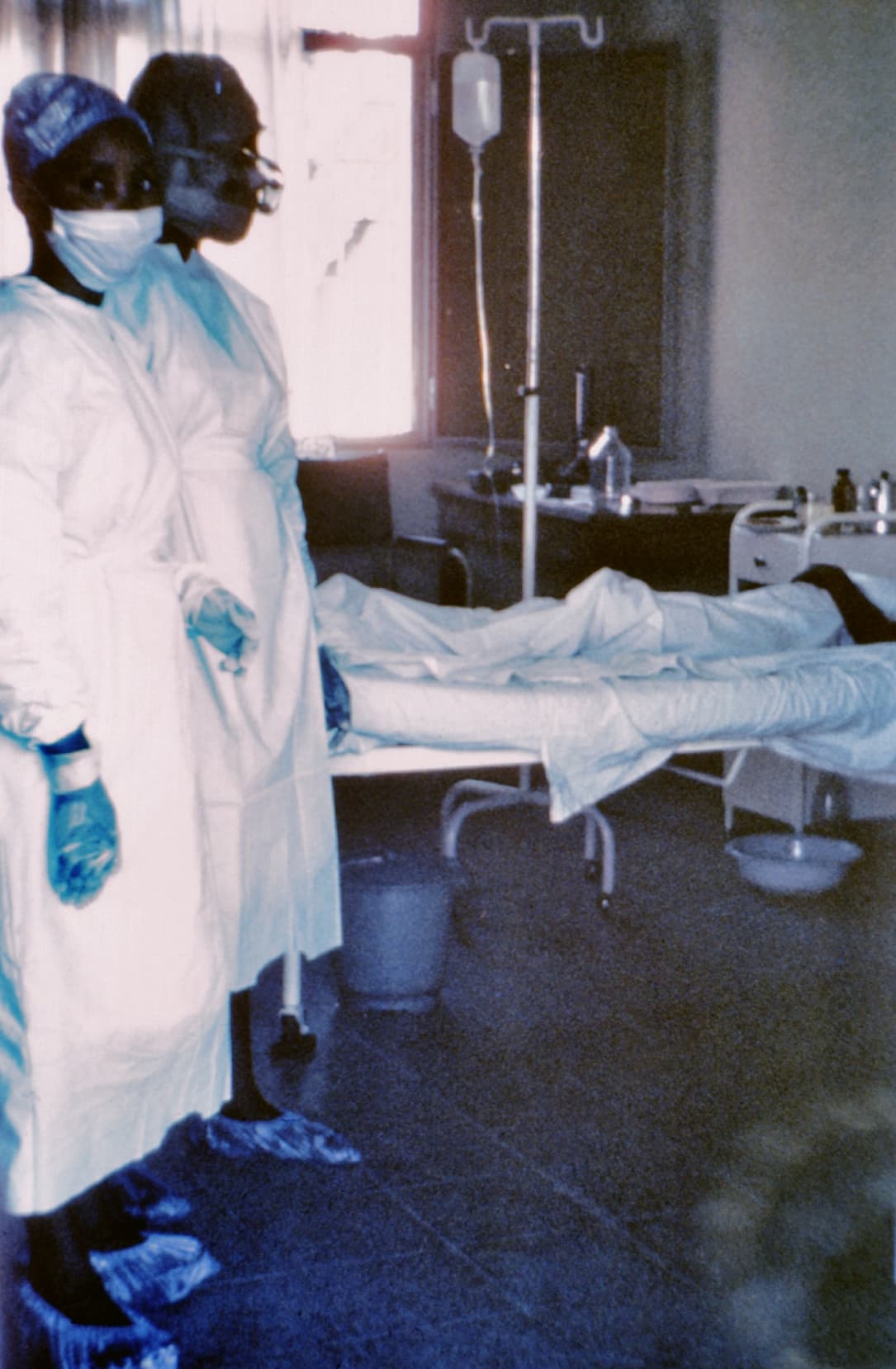
The outbreak response in Congo remains strained. WHO Director-General Tedros Adhanom Ghebreyesus traveled to Bunia in eastern Congo on May 31 to urge safe burials and early treatment, while Sky News reported that health-facility attacks and shortages of basic supplies were complicating containment efforts and that the virus was spreading faster than the response. For Brazil, the immediate task is narrower but urgent: verify the diagnosis, trace the exposure and keep a suspected case from becoming a bigger one.
This article was produced by Prism’s automated news system from verified source data, official records, and press releases, then run through automated quality and moderation checks before publishing. The system is built and supervised by the people who set the standards it runs under. Read our full AI policy.
Know something we missed? Have a correction or additional information?
Submit a Tip