Lilly’s tirzepatide tops rival GLP-1 drugs in early diabetes study
Lilly’s tirzepatide lowered A1c more than rival GLP-1 drugs in newly diagnosed type 2 diabetes, with 60.2% reaching normal blood sugar.
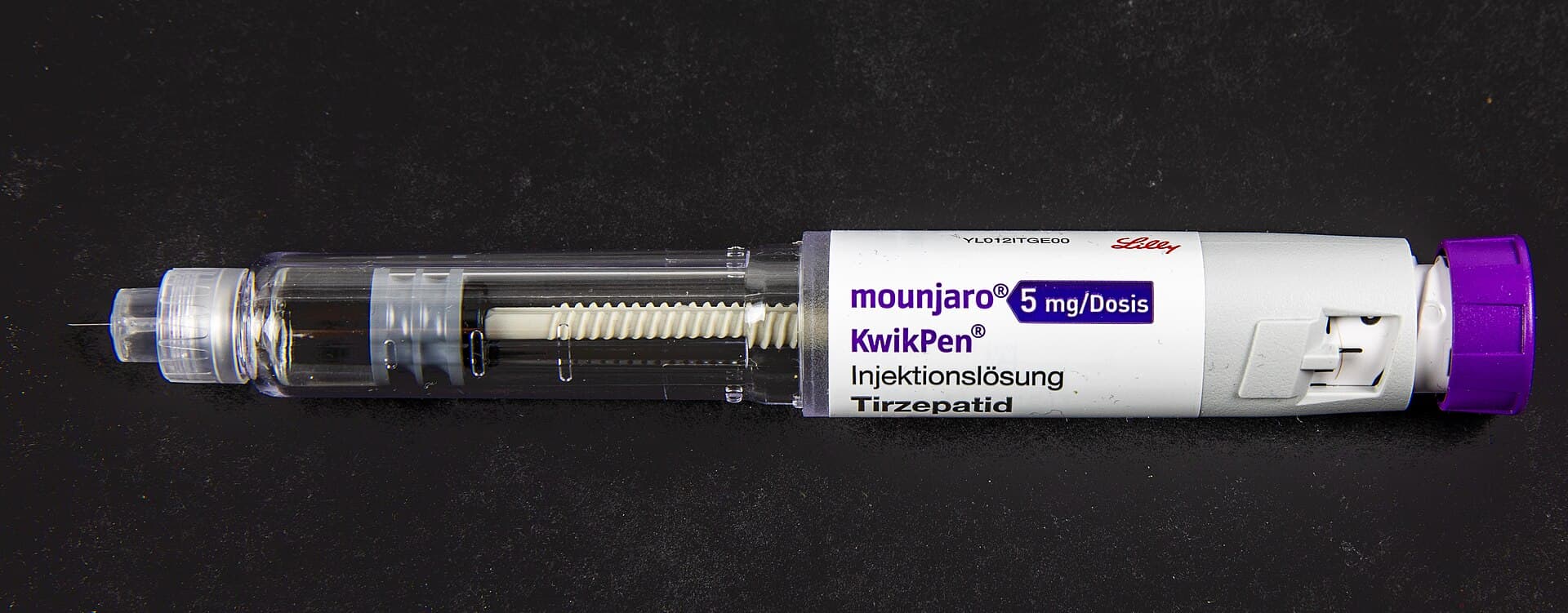
Tirzepatide gave Lilly a fresh clinical argument in the fast-moving GLP-1 market: in adults with early type 2 diabetes, it lowered blood sugar more than intensified conventional care that could include rival GLP-1 drugs, and it pushed far more patients into the normal range.
The randomized, open-label phase 4 study, called SURPASS-EARLY, followed 794 adults whose diabetes had been diagnosed within the previous four years and whose blood sugar remained uncontrolled on diet, exercise and metformin. After two years, patients assigned to tirzepatide had an average HbA1c drop of about 1.99 percentage points, compared with 1.32 percentage points for those receiving intensified conventional care. Normoglycemia, defined as HbA1c below 5.7%, was reached by 60.2% of tirzepatide patients versus 24.0% of the comparison group.
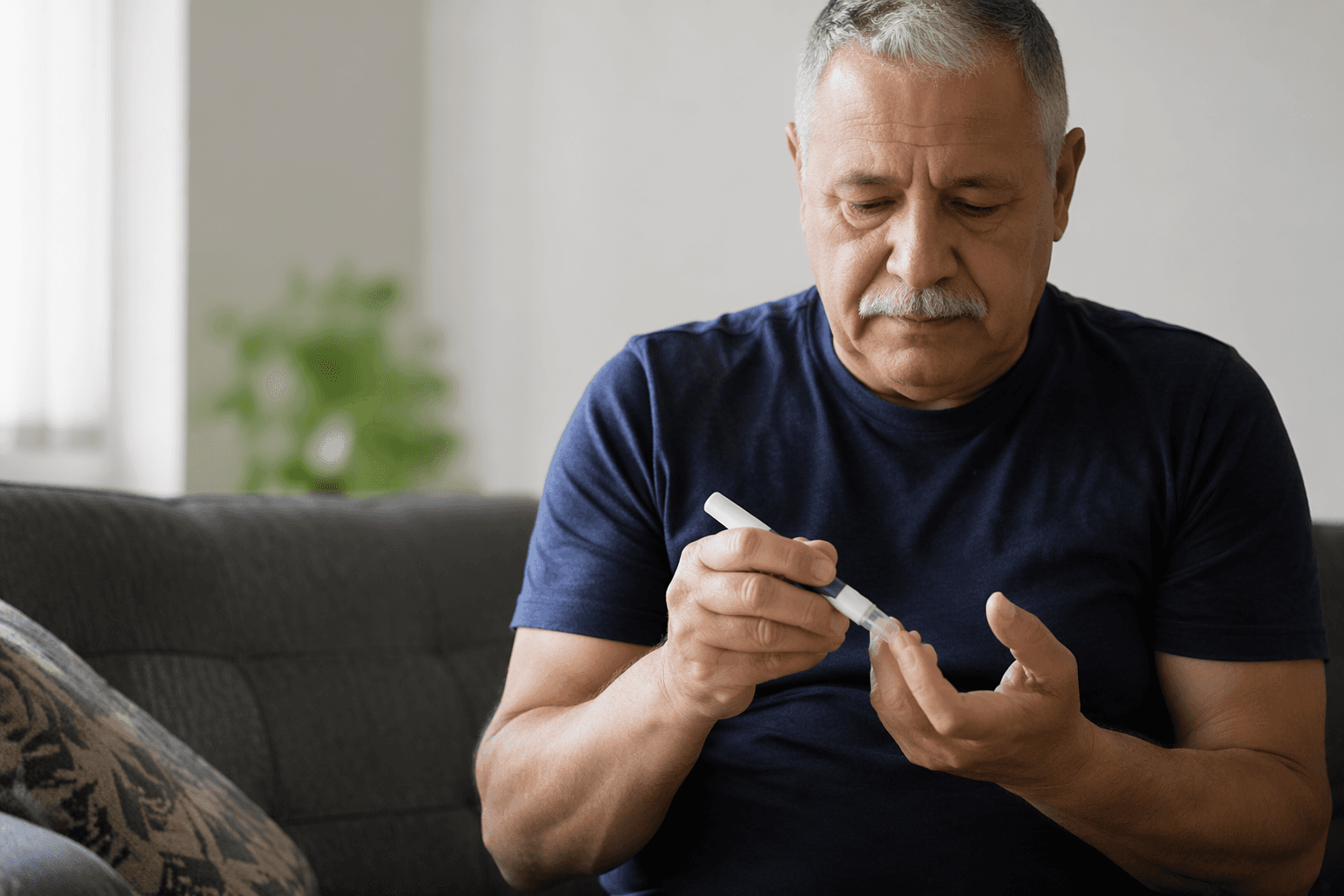
That is what “shows an edge” means clinically for newly diagnosed patients: more people are not just improving, but crossing into a normal blood sugar range while also losing more weight and waist size. For clinicians trying to sequence treatment early, the result suggests that moving to tirzepatide sooner, rather than cycling through other therapies, could deliver stronger glycemic control for a meaningful share of patients.
The comparison mattered because intensified conventional care could include GLP-1 receptor agonists such as semaglutide products Ozempic and Rybelsus, as well as Lilly’s own Trulicity. Tirzepatide, sold as Mounjaro for diabetes and Zepbound for obesity, is a dual GIP and GLP-1 agonist, so the trial also sharpened a commercial contest between Lilly and Novo Nordisk. The study was funded by Eli Lilly and Company, a detail that makes independent confirmation especially important before the findings reshape routine prescribing.
Safety results were familiar for the class. The most common adverse events in both groups were gastrointestinal. Even so, the study’s authors, led by Stefano Del Prato of the Sant’Anna School of Advanced Studies in Pisa, Italy, concluded that early initiation of tirzepatide could bring better and potentially more durable glycemic control than conventional care.
The bigger question is not whether tirzepatide can work, but who will get it. Insurers often place GLP-1 drugs behind prior authorization, step therapy or obesity-specific coverage limits, and those rules can delay access even when the clinical case looks stronger. Supply has also been a recurring constraint across the GLP-1 category. Lilly has said Mounjaro and Zepbound are major revenue drivers, but the company still faces the practical challenge of matching demand, coverage and prescribing guidance to a drug that appears to work best when used early.
This article was produced by Prism’s automated news system from verified source data, official records, and press releases, then run through automated quality and moderation checks before publishing. The system is built and supervised by the people who set the standards it runs under. Read our full AI policy.
Know something we missed? Have a correction or additional information?
Submit a Tip