Brazil Prosecutors Sue JBS Over Cattle Linked to Slave Labor
Brazilian prosecutors accused JBS of buying cattle from ranches tied to slave-like labor, seeking nearly 119 million reais after 53 workers were rescued.
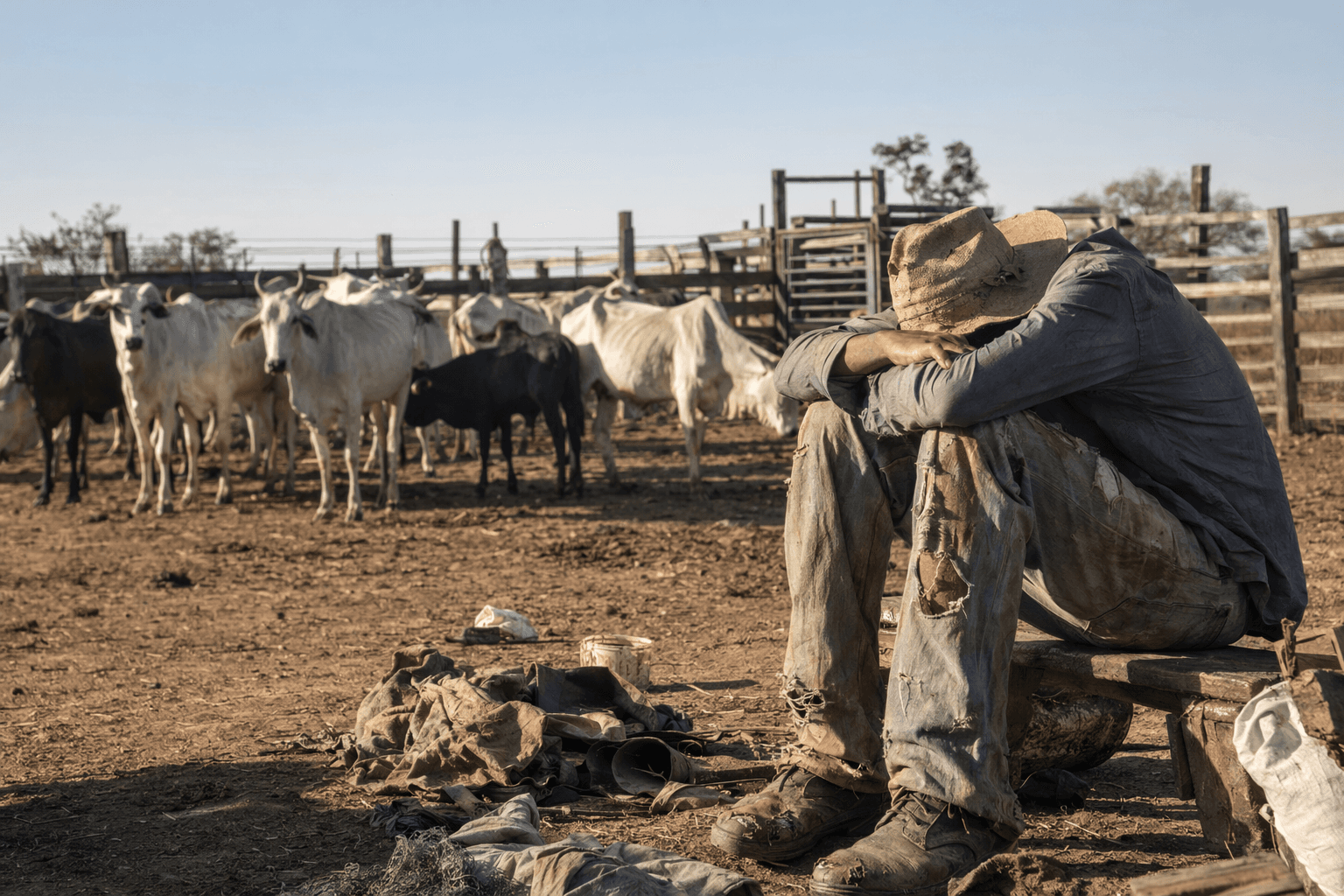
Brazilian labor prosecutors have sued JBS in a labor court in Pará, accusing the world’s largest meatpacker of buying cattle from farms linked to slavery-like conditions and seeking nearly 119 million reais, about $24 million, in compensation. The case puts one of Brazil’s most powerful agribusiness companies back under pressure over how cattle move from remote ranches into the export economy.
According to the filing, 53 workers were rescued from properties owned by seven ranchers who supplied JBS between 2014 and 2025. Those ranchers were listed in Brazil’s official registry of employers found to have subjected workers to slavery-like conditions. Prosecutors said JBS’s sourcing showed a “systematic pattern of negligence,” arguing that the company cannot distance itself from abuses at the bottom of its supply chain when it profits from the cattle at the top.
The lawsuit was filed on April 29, 2026, in northern Brazil, where Pará remains a flashpoint for land use, ranching and labor enforcement in the Amazon frontier. It also fits into a broader push by the Public Prosecutor’s Office for Labor, known as the MPT, which has been targeting supply-chain labor abuses under an operation called “Reação em Cadeia,” or “Chain Reaction.” That effort has aimed at more than 30 Brazilian companies and public entities across investigations spanning 2024 through 2026.
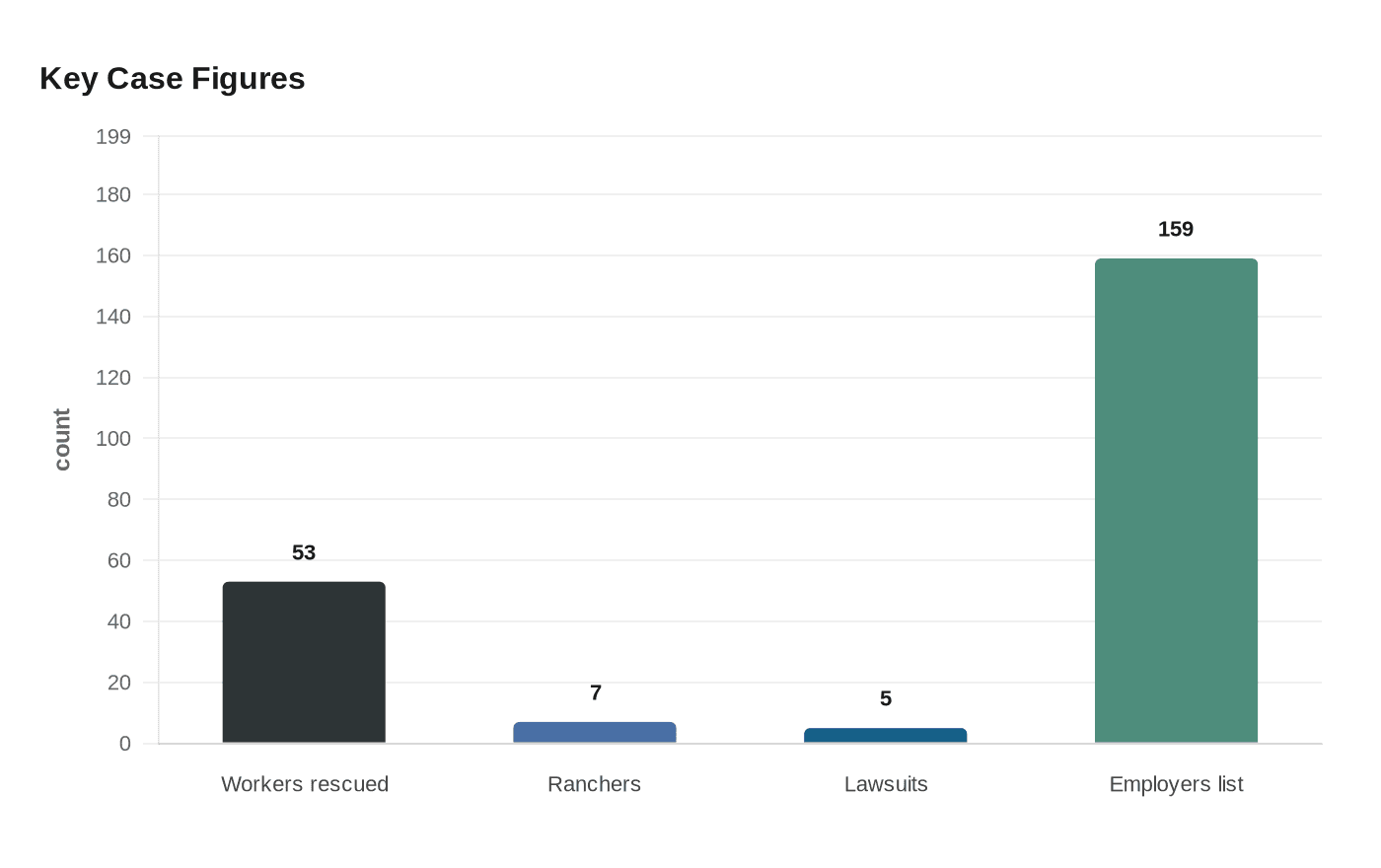
JBS is not the only company under scrutiny. Labor prosecutors have filed five lawsuits against firms over abuses in their supply chains, and Cargill is among the other targets. The pattern reflects a wider enforcement strategy in Brazil, where prosecutors are pressing companies to verify not only direct labor practices but also the conditions attached to upstream suppliers, contractors and ranches far from corporate headquarters.
The case also draws strength from Brazil’s “Dirty List” registry, which has existed since 2003 and was updated in October 2025 to 159 employers. The list remains a central enforcement tool for identifying companies and landowners found to have subjected workers to conditions analogous to slavery. For JBS, the lawsuit raises the risk of larger financial penalties, tighter purchasing controls and deeper reputational damage in markets where buyers are demanding proof that meat is not tied to forced labor or deforestation.
This article was produced by Prism’s automated news system from verified source data, official records, and press releases, then run through automated quality and moderation checks before publishing. The system is built and supervised by the people who set the standards it runs under. Read our full AI policy.
Did this article answer your question?


