Ukraine strikes Russian Tuapse oil hub again, environmental disaster deepens
Repeated drone strikes have left Tuapse's refinery burning again, with oil leaking into the Black Sea and residents warned to stay inside, close windows and drink bottled water.
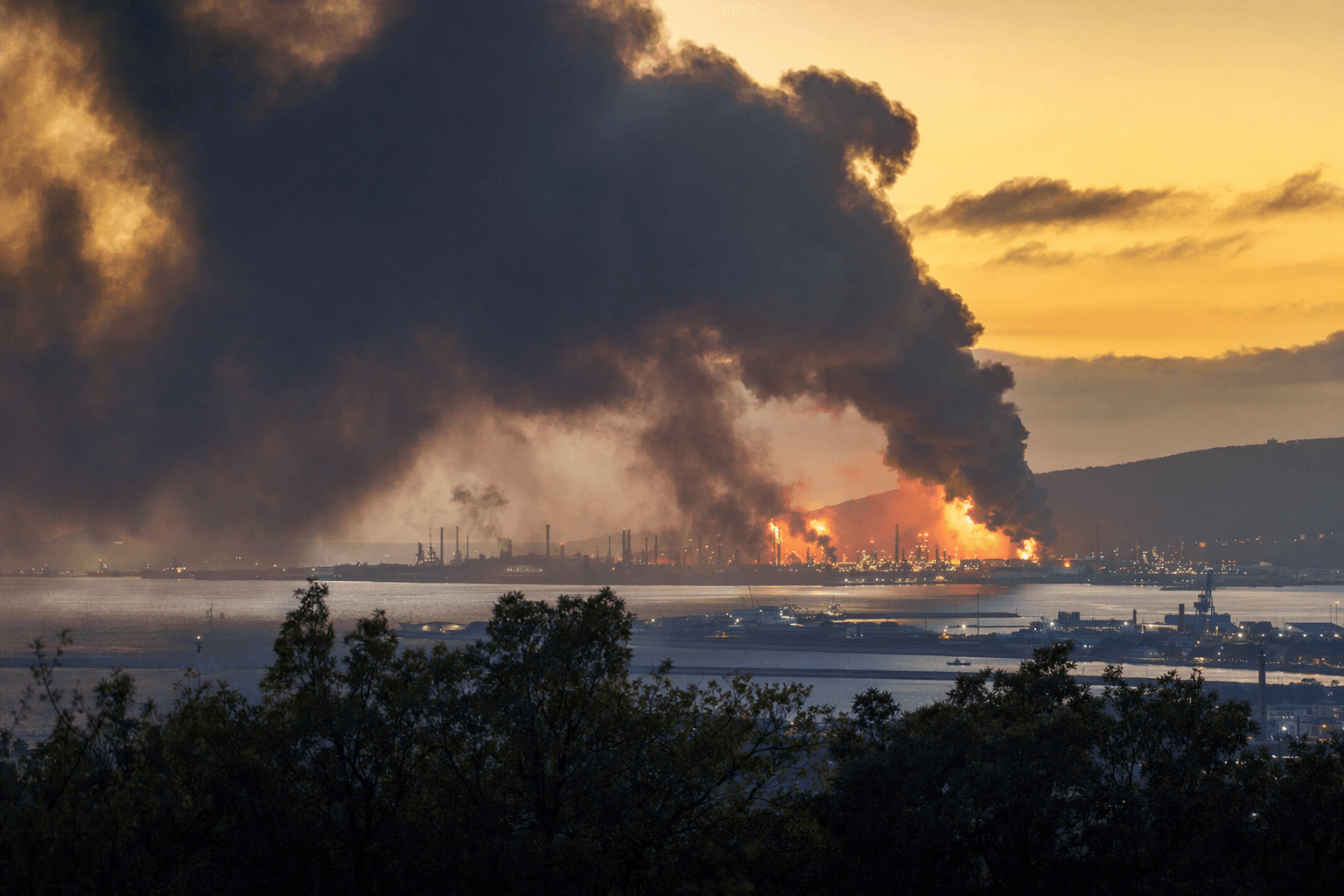
Ukrainian drone strikes hit the Black Sea port of Tuapse again on May 1, marking the fourth attack in 16 days and deepening an environmental crisis that is now reaching homes, schools and the shoreline. Russian officials said a major firefighting operation was underway at the oil terminal and refinery as thick black smoke rose over the resort town, while local authorities struggled to contain oil leaking toward the sea.
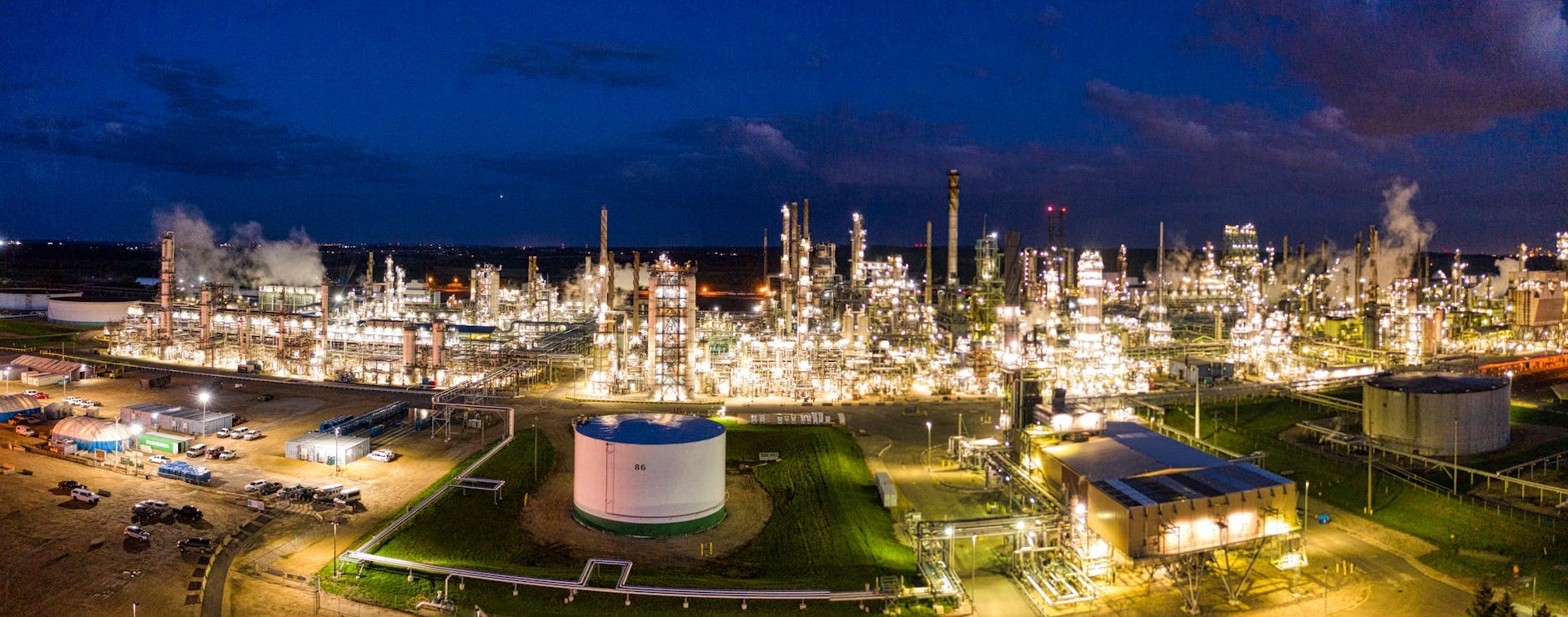
Tuapse matters because it sits at the intersection of war logistics and export revenue. The refinery can process about 12 million tons of oil a year, and it is tied directly to a Black Sea port export terminal that helps move Russian energy out of the region. The plant had already been hit and set ablaze at least twice since April 16, and earlier attacks stopped production. The latest strike came after a previous fire took four days to extinguish, underscoring how quickly damage at the facility can cascade into a wider disruption of fuel flows.
The human cost in Tuapse has grown alongside the industrial damage. Local authorities declared an environmental state of emergency after earlier attacks and ordered some residents living near the refinery to evacuate. Others were told to stay indoors, keep windows closed and drink only bottled water. Schools in Tuapse were shuttered because of the pollution, and residents described oil washing onto beaches, dark drops of rain falling on the town and soot settling on houses. For a seaside community near Sochi that depends on summer tourism, the damage reaches beyond the refinery fence line.
The Kremlin has used the strikes to argue that Ukraine is targeting civilian infrastructure, while Kyiv has cast the attacks as part of a broader effort to weaken the Russian war machine by hitting energy assets. President Volodymyr Zelenskyy said the strikes were designed to disrupt Russia’s energy industry and claimed Ukrainian operations had cut at least $7 billion from Russia’s energy revenues since the start of the year, a figure that could not be independently verified. On April 28, Vladimir Putin warned that the Tuapse attacks could have serious environmental consequences, and Russian officials said the flow of oil products into the Black Sea had been stopped, with booms planned to keep spills from spreading.
What is unfolding in Tuapse looks less like a single refinery fire than a widening front in the war, one that now threatens public health, coastal ecosystems and the energy routes that help fund Moscow’s campaign.
This article was produced by Prism’s automated news system from verified source data, official records, and press releases, then run through automated quality and moderation checks before publishing. The system is built and supervised by the people who set the standards it runs under. Read our full AI policy.
Did this article answer your question?


