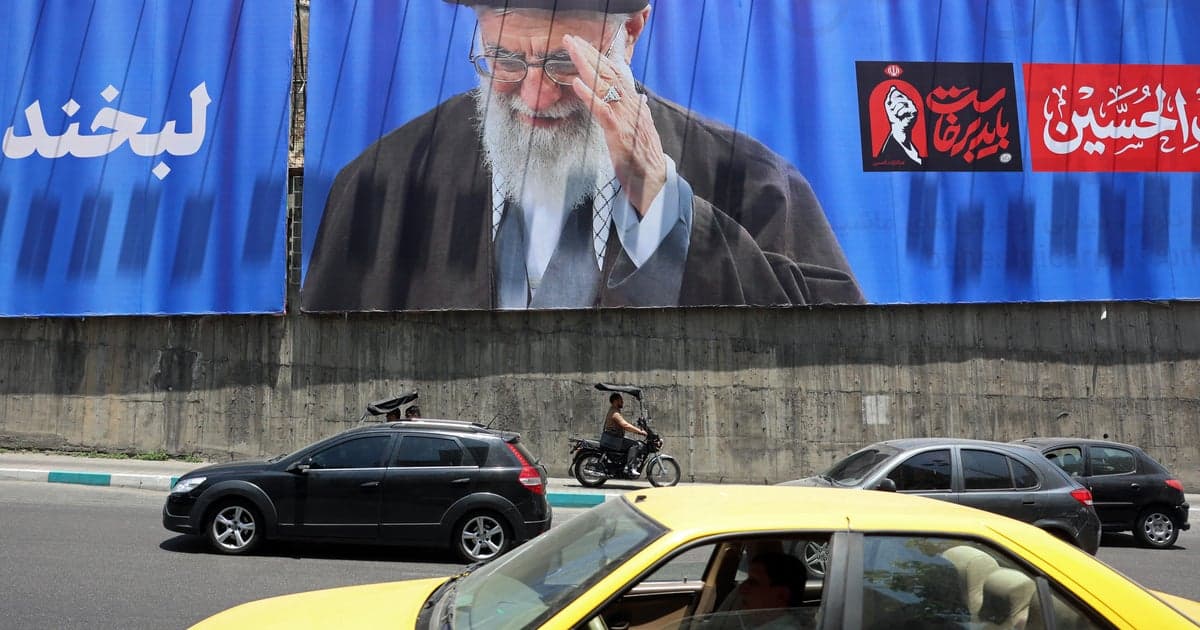
Trump dismisses Iran peace proposal as Strait of Hormuz costs soar
Iran offered a new peace plan as Trump brushed it off, while a Hormuz standoff pushed up shipping and energy costs across a critical global chokepoint.
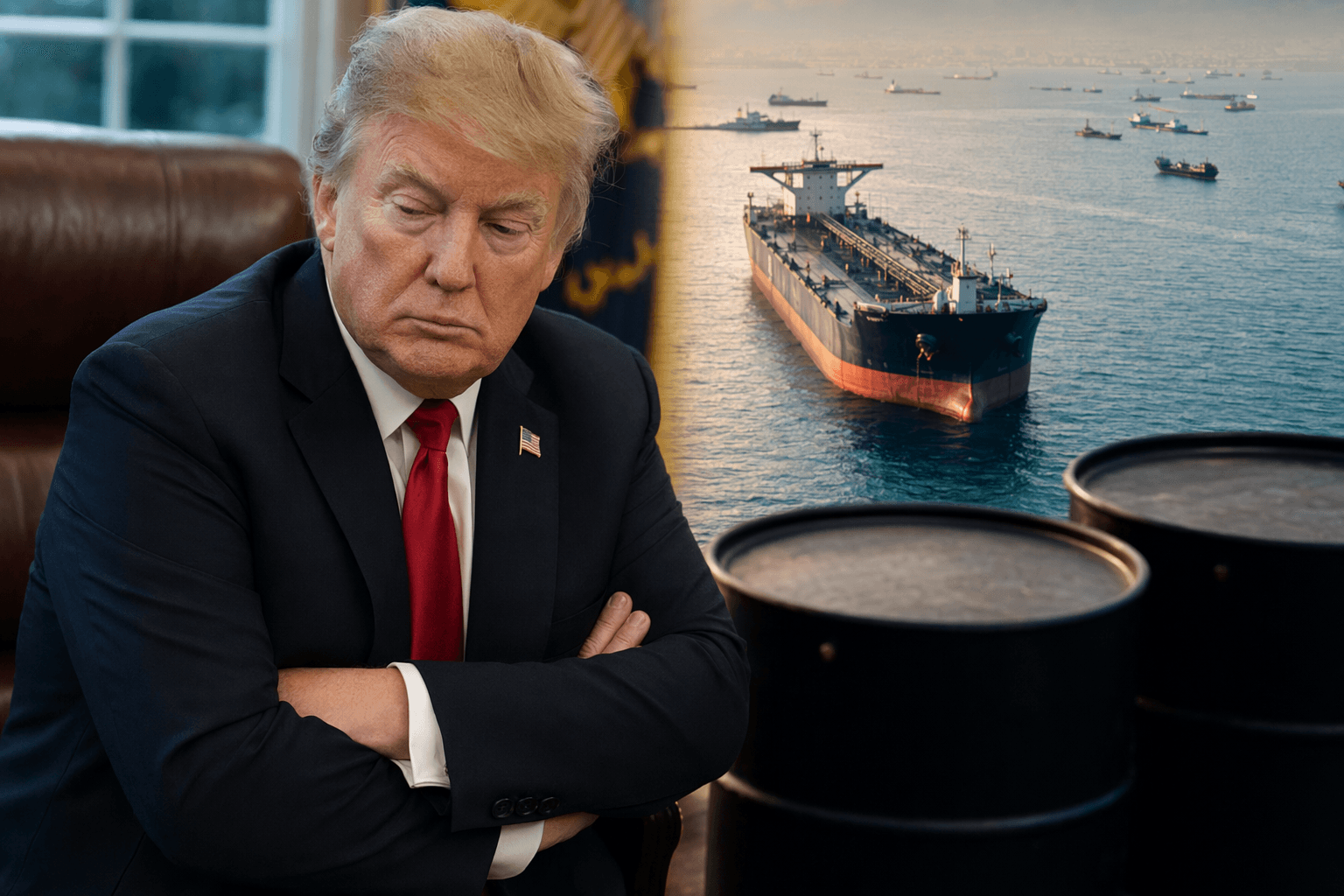
Iran’s latest peace proposal ran straight into Donald Trump’s refusal to budge, deepening a standoff that is now reverberating far beyond the battlefield. Trump said he was dissatisfied with the Iranian offer even as costs around the Strait of Hormuz continued to climb, a sign that the deadlock is now threatening U.S. military risk, oil markets, and the fragile diplomatic track that had briefly suggested an off-ramp.
The pressure is sharpest in the waterway at the center of the crisis. The U.S. Energy Information Administration says about 20 million barrels a day passed through the Strait of Hormuz in 2024, roughly 20% of global petroleum liquids consumption, and about one-fifth of global LNG trade also moved through it. That makes every new interception, threat, or delay immediately relevant to fuel prices, tanker insurance, and supply chains stretching from Asia to Europe. CBS reported that the U.S. Navy seized an Iranian-linked vessel near the strait, identifying it as the Iranian-flagged cargo ship Touska intercepted by the USS Spruance in the Gulf of Oman.
The diplomatic channel is narrowing as fast as the shipping lane. CBS reported that the administration had weighed an Iranian offer that would reopen the strait while delaying nuclear talks, but that Tehran did not plan to attend peace talks in Pakistan with JD Vance, Steve Witkoff and Jared Kushner. Trump said he was “under no pressure whatsoever” to make a deal, even after he had earlier set an ultimatum over the strait that was postponed amid what he called “good and productive” peace talks. CNN also reported that Trump called it “treasonous” to say the United States is not “winning” the war with Iran, despite having notified Congress that the hostilities had “terminated.”
The legal and financial risks are rising alongside the military ones. The Office of Foreign Assets Control warned on May 1, 2026, that Iranian demands for “toll” payments for safe passage through the strait create sanctions risk, and Treasury said payments to the Government of Iran or the IRGC for safe passage are not authorized for U.S. persons. The State Department says U.S. sanctions on Iran date to 1979, after the seizure of the U.S. Embassy in Tehran, underscoring how old the policy framework is even as the crisis keeps evolving.
The wider picture remains unstable. UN reporting said a two-week ceasefire was announced after nearly 40 days of hostilities, but fresh incidents in the Strait of Hormuz kept global shipping and regional stability under strain. CBS reported that the USS Gerald R. Ford carrier strike group was expected to leave the Middle East in the coming days, a possible drawdown that would not erase the danger if negotiations keep hardening into a longer economic and military confrontation.
This article was produced by Prism’s automated news system from verified source data, official records, and press releases, then run through automated quality and moderation checks before publishing. The system is built and supervised by the people who set the standards it runs under. Read our full AI policy.
Did this article answer your question?