U.S. to withdraw 5,000 troops from Germany within months
The Pentagon will pull about 5,000 troops from Germany within 6 to 12 months, sharpening fears that Washington is using force posture to punish a NATO ally.
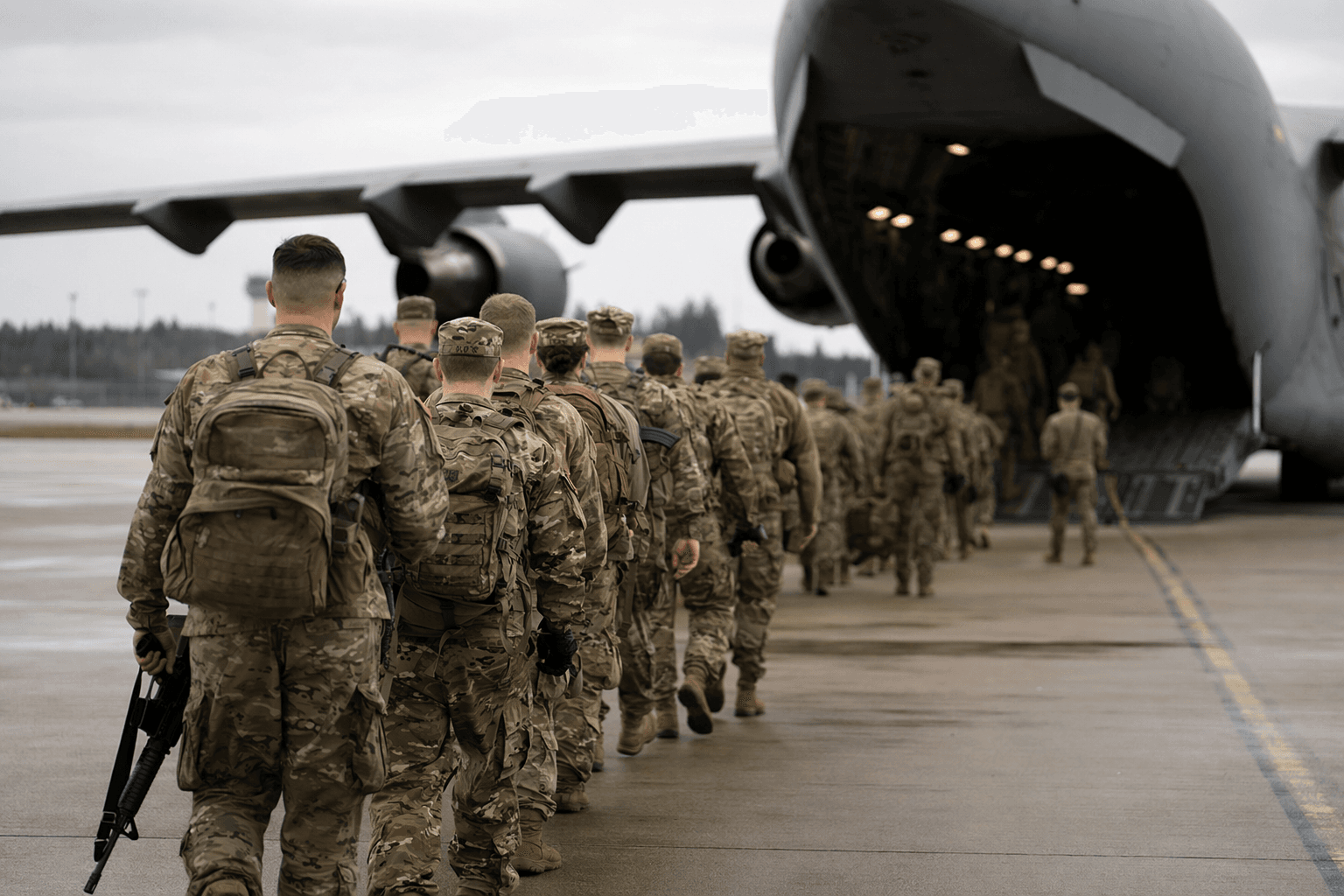
The Pentagon’s decision to withdraw about 5,000 U.S. troops from Germany within the next six to 12 months landed as more than a personnel move. It signaled a renewed strain in the transatlantic alliance, with President Donald Trump pressing to shrink America’s footprint in Europe just as his dispute with German Chancellor Friedrich Merz over the U.S.-Israel war with Iran intensified.
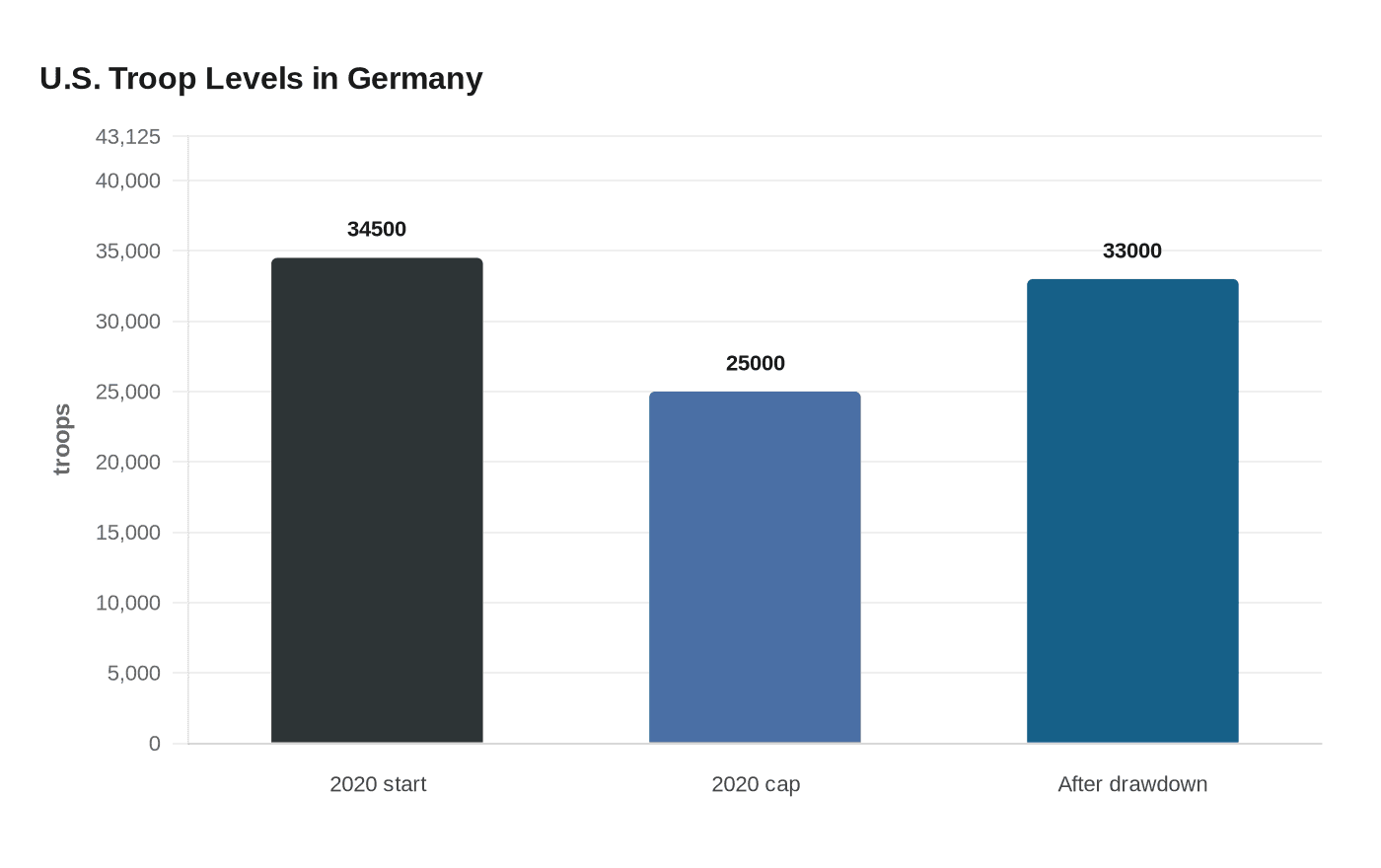
U.S. officials said it was not yet clear which units or bases would be affected, but the impact reaches far beyond the head count. Germany has long served as a central logistics hub for U.S. troop movements to the Middle East and as one of NATO’s most important forward positions in Europe. After the drawdown, roughly 33,000 U.S. troops would still remain in Germany, a sizable force but one that underscores how Washington is recalibrating, not retreating outright.
The move revived memories of Trump’s earlier effort in 2020 to cut U.S. troop levels in Germany from about 34,500 to no more than 25,000. That plan, later described by Defense Secretary Mark Esper as affecting 11,900 personnel, would have sent about 6,400 troops back to the United States and shifted about 5,400 to other parts of Europe. At the time, German officials warned that any reduction should not signal that Washington was less invested in Europe.
Annegret Kramp-Karrenbauer, then Germany’s defense minister, said the withdrawal must not send Russia the message that the United States was less interested in Europe. Her warning captured the larger strategic fear now resurfacing in Berlin and across NATO: that troop movements are being used not just to manage force posture, but to register political displeasure with an ally.
That concern was echoed in 2020 by leaders in Bayern, Baden-Württemberg, Hesse and Rheinland-Palatinate, who wrote to members of Congress asking them to block the withdrawal plan. Their intervention reflected the local stakes around bases such as Ramstein Air Base and Spangdahlem Air Base, where U.S. forces support operations that extend well beyond Germany’s borders. Ramstein, in particular, has been described by German and NATO officials as a key hub for deployments and support missions.
The latest drawdown carries the same message with sharper edges. Germany remains a backbone of the U.S. military presence in Europe, a legacy of World War II and the Cold War. Pulling thousands of troops from that posture, while the war in Ukraine and tensions with Russia continue to test NATO, raises a harder question than where the units will go: whether Washington is now using military positioning to punish disagreement inside the alliance itself.
Sources:
Know something we missed? Have a correction or additional information?
Submit a Tip