Thailand offers five-year visa for Muay Thai, cooking, cultural activities
Thailand is turning Muay Thai, cooking, and festivals into a five-year visa pitch, blending tourism spending with soft-power branding.
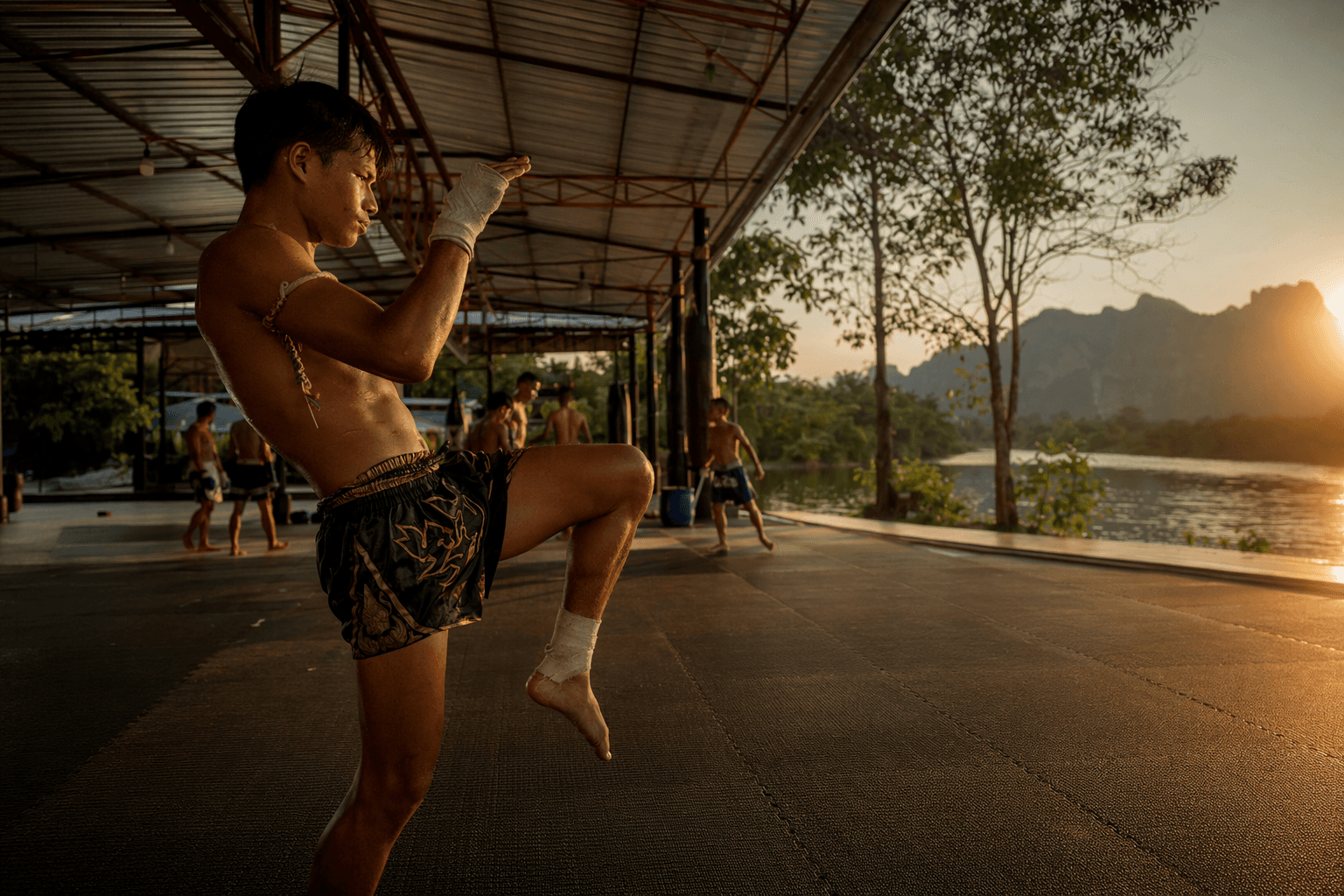
A visa built around culture, not just sightseeing
Thailand has turned Muay Thai lessons, cooking classes, cultural festivals, and even medical treatment into a long-stay offer for foreigners who want more than a short holiday. The Destination Thailand Visa, or DTV, is valid for five years and is designed for workcation travelers and people taking part in Thai soft-power activities, a policy that treats culture as an exportable economic asset rather than a side attraction.
That matters because the country is not simply trying to fill hotel rooms. It is using a familiar tourism playbook, then stretching it into a broader strategy for attracting mobile residents who spend on housing, food, training, wellness, and local services. In that sense, the visa sits at the intersection of tourism policy, national branding, and a subtle form of labor-market engineering.
What the DTV actually allows
The DTV is Thailand’s main vehicle for this strategy. Official guidance says applicants must show financial evidence of at least 500,000 baht and provide documentation proving the purpose of their stay. The visa is described in official materials as allowing stays of up to 180 days per entry, with extension possible in some cases, which makes it much more flexible than a standard short-trip visa.
The list of qualifying activities is deliberately broad. It includes learning Muay Thai, taking Thai cooking classes, joining cultural festivals, and receiving medical treatment, all of which help channel foreign spending into industries that are already central to Thailand’s tourism economy. The visa also covers spouses and children under 20, which turns it from a solo traveler product into something closer to a family-friendly stay option.
- Valid for five years
- Up to 180 days per entry, with extension options in some cases
- Requires at least 500,000 baht in financial evidence
- Covers soft-power activities such as Muay Thai, cooking, and festivals
- Extends to spouses and children under 20
Why Muay Thai became the test case
Muay Thai is the clearest example of Thailand’s soft-power logic because it is both cultural and commercial. Thai officials place it inside the government’s 5F framework, which stands for Food, Film, Festival, Fashion, and Fighting, and the martial art is the “F” that most naturally converts identity into spendable demand. Foreign visitors do not just watch a performance; they pay for instruction, equipment, gym time, and the long stay that comes with repeated training.
The policy did not appear overnight. The government first floated a separate Muay Thai training visa in January 2024, with a plan to let foreign tourists stay for up to 90 days to complete a course, an increase from a previous 60-day limit. That earlier idea showed the state testing whether a longer stay could deepen spending without turning the visa into an open-ended residency route.
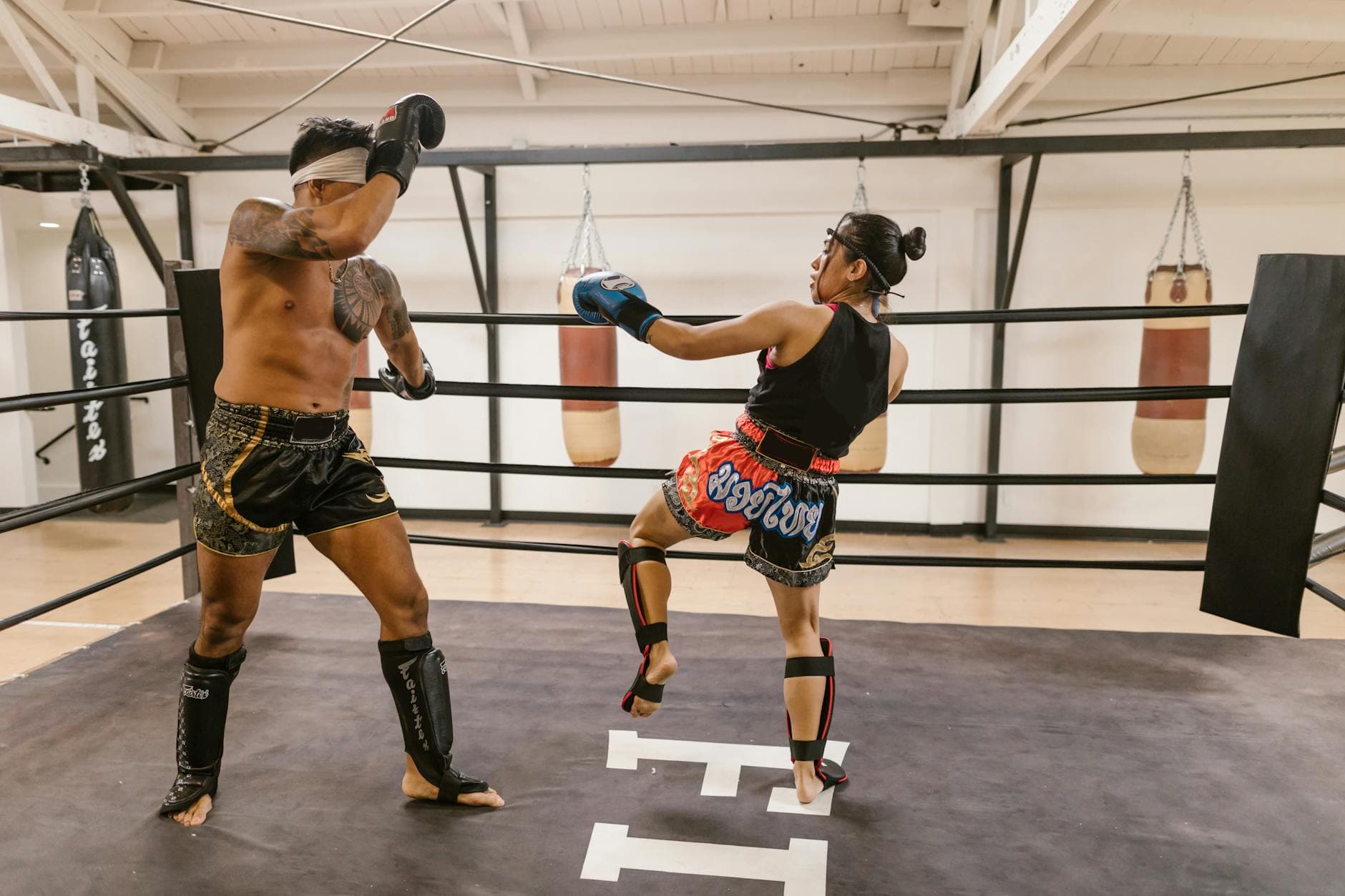
That sequencing tells its own story. Thailand appears to have started with a narrow training product, then folded it into the wider DTV framework for workcation and soft-power travelers launched in July 2024. The result is a more flexible system that packages culture as a legitimate reason to stay longer, spend more, and build a deeper connection with the country.
Why Phuket and Bangkok matter
The policy also reflects where the demand already exists. Foreign Muay Thai trainees were reported arriving in Phuket under 90-day Non-Ed visas as part of the soft-power push, and gym operators in both Phuket and Bangkok welcomed the special visa idea. Their enthusiasm is easy to understand: a student who stays for weeks rather than days buys classes, lodging, meals, transport, and likely repeat visits.
Phuket is especially important because it already sits at the intersection of beach tourism, health tourism, and fitness travel. In Chalong, Soi Ta-iad has become a training hub that draws visitors looking for a mix of martial arts instruction and wellness-oriented travel. That makes the island province a practical laboratory for a policy that wants to turn cultural participation into a longer spending cycle.
Thailand’s tourism officials have framed the move in deliberately economic terms. They want to leverage Muay Thai’s cultural appeal and the country’s value-for-money image to attract more visitors, especially those willing to stay long enough for classes, festivals, or medical treatment to become part of the trip. In other words, the visa is not just a border-control tool. It is a pricing strategy for Thailand’s cultural brand.
Tourism policy, labor-market engineering, or national branding?
The best answer is that it is all three, but at different levels. As tourism policy, the DTV pushes travelers toward longer stays and higher per-visitor spending. As labor-market engineering, it steers foreign demand into sectors that can absorb it, especially gyms, cooking schools, wellness clinics, and hospitality businesses in places like Phuket and Bangkok. As national branding, it tells the world that Thai culture is not passive heritage but a live, monetizable experience.
That blend is what makes the policy notable beyond Thailand. Many countries compete for tourists; fewer try to build visa products around culture itself. Thailand’s approach suggests that in the global race for mobile residents, identity can be sold not only through museums and marketing campaigns, but through residency rules that reward participation in national culture.
The broader lesson is that soft power can be operationalized. When a government links visas to martial arts, food, festivals, and fashion, it turns culture into infrastructure for growth. Thailand is showing other countries that the competition for long-stay visitors may increasingly be won by those that can convert heritage into an economic invitation.
This article was produced by Prism’s automated news system from verified source data, official records, and press releases, then run through automated quality and moderation checks before publishing. The system is built and supervised by the people who set the standards it runs under. Read our full AI policy.
Did this article answer your question?


