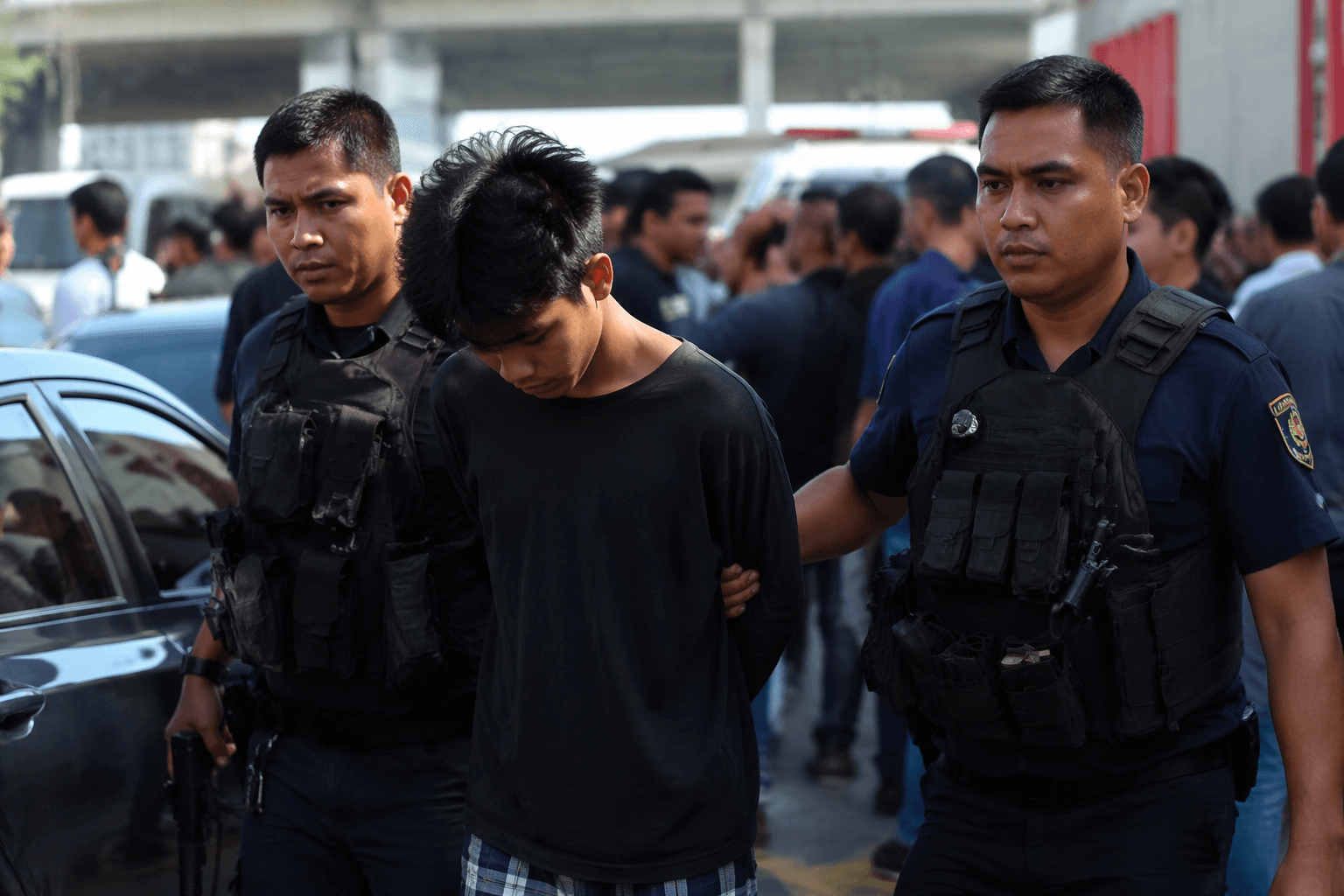
Brazil seizes record cocaine haul hidden in timber cargo
A timber shipment turned into a potential 50-ton cocaine bust, showing how traffickers use legitimate exports and why inspections keep chasing cargo-scale smuggling.

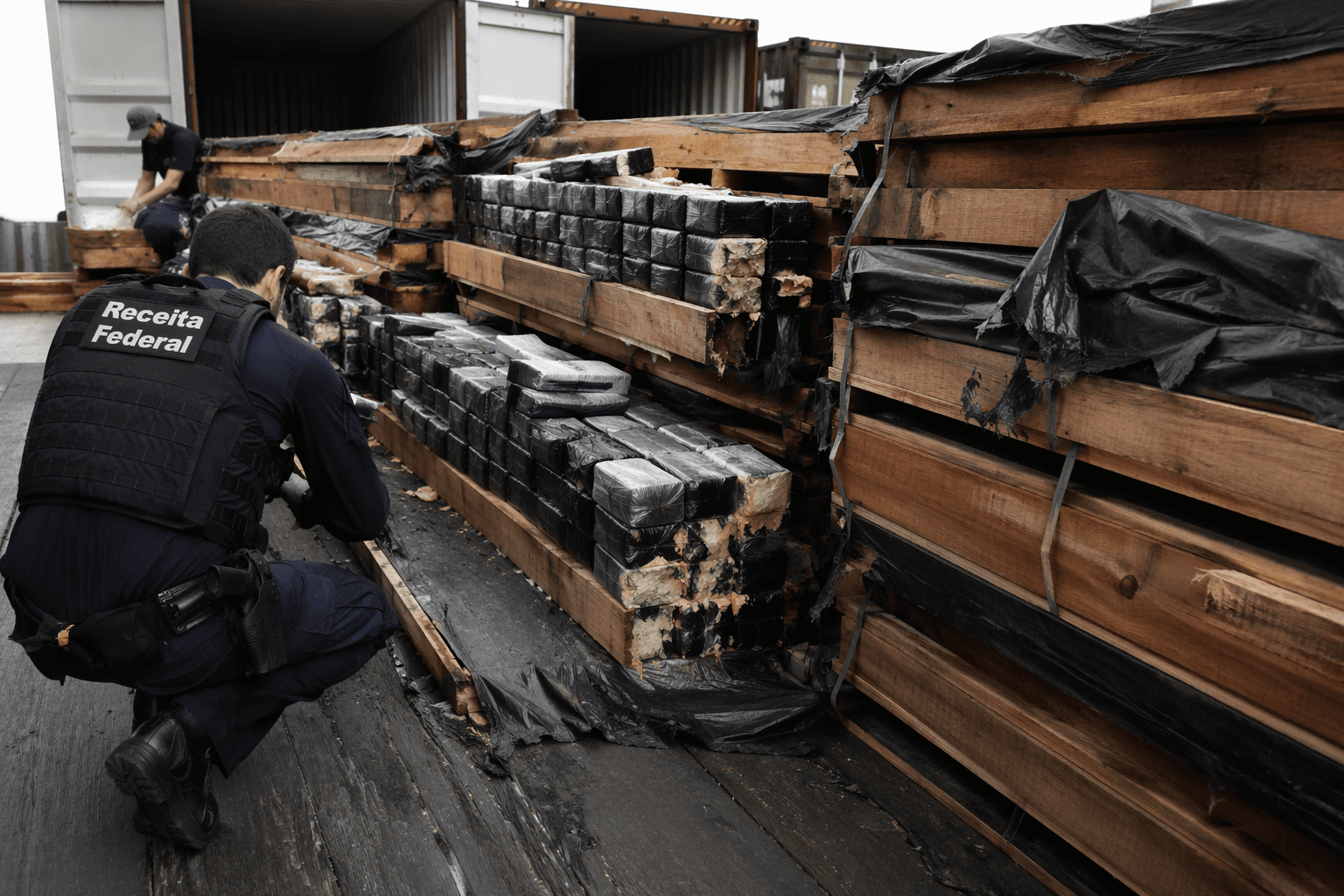
Brazilian authorities intercepted eight trucks carrying about 260 metric tons of timber after shared intelligence pointed to suspected narcotics concealment, in a seizure officials said could become the country’s biggest-ever haul of smuggled cocaine. The operation involved Brazilian authorities alongside U.S. officials and Bolivian officials, underscoring how the cocaine trade now moves across borders as easily as the cargo it hides inside.
The concealment method was the point. By packing drugs into timber cargo, traffickers appear to have gambled that a heavy, bulky export would draw less scrutiny than smaller parcels, turning a legitimate trade lane into cover for an industrial-scale shipment. Brazil’s Federal Revenue Service said concealed drugs could represent 10% to 20% of the cargo’s weight, which would put the total at 20 to 50 metric tons of cocaine if Brazilian Federal Police testing confirms the estimate.
That would push the seizure far beyond routine interdiction and into record territory. It also fits a wider pattern in Brazil, where traffickers have repeatedly used ordinary cargo to mask narcotics. On June 10, 2025, authorities seized 1,505 kilograms of cocaine hidden in 184 tonnes of paper at the Port of Santos, the largest seizure there in four years, and found another 560 kilograms hidden in ferroalloy ore in Salvador the same day.
The stakes extend well beyond Brazil’s ports and highways. A haul this large does not just represent one interrupted shipment; it reflects the scale of supply feeding consumer markets in Europe and the United States, where cocaine demand continues to drive maritime trafficking and violent criminal networks. The logic is simple for traffickers: if one route is blocked, another export channel, another container, or another commodity can be tried.
That adaptability is why interdiction alone keeps showing its limits. A 2025 analysis by the World Customs Organization found internal conspirators in 68% of detected drug shipments, with shipping containers involved in 85% of seizure events and 80% of seized narcotics by volume. Those figures help explain why authorities are focusing not only on drugs themselves, but on the people inside ports, warehouses and freight chains who make concealment possible.
Brazil’s latest bust also follows an increasingly international enforcement pattern. In March 2026, Eurojust described a joint French-Brazilian investigation into a trafficking network tied to 124 kilograms of cocaine found on a cargo ship traveling from Brazil to France, with coordinated actions in Santos, Portugal and France. The message from the timber seizure is stark: criminal networks are exploiting global trade at scale, and governments are racing to match that scale with intelligence, inspections and cross-border coordination.
This article was produced by Prism’s automated news system from verified source data, official records, and press releases, then run through automated quality and moderation checks before publishing. The system is built and supervised by the people who set the standards it runs under. Read our full AI policy.
Know something we missed? Have a correction or additional information?
Submit a Tip