South Korea jails former justice minister for martial law role
South Korea handed former justice minister Park Sung-jae 25 years for helping the failed martial-law bid, deepening a legal reckoning over Yoon Suk Yeol’s power grab.
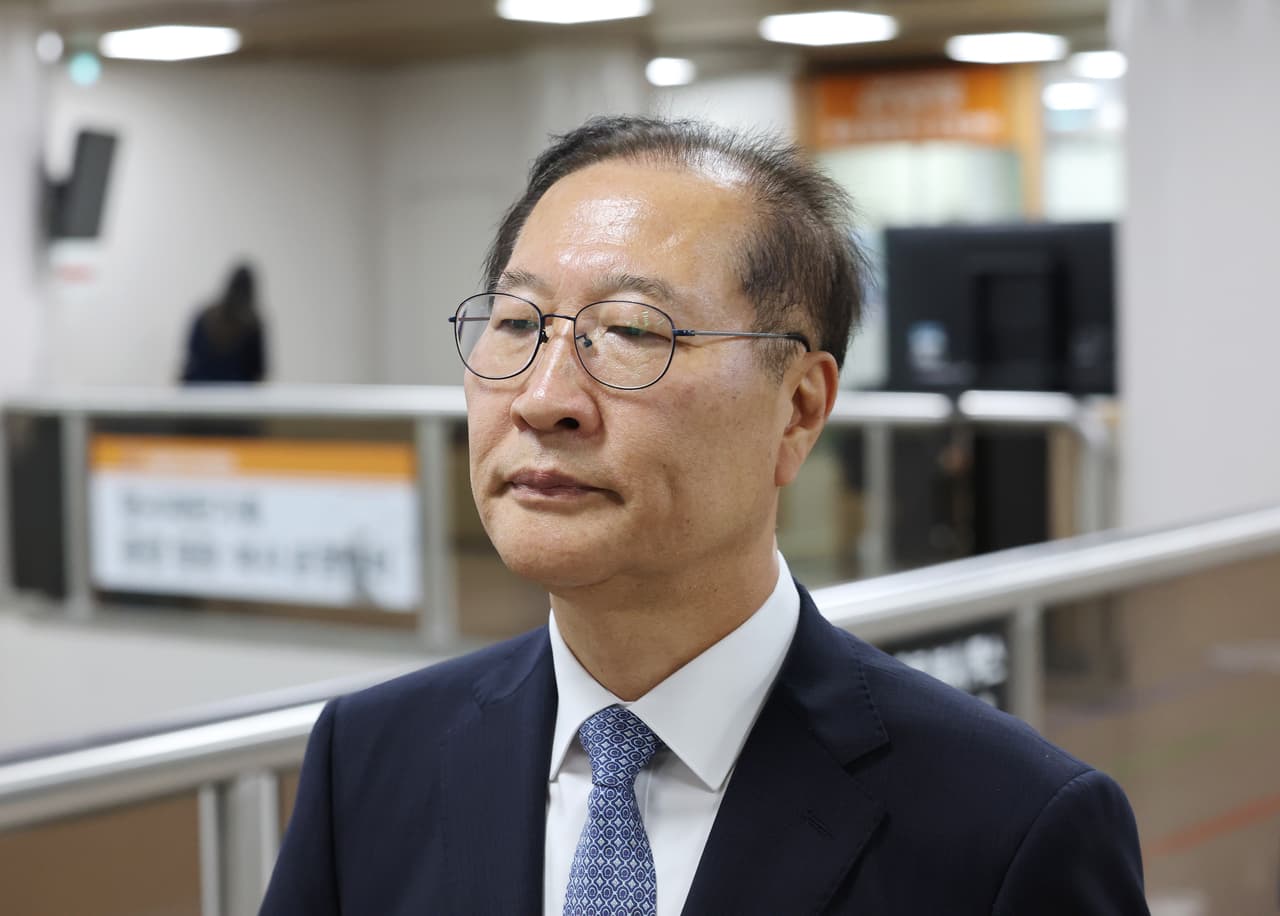
Seoul Central District Court sentenced former justice minister Park Sung-jae to 25 years in prison, making him the latest senior figure to be punished for helping carry out Yoon Suk Yeol’s short-lived martial-law declaration. The ruling on June 22 found Park guilty of involvement in insurrection, a charge that turns the failed decree into a test of how far South Korea’s courts will go in assigning responsibility for a constitutional rupture.
Prosecutors said Park helped prepare the machinery of repression during the hours when Yoon tried to impose military rule. They argued that Park held a meeting of Justice Ministry officials and checked prison capacity in case authorities moved to detain anti-government figures, evidence they said showed cooperation with the martial-law command on the assumption the order would take effect.
Yoon declared martial law at about 10:23 p.m. on Dec. 3, 2024, and the move lasted roughly six hours before lawmakers raced to the National Assembly and voted to block it. During the overnight confrontation in Yeouido, Seoul, National Assembly staff reportedly used fire extinguishers to keep troops from entering the chamber area, a moment that came to symbolize how close the country came to a collapse in civilian control.
The sentence for Park lands within a broader legal and political reckoning that has already reached Yoon himself. The former president has been convicted of leading an insurrection, remains in detention while appealing a life sentence, and earlier in June received a separate 30-year jail term for sending drones to North Korea in an effort to manufacture a national crisis. Reporting last week linked that drone episode to a larger martial-law plot prosecutors and courts say was designed to stir instability and justify authoritarian rule.
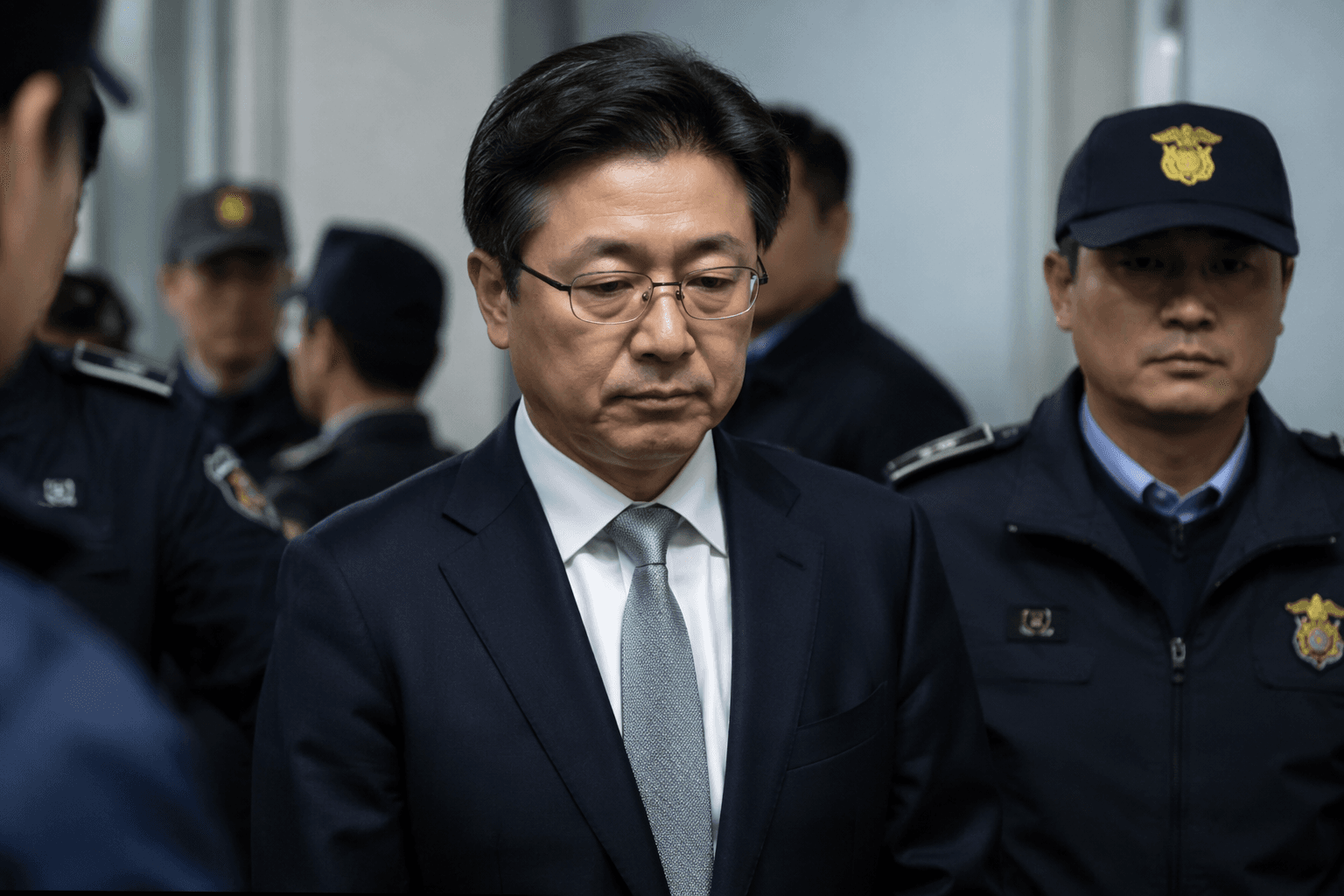
The fallout has also spread beyond Yoon’s immediate circle. Other senior figures, including a former prime minister and former ministers, have already received stiff sentences as investigators and judges work through the chain of command behind the decree. The episode triggered protests, rattled markets, and stunned key allies, including the United States, which had long viewed South Korea as a stable democratic partner.
The political damage was immediate. The Democratic Party denounced the martial-law move at once, while conservative leaders inside Yoon’s own camp, including then ruling-party chief Han Dong-hoon, broke with him and criticized the declaration. Park’s 25-year sentence now adds another layer to South Korea’s effort to use the courts to answer a central question raised by the crisis: whether the state can punish elite abuse without weakening the democratic order it is trying to defend.
This article was produced by Prism’s automated news system from verified source data, official records, and press releases, then run through automated quality and moderation checks before publishing. The system is built and supervised by the people who set the standards it runs under. Read our full AI policy.
Know something we missed? Have a correction or additional information?
Submit a Tip