Philippines school shooting tied to bullying grudge leaves students dead
Three students died at a Tacloban City high school after police said two minors opened fire over a bullying grudge, raising fresh alarms over school safety.
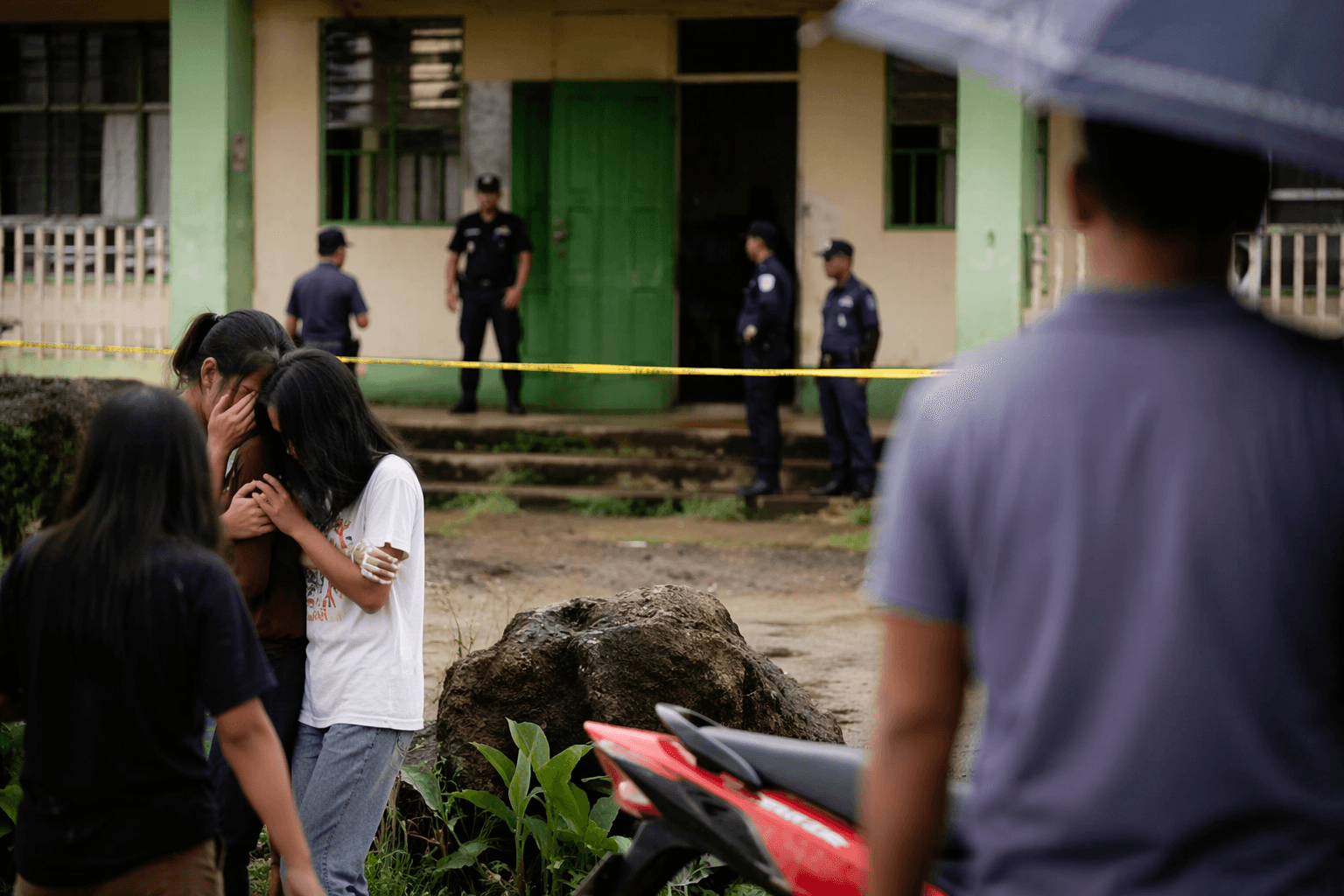
A morning of classes turned lethal at San Jose National High School in Tacloban City when gunfire broke out around 9 a.m., leaving three students dead and at least five others wounded. Police said the attack was initially believed to stem from a grudge tied to school bullying, a motive that has sharpened scrutiny of how early warning signs can be missed even in schools with anti-bullying rules on paper.
Authorities identified two suspects as minors, ages 14 and 15. One was arrested at the scene, while the other was later taken into custody after a manhunt, according to police. The fact that the suspected shooters were students at the same school has intensified concern about access to firearms, peer conflict and whether adults around the students saw enough to intervene before the violence escalated.
Casualty figures continued to shift as the response unfolded. Police confirmed three students were killed, while reports put the number of wounded at five and later seven, once panic-related injuries were included. That uncertainty reflected the chaos inside the public high school in Barangay San Jose, where classes were underway and students were still gathering for the school day when the shooting began.
President Ferdinand Marcos Jr. ordered an investigation into the attack as authorities examined how the minors obtained the weapon and what led to the shooting. The Department of Education in Eastern Visayas condemned the incident, describing it as a high-alert situation, and said it would provide assistance and psychosocial support to affected students, families and school personnel. DepEd also assured victims’ families of immediate aid and continued support.

The shooting stood out in a country where school shootings remain rare, even as gun violence and the illegal firearms trade continue to pose a broader public safety problem. For families in Tacloban and beyond, the violence has turned attention from the attack itself to the warning signs around it: bullying complaints, adolescent conflict, gaps in supervision and the fragile line between school discipline and student safety.
This article was produced by Prism’s automated news system from verified source data, official records, and press releases, then run through automated quality and moderation checks before publishing. The system is built and supervised by the people who set the standards it runs under. Read our full AI policy.
Know something we missed? Have a correction or additional information?
Submit a Tip