U.S. and Iran report progress toward nuclear deal within 60 days
Mediators said U.S. and Iranian negotiators mapped a 60-day path to a deal, but talks kept reopening disputes meant to be settled.
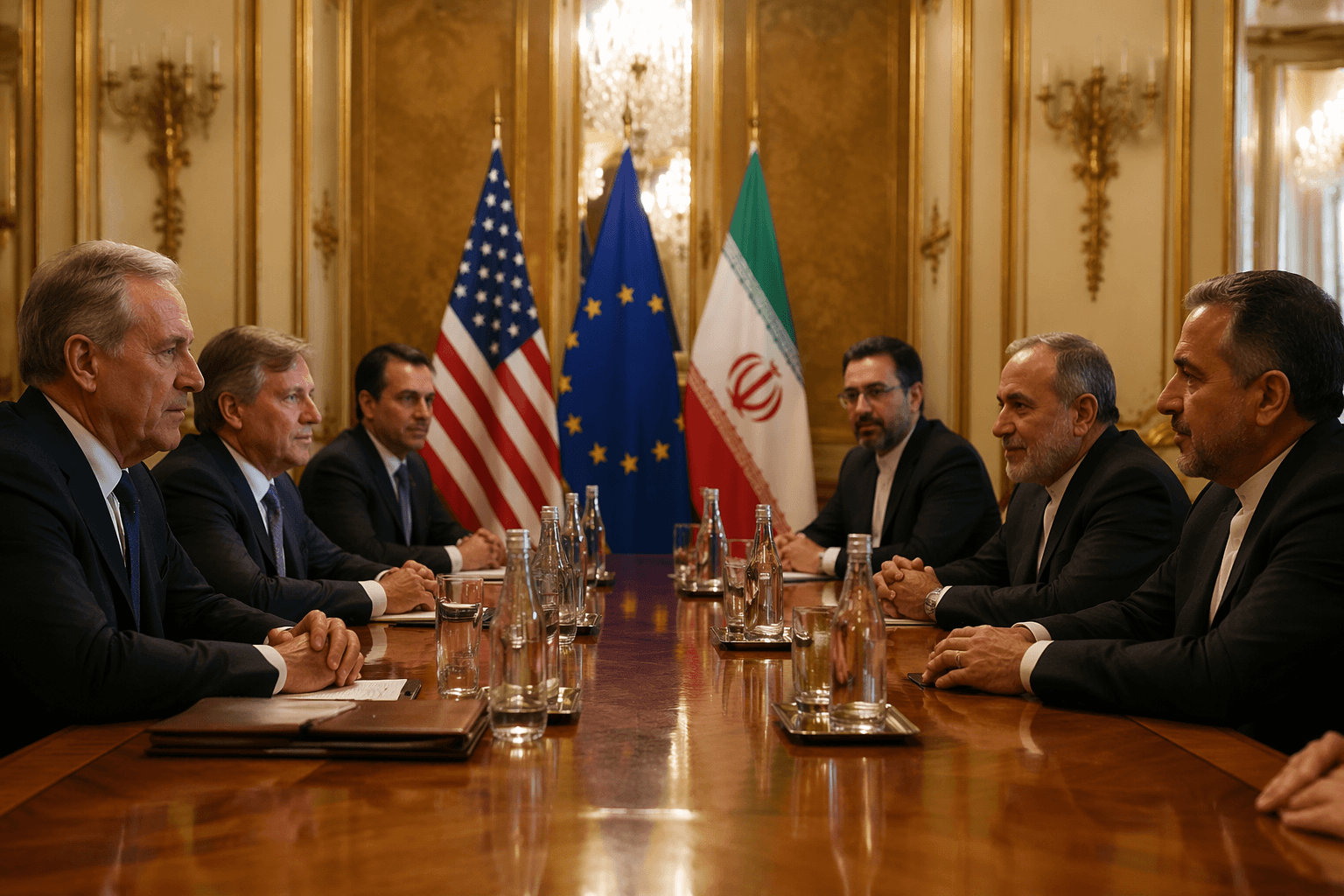
Mediators left the first round of U.S.-Iran talks with a timetable, a technical channel and new safeguards for the Strait of Hormuz, but they also acknowledged that negotiators were still revisiting issues that should already have been locked down. The split-screen result captures the central risk now: momentum is real, yet the hardest disputes over nuclear limits, sanctions relief and regional security remain live.
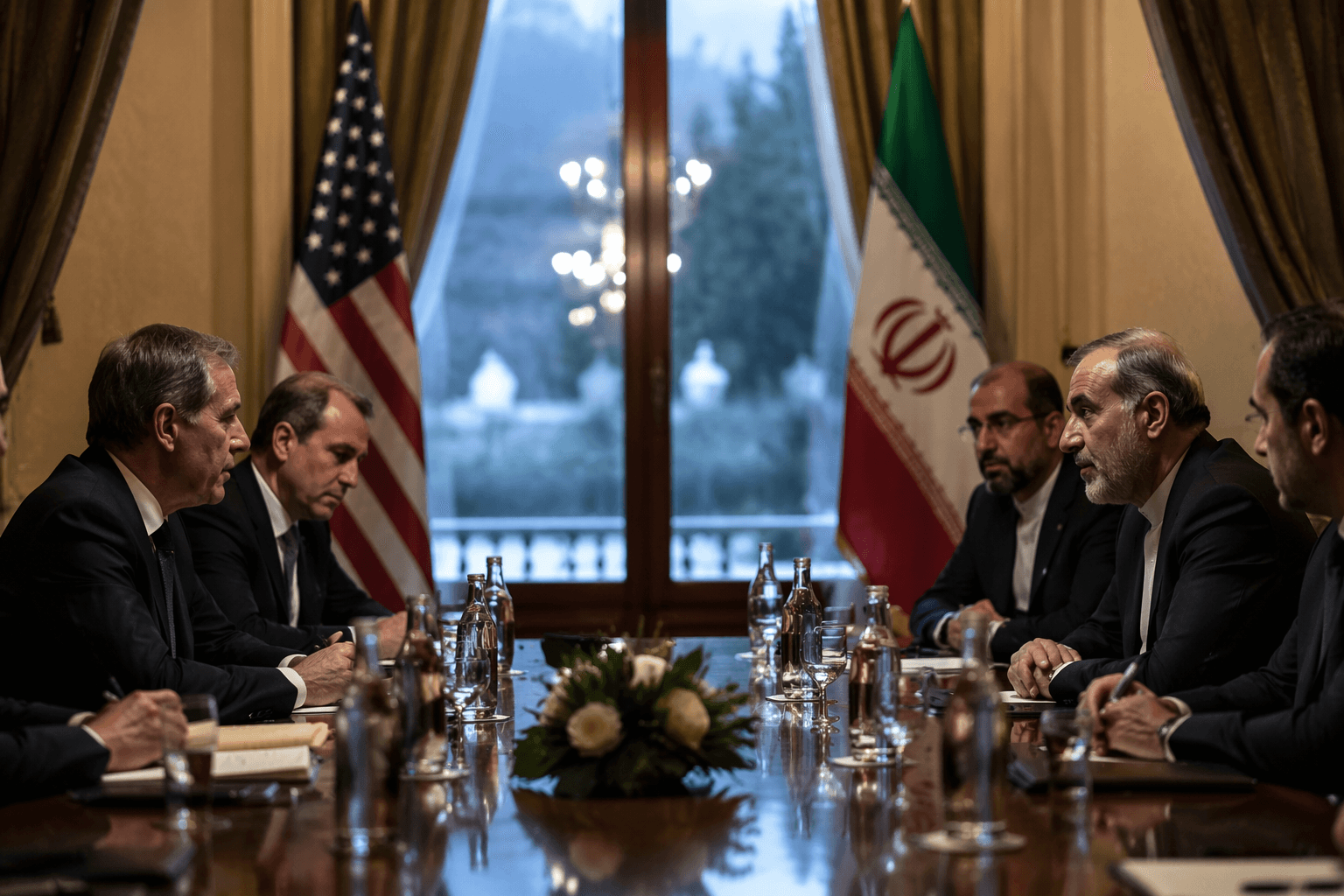
The talks concluded early Monday at the Buergenstock resort overlooking Lake Lucerne, where mediators from Qatar and Pakistan said both sides had agreed to a roadmap toward a final deal within 60 days. They said technical talks would begin immediately and continue for the remainder of the week, while a joint statement added that the parties had agreed to set up a communication line to avoid incidents in the Strait of Hormuz and to create a committee focused on nuclear monitoring and sanctions.
That progress came with important caveats. Abbas Araghchi, Iran’s foreign minister, said there had been “major progress,” while a U.S. diplomat described “robust discussions on all elements of the nuclear deal.” But the mediators also signaled that negotiators were dwelling on matters that had been expected to be settled, a sign that the process is still vulnerable to delay even with a 60-day target in place.
The pressure around the talks sharpened outside the negotiating room. President Donald Trump threatened further attacks on Iran on Sunday while Vice President JD Vance was in Switzerland for the negotiations. Mohammad Bagher Qalibaf, Iran’s lead negotiator, said on X that Iran’s armed forces were prepared to respond, after Iranian officials said the Strait of Hormuz had been closed again amid continued Israeli strikes in Lebanon against Hezbollah.
The negotiations are tied to a June 14 memorandum of understanding that set the 60-day clock in motion, according to the Council on Foreign Relations and other reporting. That draft framework, described as 14 points long, centered first on reopening the Strait of Hormuz, a chokepoint for nearly one-fifth of the world’s oil and natural gas supply, and called for an immediate and permanent end to military operations on all fronts. It also pointed to sanctions relief and the release of frozen or restricted Iranian funds.
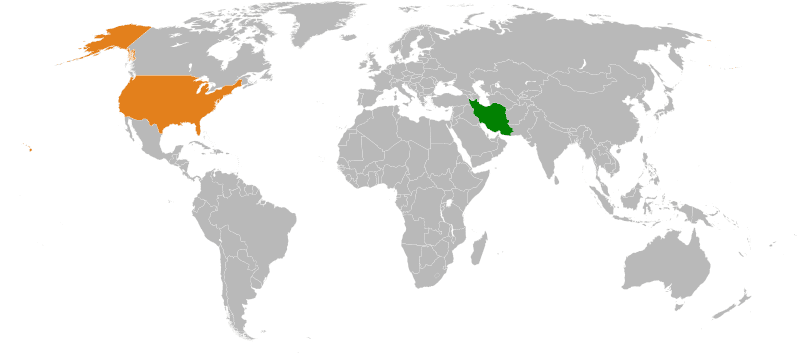
Pakistan and Qatar said the next step was an official signing expected in Switzerland on Friday. Pakistani Prime Minister Shehbaz Sharif said the text would then be released after a public signing ceremony in Geneva attended by Vance, special envoy Steve Witkoff and Jared Kushner. For now, the talks have produced a route map, not a settled peace, and the next 60 days will test whether diplomacy can outrun the disputes still waiting inside the deal.
This article was produced by Prism’s automated news system from verified source data, official records, and press releases, then run through automated quality and moderation checks before publishing. The system is built and supervised by the people who set the standards it runs under. Read our full AI policy.
Know something we missed? Have a correction or additional information?
Submit a Tip