US, Iran agree 60-day roadmap after positive nuclear talks
U.S. and Iranian negotiators left Switzerland with a 60-day roadmap, but inspections, sanctions and enforcement still hang over the deal.

U.S. and Iranian negotiators left Switzerland with a roadmap and a burst of optimism, but the real test now is whether the two sides can turn that momentum into enforceable commitments on nuclear monitoring, sanctions and regional security. The first round of talks in Burgenstock lasted about 18 hours and ended early Monday, with mediators from Qatar and Pakistan calling the atmosphere positive and constructive and saying encouraging progress had been made.
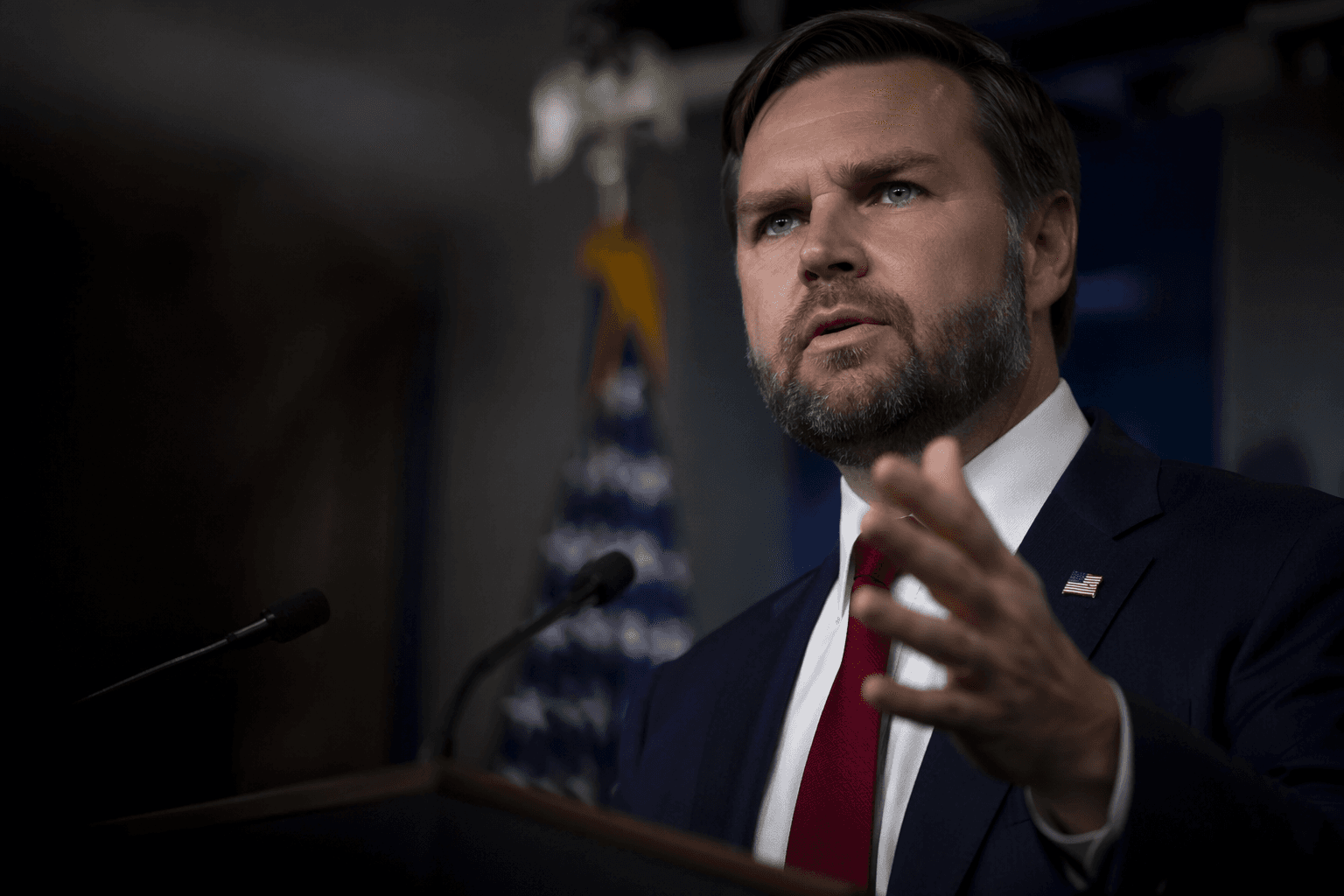
Vice President JD Vance said the meeting produced “a lot of good progress” and insisted the process had only just begun. “We laid a very good foundation for a successful final deal,” Vance said, adding, “The final deal is the house. We set the foundation. We haven’t built the house, but we’ve laid a successful foundation to get to a good place for the American people.” That distinction matters: the parties have set a timetable, not yet a settlement.
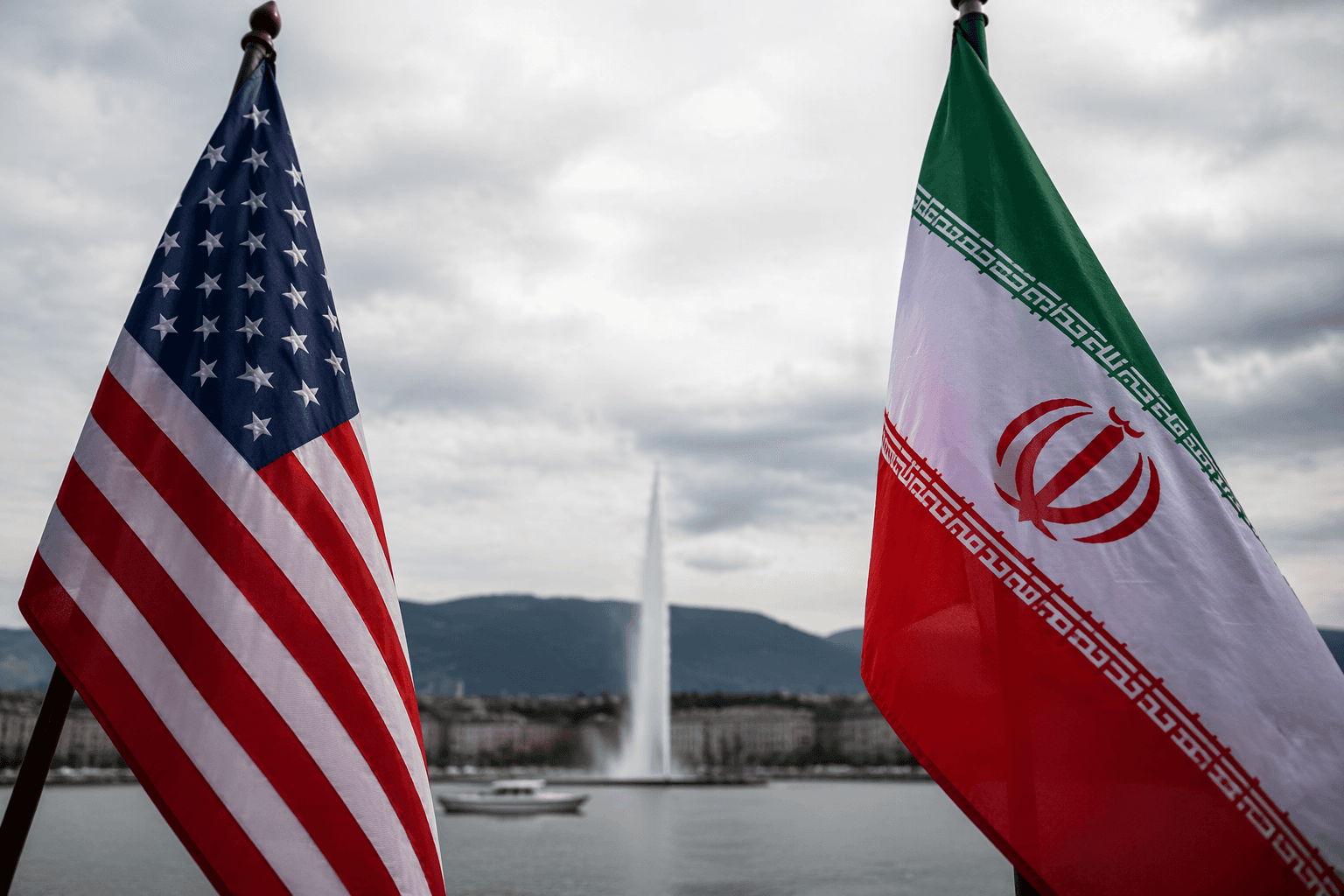
Under the mediator statement, the United States and Iran agreed to a roadmap toward a final deal within 60 days and will continue technical talks for the rest of the week. The sides also created a High-Level Committee to oversee the process, along with working groups focused on nuclear monitoring, sanctions and dispute resolution. Those are the areas most likely to determine whether this becomes a durable agreement or another round of diplomacy that stalls over verification and compliance.
The talks also produced security-related understandings beyond the nuclear file. Mediators said the parties agreed on a mechanism to protect safe transit through the Strait of Hormuz, where Iran has repeatedly threatened to close the waterway, and on a framework to address the fighting in Lebanon. Vance said Iran also agreed to allow United Nations nuclear inspectors back into the country, a key step if any future deal is to be monitored with credibility.
The negotiations took place against a wider regional crisis and a tense backdrop inside the talks themselves. Vance said Iran’s delegation threatened to walk out after inflammatory social-media remarks by President Donald Trump, but that the two sides still moved forward. Reuters reported that Tehran linked progress in the negotiations to an end to the conflict in Lebanon. Pakistani Prime Minister Shehbaz Sharif said the talks concluded successfully, and Iranian officials returned to Tehran after the first round.
For now, the most concrete outcome is the 60-day clock. Whether that clock leads to de-escalation or another breakdown will depend on whether the technical talks can convert broad promises into rules both governments are willing to verify and enforce.
This article was produced by Prism’s automated news system from verified source data, official records, and press releases, then run through automated quality and moderation checks before publishing. The system is built and supervised by the people who set the standards it runs under. Read our full AI policy.
Know something we missed? Have a correction or additional information?
Submit a Tip