Vance says Iran deal could reopen Strait of Hormuz, allow inspectors in
Vance said the Strait of Hormuz was open and Iran had agreed to let IAEA inspectors back in, but Trump had not yet signed a final deal.
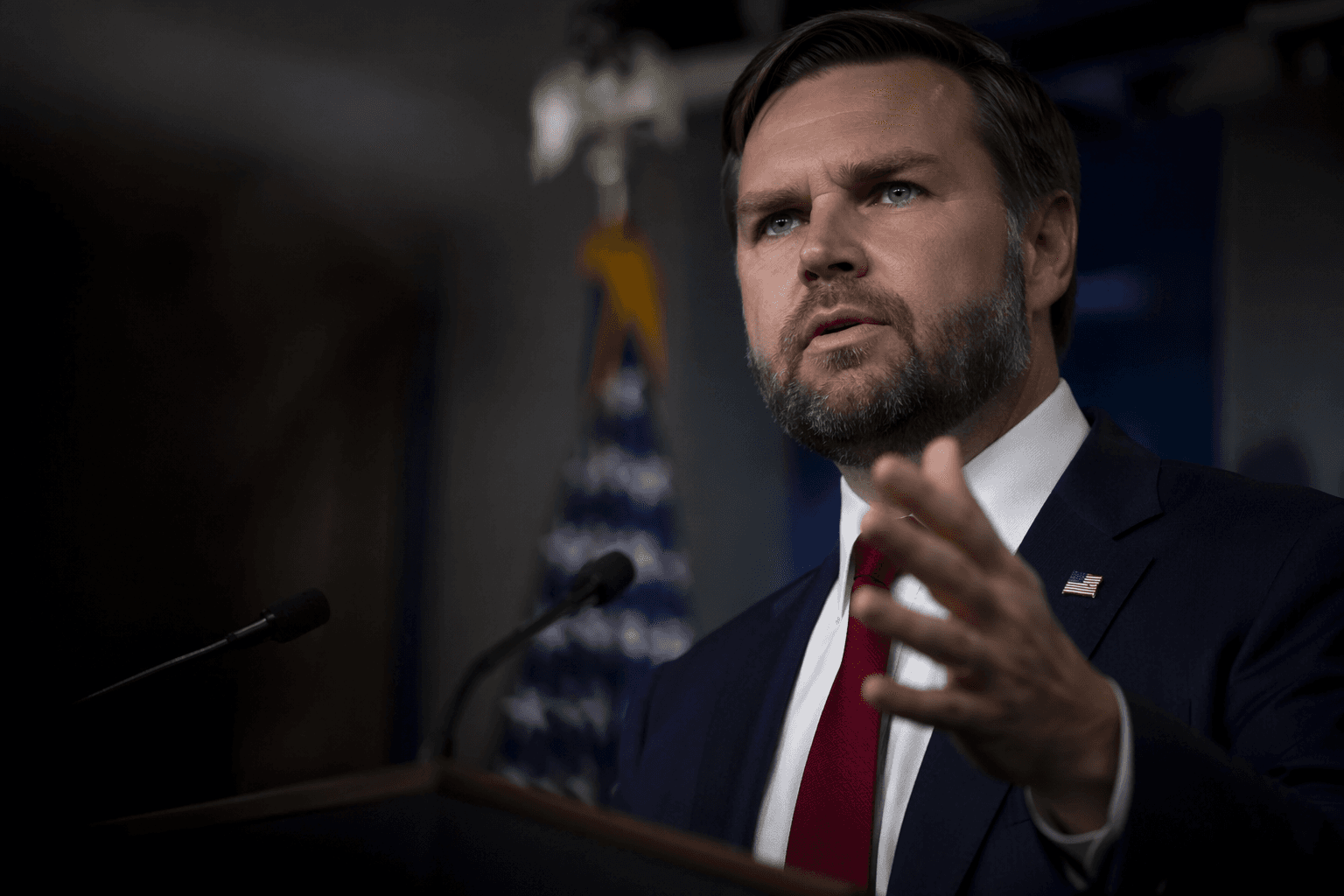
The White House and Vice President JD Vance cast the Iran talks as a breakthrough, but the public case for that claim rested on promises that still had to survive inspection, shipping, and final sign-off. Vance said the Strait of Hormuz was open and that Iran had agreed to allow International Atomic Energy Agency inspectors to return as part of an agreement meant to verify compliance.
The administration said the deal would reopen the Strait of Hormuz to free navigation and ensure Iran never obtained a nuclear weapon. It also said the U.S. and Iran had signed an agreement intended to end the conflict and begin a 60-day period of talks on wider issues, including Tehran’s nuclear program. But Vance said negotiators were still going back and forth, that they were making a lot of progress, and that it remained unclear whether Donald J. Trump would sign a final deal.
That gap between the rhetoric and the mechanics of implementation was central to the story. The White House statement dated June 19 described the agreement as a “historic breakthrough,” yet the draft proposal also called for Iran to immediately reopen the waterway and take steps to restore traffic to pre-war levels within 30 days. Even that timetable did not settle the hardest questions: clearing mines, restoring commercial confidence and convincing ship operators the route was safe could take longer than the paper deadlines suggested.
The stakes were high because the Strait of Hormuz is one of the world’s most important shipping chokepoints, and even brief disruption can ripple through energy and maritime trade. U.S. officials said Iran had attempted to strike commercial ships transiting the strait, while some traffic continued through the waterway during the crisis. The U.S. military also disabled a merchant vessel in the Gulf of Oman after it allegedly tried to break through the American blockade of Iranian ports.
The diplomatic track was moving unevenly alongside the security crisis. Planned talks involving the United States, Iran, Qatar and Pakistan were postponed, even as the administration said the framework would keep pressure on Tehran’s nuclear program. Vance said the full details would be released later that week and denied that Iran would receive “billions of dollars of assets” under the agreement.

For now, the White House has a narrative of control and de-escalation. Whether that narrative becomes a verifiable settlement depends on inspectors, shipping lanes and whether the final document matches the promises already being made.
This article was produced by Prism’s automated news system from verified source data, official records, and press releases, then run through automated quality and moderation checks before publishing. The system is built and supervised by the people who set the standards it runs under. Read our full AI policy.
Know something we missed? Have a correction or additional information?
Submit a Tip