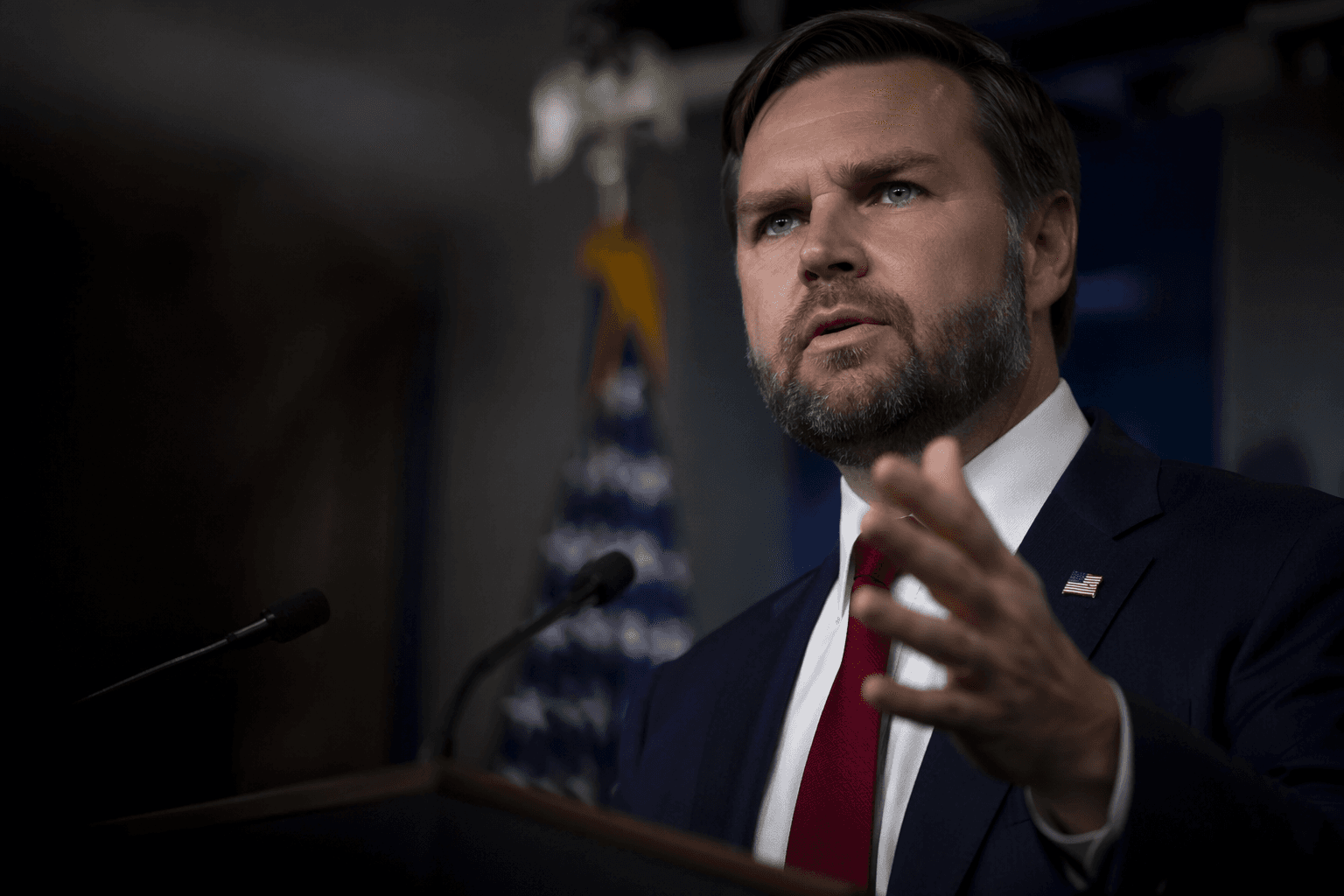
U.S. and Iran agree to 60-day roadmap in Switzerland talks
A 60-day Iran deal roadmap emerged from Switzerland talks as oil prices slipped and Keir Starmer’s resignation added a second layer of uncertainty.
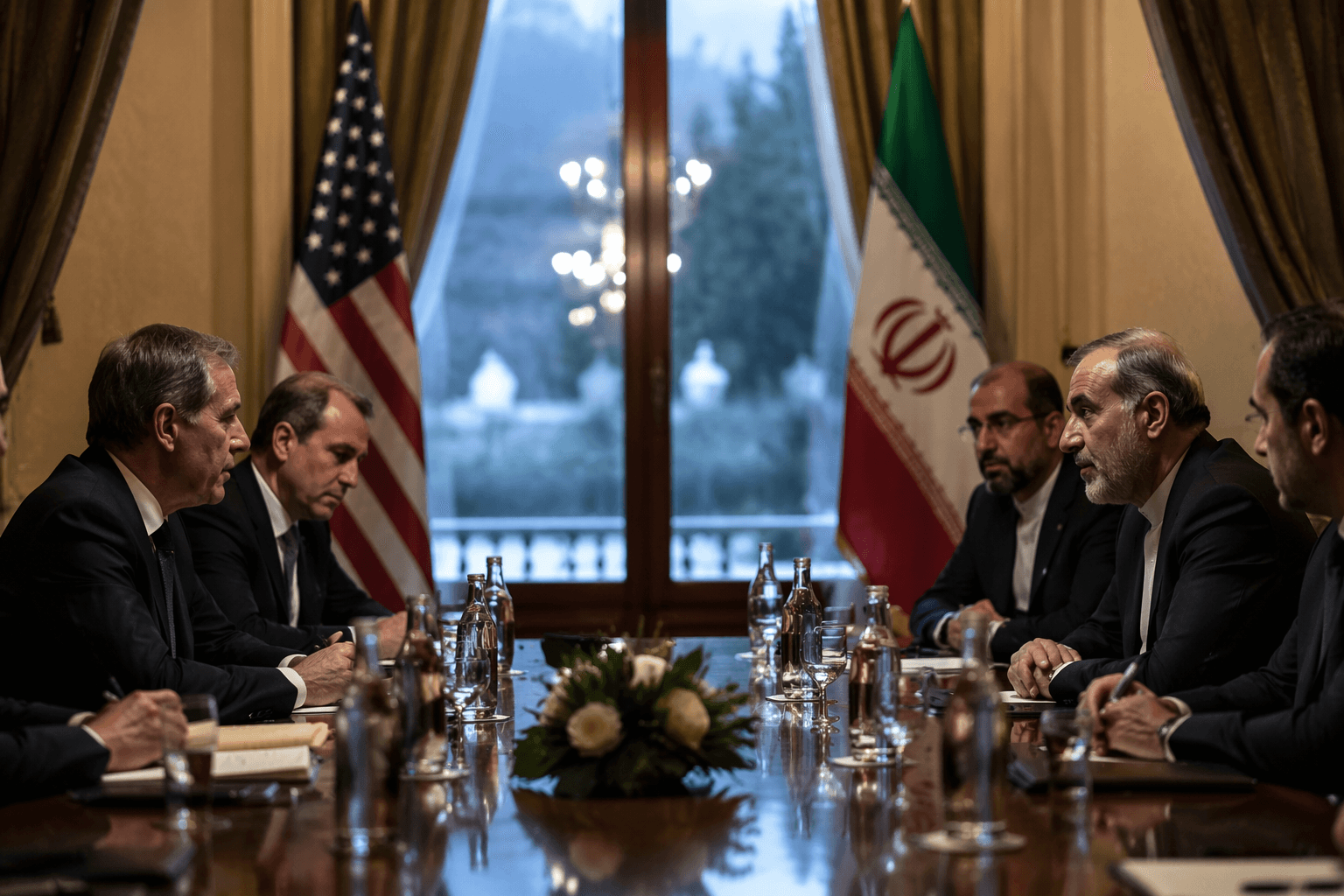
A new 60-day roadmap for a final U.S.-Iran deal emerged from talks at the Bürgenstock resort near Lake Lucerne, giving Washington and Tehran a narrow window to test whether diplomacy can hold before tensions harden again. Mediators from Qatar and Pakistan said the first round of negotiations made “encouraging progress,” even after a tense opening shaped by President Donald Trump’s threats to renew attacks on Iran while the talks were underway.
The discussions were built on a memorandum of understanding signed the previous week, and the mediation framework created a High Level Committee to provide political oversight. Working groups were also formed on nuclear issues, sanctions, monitoring, dispute resolution and wider implementation matters, a sign that both sides are trying to turn the talks from a political thaw into a detailed process with deadlines and reporting lines.
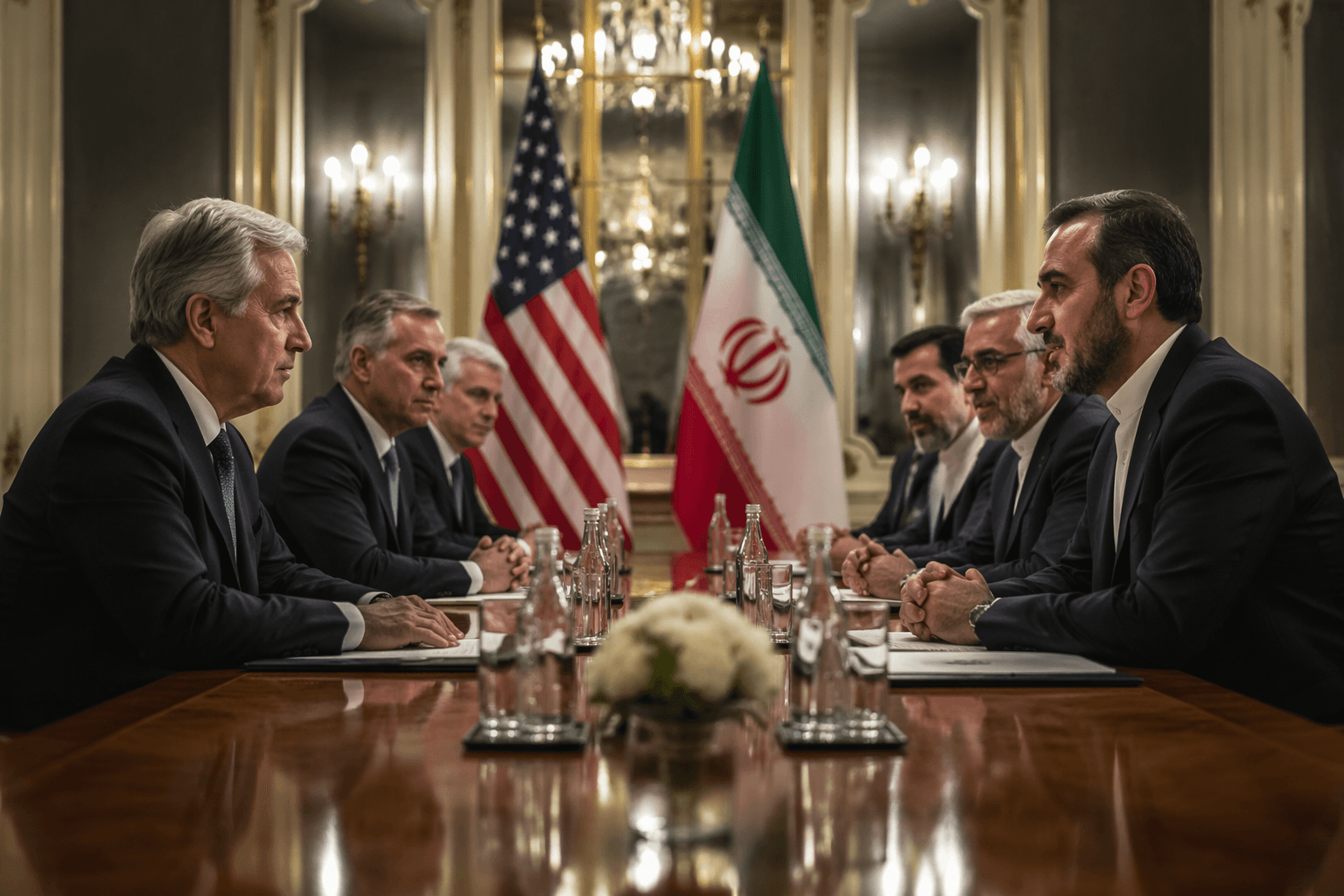
The Swiss session also reached beyond the nuclear file. The talks reportedly included a mechanism tied to the Strait of Hormuz and a separate track aimed at ending military operations in Lebanon, two areas where any misstep could quickly pull in regional actors and complicate U.S. diplomacy. Sources said Washington may also consider releasing frozen Iranian funds so they can be used to buy U.S. agricultural goods, a possible economic lever that would give both sides something concrete to show at home.
The immediate market reaction suggested investors saw the talks as a real, if fragile, de-escalation path. Oil prices fell after the roadmap announcement, reflecting relief that a direct confrontation had not overtaken the negotiations. Technical talks were expected to continue through the rest of the week, and chief negotiators were set to report regularly to the High Level Committee as the process moves into its next phase.
The stakes are rising in Washington’s wider strategic environment at the same time. Keir Starmer announced he will resign as U.K. prime minister after pressure from inside the Labour Party and recent election setbacks, opening a leadership contest that could produce a new British prime minister within weeks. For the United States, the combination of uncertain diplomacy with Iran and political upheaval in a close ally in Europe narrows the room for maneuver just as it needs stable partners to manage conflict risks from the Strait of Hormuz to Lebanon.
This article was produced by Prism’s automated news system from verified source data, official records, and press releases, then run through automated quality and moderation checks before publishing. The system is built and supervised by the people who set the standards it runs under. Read our full AI policy.
Know something we missed? Have a correction or additional information?
Submit a Tip