U.S. and Iran agree to safe passage plan for Strait of Hormuz
Safe-passage talks opened a Hormuz communication line and a Lebanon deconfliction cell, easing oil fears as Brent fell after the joint statement.
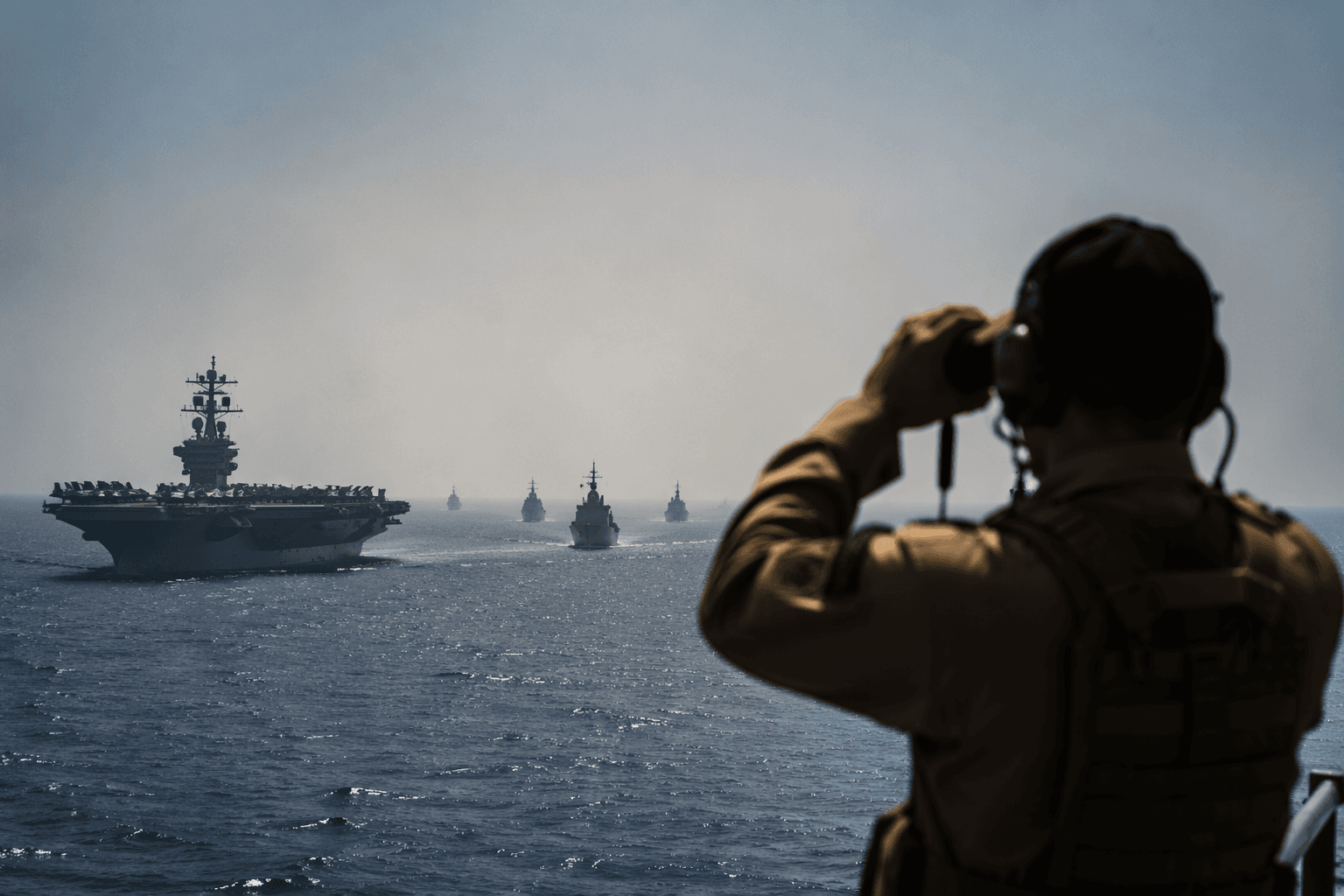
U.S. and Iranian negotiators took a concrete step toward reducing the risk of a wider regional shock, agreeing to set up a communication line for commercial shipping through the Strait of Hormuz and a de-confliction cell aimed at ending military hostilities in Lebanon. Mediators Qatar and Pakistan described the first round of talks as “encouraging progress,” but the real test now is whether the new channels can hold under pressure from war, sanctions and threats to close the world’s most important oil transit lane.
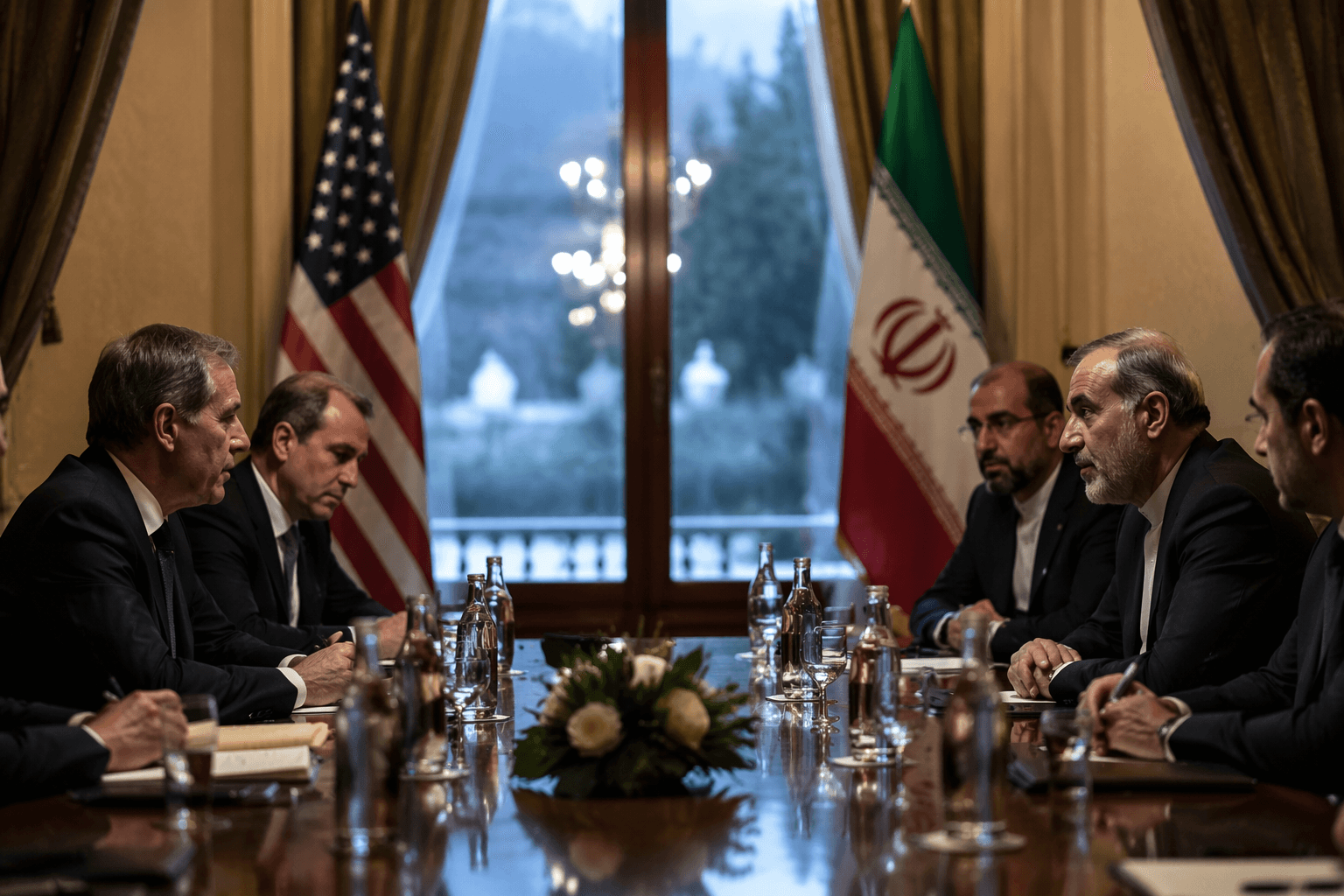
The talks ended early Monday at the Bürgenstock resort overlooking Lake Lucerne in Switzerland after both sides accepted a roadmap toward a final deal within 60 days. A High Level Committee will provide political oversight, while working groups were established on nuclear issues, sanctions and dispute resolution. Technical talks were set to continue for the rest of the week, turning the diplomacy from broad signaling into a series of deadlines, task lists and monitoring mechanisms.
The Strait of Hormuz is central to that equation. Any mechanism that lowers the risk of incidents at sea matters immediately for oil prices, tanker security and insurer confidence, because even a temporary disruption can ripple through global energy markets. Brent crude fell further after the joint statement as fears of a supply shortage eased, showing how quickly markets respond when diplomats make even limited progress on a chokepoint that carries crude and gas from the Gulf.
The political backdrop remained volatile. U.S. Vice President JD Vance led the American delegation, while the Iranian side was led by parliamentary speaker Mohammad Bagher Ghalibaf. The talks came after a memorandum of understanding signed last week extended a fragile ceasefire from April for at least another 60 days. President Donald Trump had threatened to resume attacks on Iran and reportedly warned that Washington could take over the Strait of Hormuz or charge ships to transit it if no final deal emerged, while Iran again declared the strait closed in response to Israeli strikes in Lebanon.
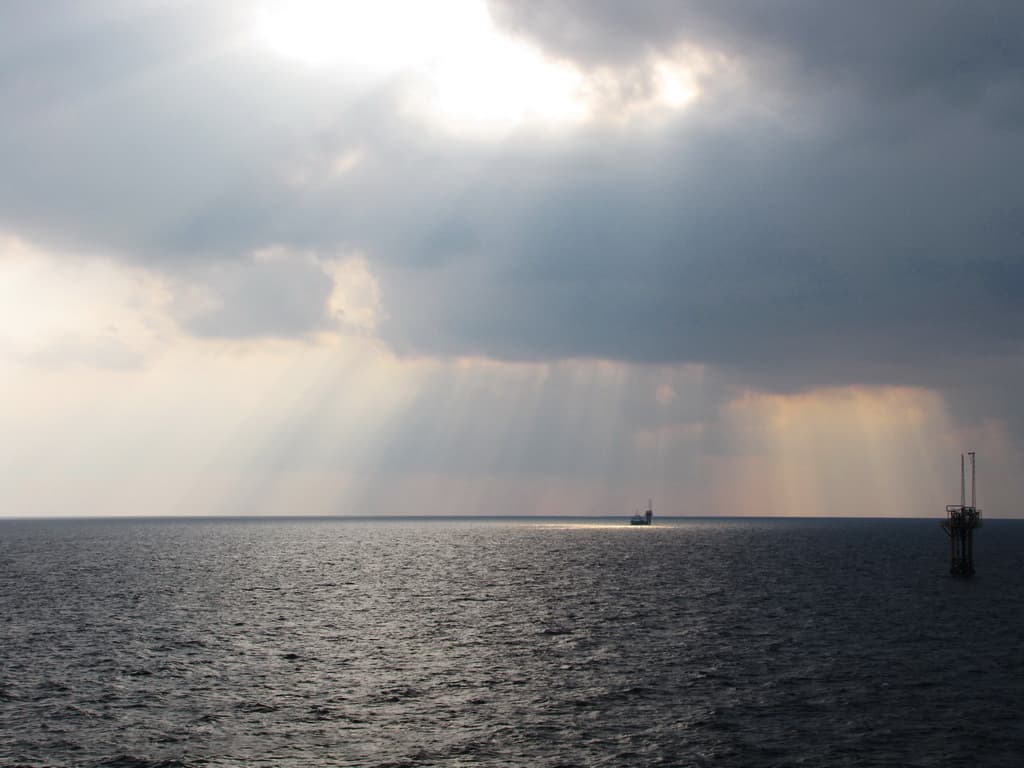
Tehran portrayed the talks as a broader diplomatic win. Iranian Foreign Minister Abbas Araghchi said they brought “major progress” and said Iran had secured waivers for oil and petrochemical exports, the lifting of the blockade on its ports, the release of some frozen assets and a reconstruction and development plan. He said the new deconfliction mechanism in Lebanon would be the “first real test” of the agreement, a warning that the diplomacy will be judged not by statements of intent but by whether ships keep moving, cease-fires hold and the Lebanon front stops widening.
This article was produced by Prism’s automated news system from verified source data, official records, and press releases, then run through automated quality and moderation checks before publishing. The system is built and supervised by the people who set the standards it runs under. Read our full AI policy.
Know something we missed? Have a correction or additional information?
Submit a Tip